
Last updated November 2, 2026
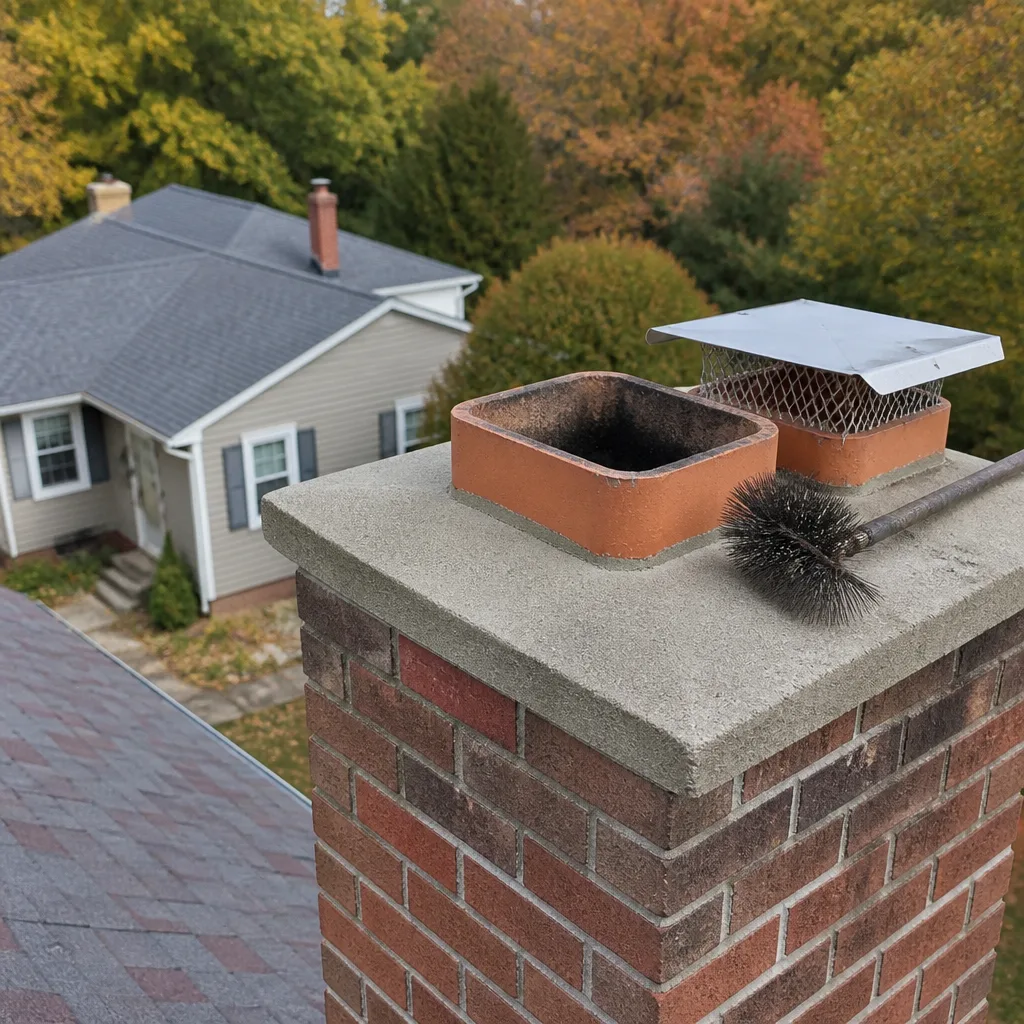 Sweep & inspection
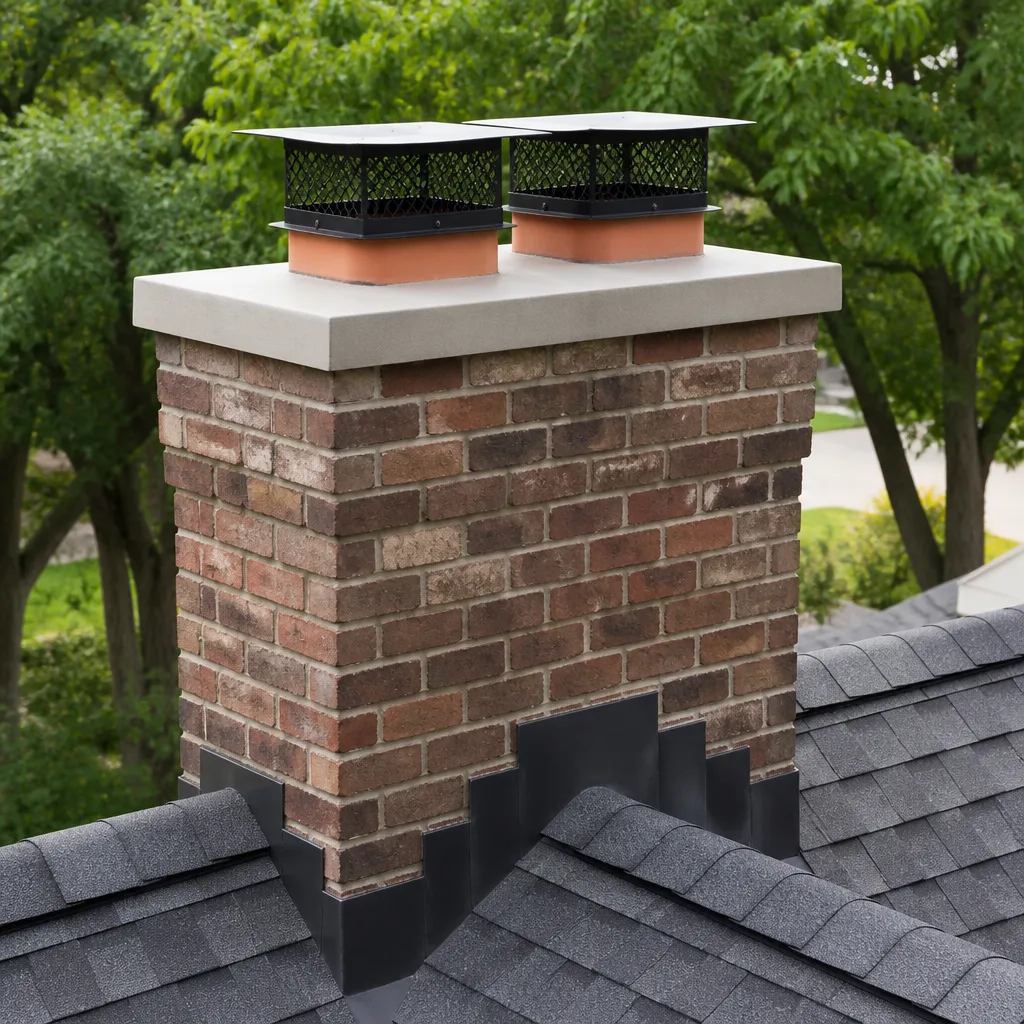 Caps & crowns
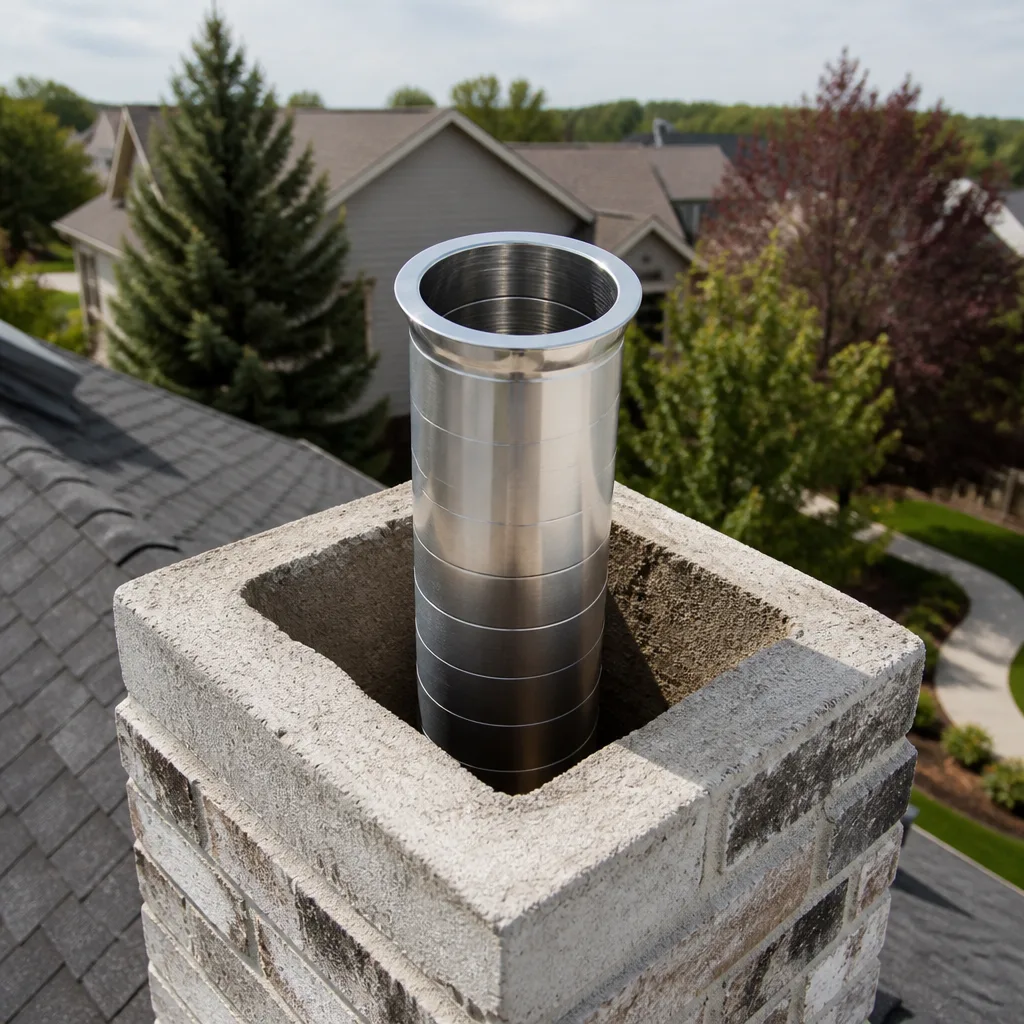 Flue relining
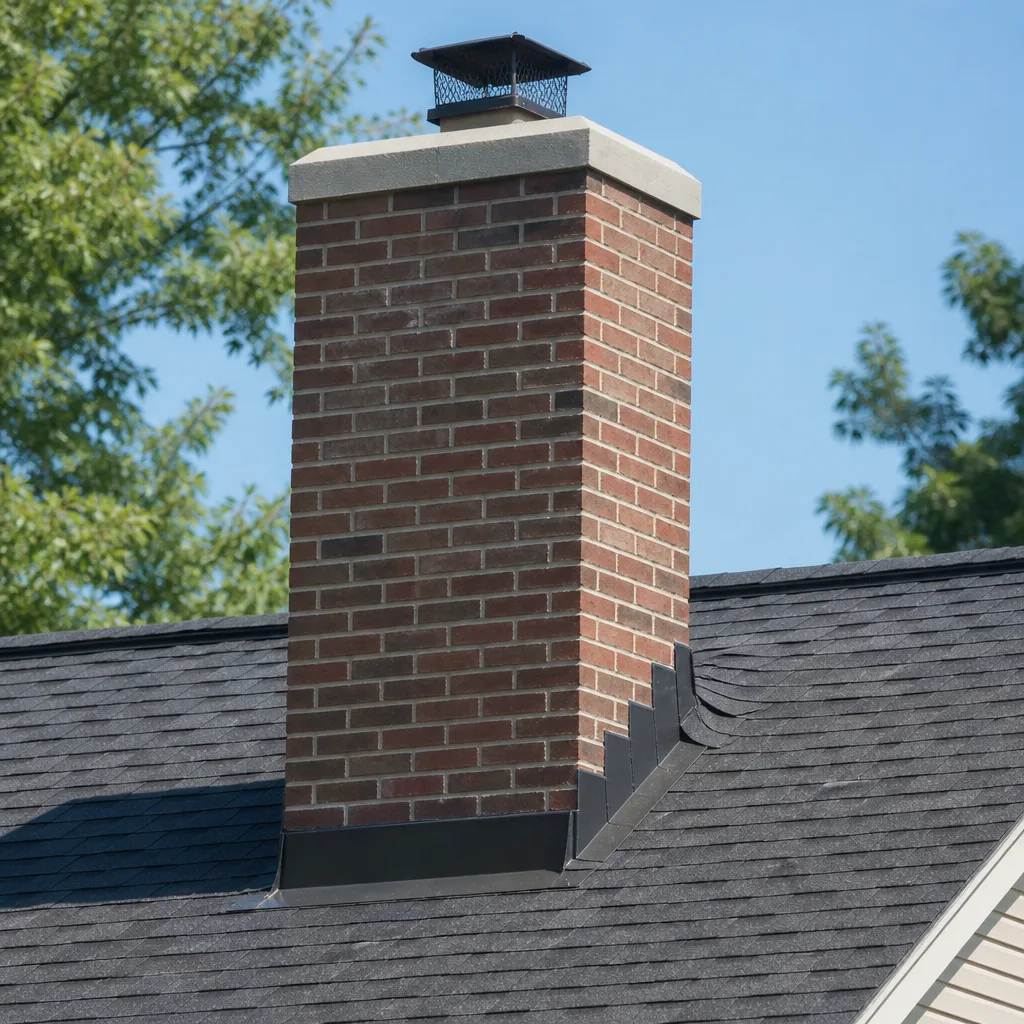 Masonry repair
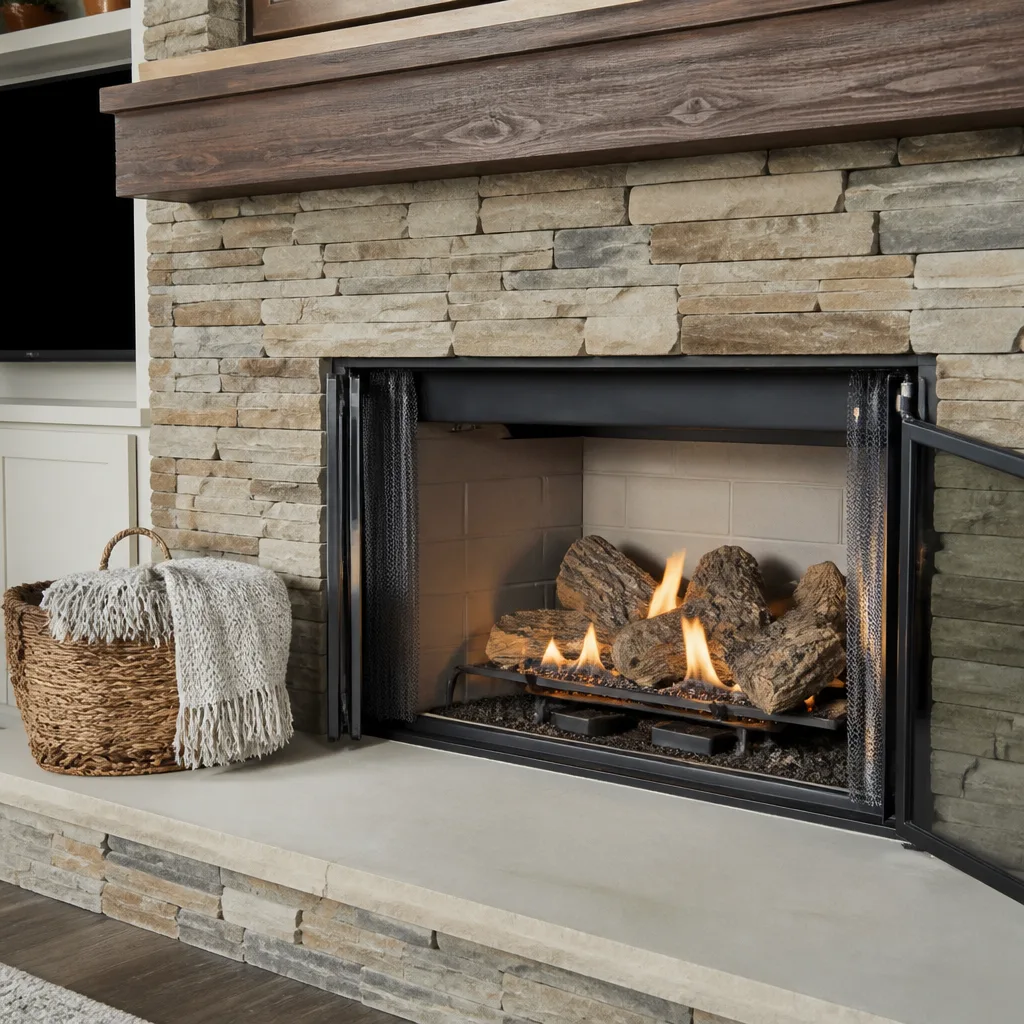 Gas fireplace service
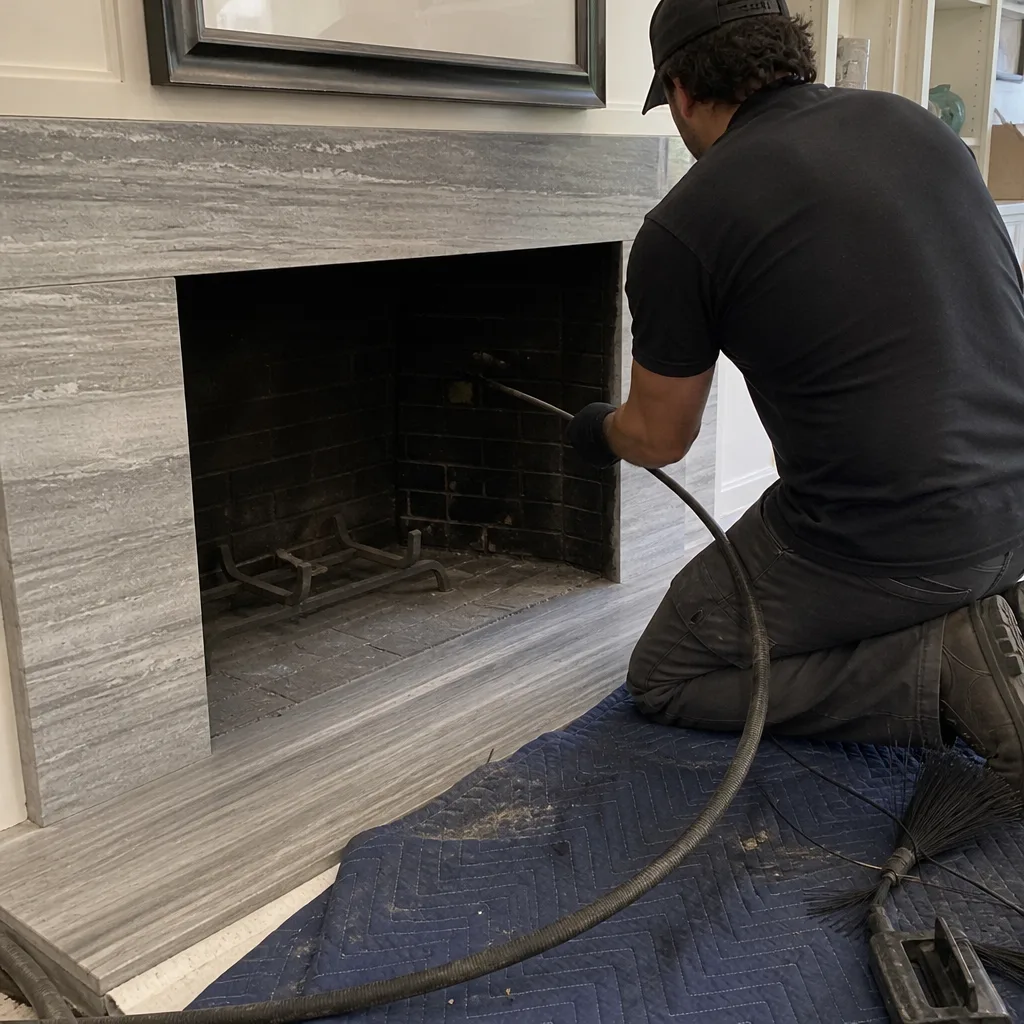
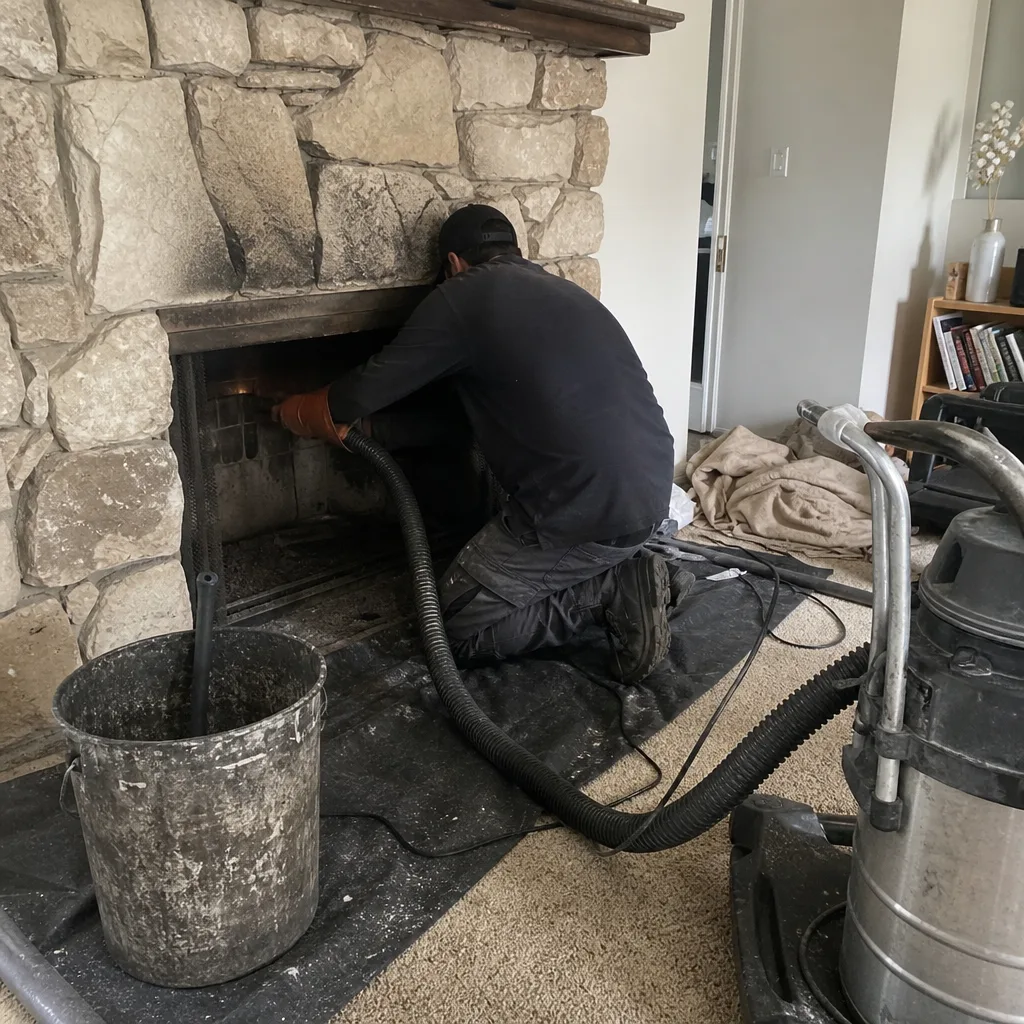
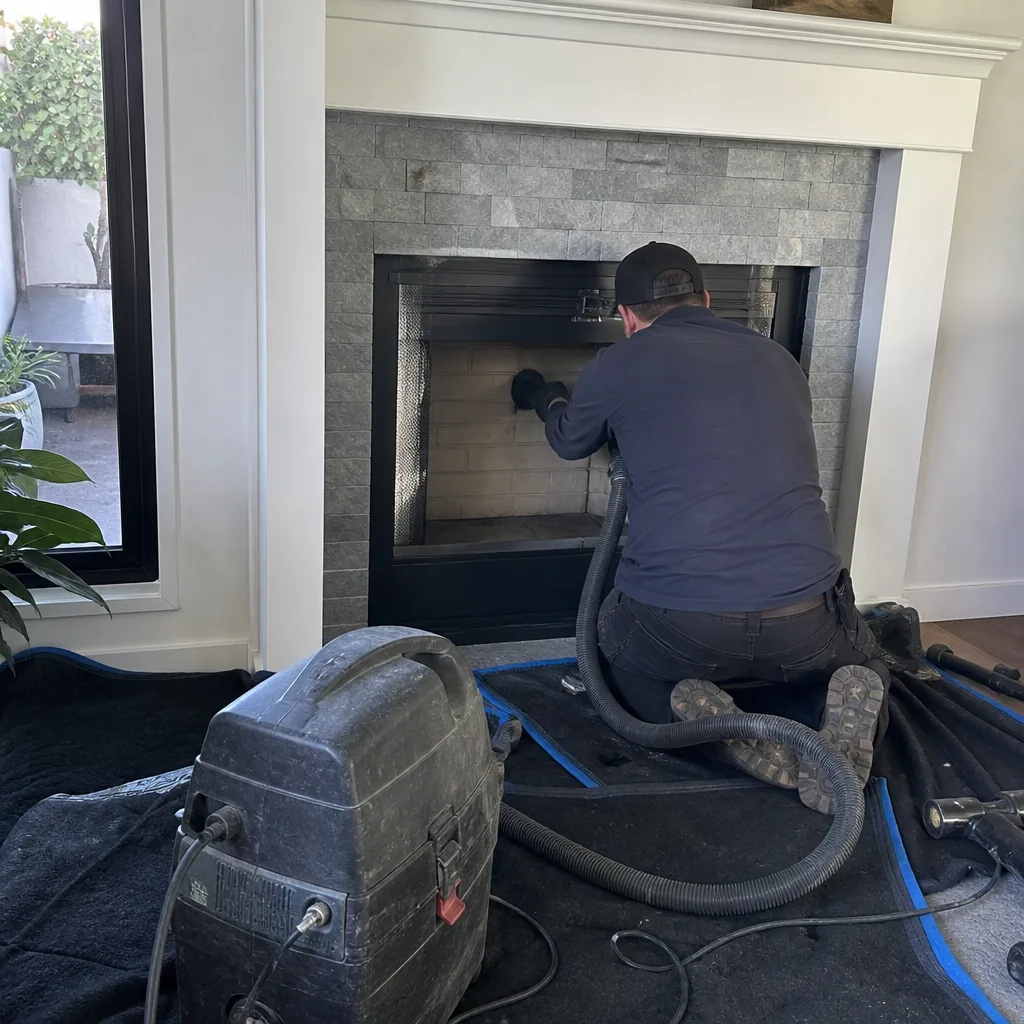
Level 1 sweep and inspection to the NFPA 211 annual standard - flue, crown, cap, and flashing checked and photographed
Chimney sweep logs do not sweep chimneys. They loosen some creosote - which then falls where a brush and vacuum still have to collect it.
Seasonal Chimney Cleaning Care for Encinitas: Year-Round Homeowner’s Guide
The advice to clean your chimney in early fall before fireplace season assumes you live somewhere with a real winter. In Encinitas, the calendar tells a different story. Santa Ana wind events in October and November create the highest fire risk of the year, and that’s exactly when most homeowners haven’t yet scheduled their cleaning. Coastal fog, salt air, and a winter rain window that runs from December through March all shape a maintenance rhythm that looks nothing like the generic fall-cleaning checklist. This guide maps chimney care to what actually happens in Encinitas, season by season, so you know what to check, when to act, and what can safely wait. For Chimney Cleaning Cost Breakdown: The Encinitas Homeowner’s Reference for 2026, see our detailed pricing guide.
Styles & brands we work with
- Sweep & inspection
- Caps & crowns
- Flue relining
- Masonry repair
- Gas fireplace service
Quick Answer
Chimney care in Encinitas follows a two-phase pattern: the dry Santa Ana season from October through November demands a clean, inspected flue before any fire is lit, and the rainy season from December through March requires attention to moisture intrusion through caps, crowns, and masonry. Summer is the underrated window for repairs and inspections when fireplaces sit idle. Schedule cleanings and inspections by late summer or very early fall, because Encinitas contractors book fastest in October.
Table of Contents
- The Encinitas Seasonal Reality Most Chimney Guides Miss
- Santa Ana Season: October and November Are the Real Fire Months
- Why Summer Is the Smartest Time for Inspection and Repair
- Rainy Season: December Through March and the Moisture Problem
- Spring Tasks for Coastal Homes: Salt, Screens, and Smoke Chambers
- Coastal Fog, Dew Cycles, and What a Damp Chimney Feels Like in October
- Scheduling in Encinitas: Why October Books Fast and What Waiting Costs
- The Overlooked Second Vent: Your Dryer Vent Follows the Same Seasons
- Common Mistakes to Avoid
- When to Call a Professional
- Frequently Asked Questions
- The Bottom Line
The Encinitas Seasonal Reality Most Chimney Guides Miss
Most chimney maintenance content is written for four-season climates where snow, freezing temperatures, and a hard winter dominate the calendar. Encinitas doesn’t work that way. Our climate splits into two distinct risk windows that have little to do with cold weather. The first is the dry, wind-driven Santa Ana period from October into November, when a chimney that hasn’t been cleaned becomes a genuine fire hazard. The second is the winter rain window from December through March, when moisture finds its way into cracked crowns, failed flashing, and uncapped flues. Between these two windows sits a long, mild summer that most homeowners ignore. That’s a mistake, because summer is precisely when inspection, repair, and cap work should happen. Waiting until October means competing for contractor time during the most dangerous season of the year. If you live in Encinitas, the goal isn’t just a clean chimney. It’s a chimney that’s been inspected, repaired where needed, and prepared for the specific weather patterns this coastal stretch of San Diego County throws at it. That’s the difference between a service that makes your flue tidy and one that makes your home safe. A clean chimney and a repaired one aren’t the same thing, and in Encinitas, both matter.
Santa Ana Season: October and November Are the Real Fire Months
October is the most dangerous month for chimney fires in coastal San Diego, and it has almost nothing to do with how often you use your fireplace. Santa Ana winds arrive dry and gusty, pulling moisture out of the air and out of everything else. Creosote deposits that sat dormant all summer become brittle and combustible in these conditions. When you light that first fire of the season, a flue lined with anything more than a thin glaze of creosote is a legitimate ignition risk. Encinitas sees this pattern every autumn: a run of 80-degree days, single-digit humidity, and offshore winds that make vegetation crackle and chimneys tinder-dry. It’s the worst possible moment to discover your flue hasn’t been cleaned in two years.
What to Do Before the First Fire in Encinitas
- Schedule an inspection before lighting anything. A professional chimney sweep in Encinitas can tell you in under an hour whether your flue is safe to use. If you haven’t had one in 12 months, don’t burn.
- Ask for a camera inspection if it’s been more than two seasons. Surface-level sweeping misses cracked flue tiles and hidden creosote buildup in the smoke chamber. A camera sees what a brush can’t.
- Clear the firebox and check the damper before the first burn. Make sure the damper opens fully and seats back properly. A stuck damper is a smoke risk and a heat loss point.
- Check the cap and screen. If your cap is missing or the screen is torn, you’ve had birds or rodents nesting in the flue all summer. Blocked flues cause smoke spillage and can seed a chimney fire.
We’ve seen Encinitas homes light their first fire in late October with a flue half-blocked by a bird’s nest built in August. It doesn’t catch fire. It smokes into the living room and leaves a mess, or it smolders in the flue and bakes creosote into a hardened glaze that’s harder to remove later. The fix is simple: check before you burn. Fire safety starts with what’s inside the flue, not just what you can see.
Why Summer Is the Smartest Time for Inspection and Repair
Summer in Encinitas is when nobody thinks about the fireplace, and that’s exactly why it’s the right time to work on it. The fireplace sits unused from roughly April through September, which means a technician has full access to the flue, the crown, the cap, and the masonry without disrupting your comfort or your schedule. Repairs that need a day of cure time, like crown sealing or mortar work, can happen without you missing a single fire. That changes the economics of the whole job.
There’s another reason summer wins: condensation and trapped moisture from the previous winter have had months to reveal themselves as efflorescence, spalling brick, or rust on the damper assembly. By June, damage from the December-through-March rain window is visible if you know where to look. A June inspection catches it with months to spare before the next fire season. By October, contractors are booked solid, and scheduling a repair in November means you’re lighting fires with a compromised chimney or going without heat on the rare genuinely cold Encinitas evening.
Summer Checklist for Encinitas Homeowners
- Schedule the annual sweep in June, July, or August. Availability is open, pricing is steady, and the chimney is available for full inspection without any scheduling pressure.
- Book any cap, crown, or flashing repairs before September. The rainy season returns in December. Work done in summer means a sealed system before the first storm.
- If you have a gas fireplace, summer is the time for a gas log and burner check. Soot accumulation on gas logs happens slowly but steadily. Clean burners run more efficiently and vent better.
- Take advantage of the idle system to think about upgrades. If a previous inspection flagged a deteriorating liner, summer is when resurfacing work with HeatShield or a DuraFlex liner install can happen without pressure.
One call covers your chimney and your dryer vent, and summer is the right season to handle both. While the fireplace is cold, the dryer vent is usually working as hard as ever, and a blocked dryer vent in coastal Encinitas is a fire hazard that doesn’t care what season it is.
Rainy Season: December Through March and the Moisture Problem
Encinitas gets most of its annual rain between December and March, and while the totals may not impress someone from the Pacific Northwest, the effect on chimneys is outsized. Our rain tends to arrive in bursts: a few inches over a couple of days, then weeks of dry weather. That cycle of soak and dry is hard on masonry. Water enters tiny cracks in the crown or through failed flashing, and then the crack expands as the material cycles through wet and dry states. Coastal salt doesn’t help. Airborne salt from the Pacific settles on chimney surfaces, accelerates corrosion on metal components, and works its way into porous brick and mortar. What starts as a hairline crack in October becomes a visible leak by February.
What to Watch for During Rainy Season
- Water in the firebox after a heavy rain. This is the clearest sign of cap or crown failure. Water should never reach the firebox, period.
- Damp smell from the fireplace on humid or rainy days. That’s usually moisture trapped in the flue or smoke chamber. It means water is getting in somewhere and sitting.
- Efflorescence on the exterior chimney brick. That white powdery residue is dissolved salt and minerals left behind when water evaporates. It tells you exactly where moisture is traveling through the masonry.
- Spalling brick or flaking mortar. This is advanced moisture damage. The faces of bricks break off in thin layers when water inside them expands and contracts. On a coastal Encinitas chimney, salt accelerates the process.
- Rust on the damper or firebox grate. Metal components deteriorate quickly in a humid coastal environment. Rust is a moisture intrusion symptom and a sign that other parts may be degrading where you can’t see them.
If any of these show up, the answer isn’t to wait until summer. A small crack in the crown becomes a bigger one after another season of rain. Damaged mortar lets water into the flue chase where it can degrade the liner. The right move is a chimney repair in Encinitas visit that identifies moisture entry points and seals them before the next storm. In our experience, most rainy-season chimney problems in Encinitas trace back to two sources: a failed or missing cap, or crown damage that’s been quietly worsening for years. Both are fixable, and both are far cheaper to address before they compromise the flue liner.
Spring Tasks for Coastal Homes: Salt, Screens, and Smoke Chambers
Spring is the accounting season for your chimney. The rain has stopped, the Santa Ana winds are months away, and what’s left behind tells you how the system survived winter. In Encinitas, that accounting looks different than inland. Coastal humidity and salt spray leave a signature, and it shows up in three places: the cap screen, the exterior masonry, and the smoke chamber.
1. Check the Cap Screen for Corrosion and Debris
Chimney caps in Encinitas take a beating. Salt air corrodes galvanized steel quickly, and once the screen develops holes, birds and rodents have a way in. A corroded screen also lets live embers escape, which is a fire risk during Santa Ana season. If your screen is rusty or torn, replace it. This is one of the simplest and most effective things you can do for your chimney, and professional-grade components from Olympia Chimney hold up far better in coastal conditions than generic hardware store caps.
2. Inspect the Exterior Masonry for Salt-Driven Wear
Salt doesn’t just sit on the surface. It’s hygroscopic, which means it pulls moisture from the air and holds it against the brick and mortar. Over time, that continuous moisture cycling causes mortar deterioration faster than you’d see inland. Walk around the chimney and look for crumbling mortar joints, loose bricks, or surfaces that feel sandy when you touch them. If the mortar is receding, this is the time for repointing, before the next winter rain cycle makes it worse.
3. Have the Smoke Chamber Checked After Winter Rains
The smoke chamber sits between the firebox and the flue, and it’s the most overlooked part of most chimneys. In coastal Encinitas homes that saw rain and then cool, foggy nights, condensation can settle in the smoke chamber and soak into the porous brick. This is where creosote hides, where moisture collects, and where many fireplace odors originate. A spring inspection that includes a look at the smoke chamber catches problems before they become chimney fires or persistent smells in the fall. HeatShield resurfacing can restore a damaged smoke chamber without full reconstruction, which is worth knowing if your inspection uncovers deteriorating brick there.
Coastal Fog, Dew Cycles, and What a Damp Chimney Feels Like in October
Encinitas sits close enough to the Pacific that our nights and mornings are defined by marine layer fog and heavy dew from late spring through early fall. That moisture gets inside chimneys. Here’s what happens: a flue that’s been cold all night fills with damp, dense air. When you light a fire in October after a foggy night, the cold, moist column of air inside the flue resists the warm air rising from the firebox. The draft stalls. Smoke spills into the room. The fire struggles. It feels like something is wrong, and sometimes it’s just physics.
What Encinitas Homeowners Report When the System Is Damp
- A smoky start that clears after ten or fifteen minutes. Once the flue warms enough to reverse the draft, smoke starts moving upward. This is normal in coastal conditions but can be minimized.
- A persistent damp, musty smell from the fireplace when it’s not in use. That’s trapped moisture in the flue and smoke chamber interacting with creosote. It’s also a sign that air isn’t moving through the flue during the summer months.
- Difficulty getting a fire to light or stay lit on high-humidity evenings. Wood that seems dry but won’t catch often means the firebox is pulling in damp air. The chimney is doing its job; the humidity is the issue.
- Condensation visible on the damper or firebox walls. This is an unmistakable sign of a moisture-saturated chimney. Once the fire gets going, the moisture evaporates into steam, which carries creosote odors into the room.
What Actually Helps
- Pre-heat the flue before lighting the main fire. Hold a lit roll of newspaper up near the open damper for 30 to 60 seconds. The warm air starts the draft and pushes the cold, damp air up and out.
- Open a window slightly near the fireplace. Coastal homes are often tightly sealed. A tiny air source gives the fire what it needs to draw without pulling from bathroom vents or competing with exhaust fans.
- Store firewood appropriately. Even “seasoned” wood absorbs moisture from coastal fog if it’s stacked outside uncovered. Keep firewood under cover with airflow, and bring only what you’ll burn inside a day ahead.
- If the symptoms persist after 20 minutes of burning, it’s not just humidity. There’s likely a partial blockage or drafting problem that a chimney sweep in Encinitas should evaluate.
The damp air pattern also creates a specific creosote profile. When fires are burned in a flue that cycles between damp and hot, creosote forms in a sticky, tar-like stage that’s harder to remove and more combustible than dry, flaky creosote. Coastal Encinitas homeowners who burn infrequently and experience foggy conditions should be especially diligent about annual cleanings. The material that builds up in this climate is exactly the kind that ignites during Santa Ana season.
Scheduling in Encinitas: Why October Books Fast and What Waiting Costs
Every chimney professional in coastal San Diego watches the same pattern. The phones start ringing in late September, spike through October and November, and every available appointment fills by the second week of October. By the time the first Santa Ana event rolls through, the companies that do quality work are booked solid. Homeowners who wait until the first cold evening to call are usually looking at a two-to-three-week wait, which means several weeks of fireplace season gone, or worse, someone burning anyway with an uncleaned flue because they don’t want to wait.
The cost difference is real too. Some companies run fall surcharges because demand peaks so aggressively. But the bigger cost is the risk. If you light that first fire in mid-October with a flue that hasn’t been swept since the previous year, you’re not just burning wood. You’re burning off whatever accumulated during the fog and damp of the past nine months, and you’re doing it during the highest fire-risk conditions of the year.
What It Costs to Wait in Encinitas
- Appointment scarcity: By the second week of October, most quality chimney companies in Encinitas are booking two to three weeks out. The first rainy and wind-driven days of fall arrive before your appointment does.
- Pressure pricing: Peak-season demand can mean higher rates and fewer options for discounted package services. Off-season, companies are more willing to schedule comprehensive inspections and bundle dryer vent work.
- Missed repair windows: If your summer inspection would have caught a cracked crown or failing cap, waiting until fall means that repair happens during peak season, or worse, after rain has already entered the system.
- Burning with an unknown flue: The most expensive version of waiting is lighting a fire in October in a chimney you haven’t inspected. The cost of a chimney fire dwarfs the cost of a sweep.
The best scheduling strategy for Encinitas: book in August. You get your choice of times, you’re ahead of the rush, and any repairs found during the sweep can be completed before fire season begins. If August has passed, call anyway. A chimney cleaning in Encinitas scheduled in late September is still months better than one scheduled in November. The earlier you call, the more control you have over the process.
The Overlooked Second Vent: Your Dryer Vent Follows the Same Seasons
Most Encinitas homeowners think of the chimney and the dryer vent as unrelated systems. In a coastal climate, they’re not. Both vent from inside your home to the outside, both accumulate lint or creosote, and both become fire hazards when they’re ignored. The same seasonal logic that applies to your chimney applies to your dryer vent, with a twist: your dryer runs year-round, which means lint builds continuously, not just during fireplace season.
Salt air and humidity also affect dryer vents in Encinitas. The vent hood on the exterior of your home faces direct coastal conditions, and corrugated or damaged hoods degrade faster here. Lint that backs up behind a corroded hood or a disconnected duct becomes a fire hazard year-round, and in Santa Ana conditions, it’s just as dangerous as a creosote-filled chimney. We’ve seen lint accumulation in Encinitas dryer vents that reduced airflow to a fraction of what it should be, causing the dryer to work harder, run longer, and overheat. The fix is straightforward: clean the vent and, where the ductwork is worn, replace it with proper components. We use Famco and Gelco venting components for dryer and exhaust work because they fit correctly, code-compliantly, and hold up in this coastal environment. One call covers your chimney and your dryer vent, and the smartest homeowners in Encinitas handle both on the same visit. If you’re already scheduling a chimney inspection, add a dryer vent cleaning in Encinitas to the same appointment and let the technician evaluate both fire risks at once.
Common Mistakes to Avoid
- Burning the first fire of the season before scheduling an inspection. In Encinitas’s Santa Ana window, this is the single most dangerous thing you can do. You’re lighting an unknown flue in the driest, windiest conditions of the year.
- Assuming a gas fireplace doesn’t need annual attention. Gas logs still produce soot, and gas fireplaces still have caps, screens, and dampers that degrade in salt air. Gas or wood, the chimney needs an annual look at the coast.
- Ignoring a damp smell because it only shows up on humid days. That smell is trapped moisture interacting with soot and creosote. It means water is entering the system somewhere, and in coastal Encinitas, it won’t resolve on its own.
- Using generic hardware store chimney caps. Coastal conditions destroy them in a season or two. Professional-grade components built for marine environments last dramatically longer and protect the entire system better.
- Waiting until the first fire to discover your cap screen is compromised. Birds nest in chimneys during spring and summer. By October, that nest is dry tinder in a flue you’re about to light.
- Assuming a clean chimney is the same as a safe one. A sweep shows you the creosote is gone. It doesn’t show you a cracked flue tile or missing mortar in the smoke chamber without a camera inspection. Ask for one when it’s been more than a year or two.
- Forgetting the dryer vent exists. In Encinitas, the dryer vent is the chimney’s overlooked sibling. It runs year-round, collects lint continuously, and can start a fire in any season. Clean it at least annually, and more often for large households.
When to Call a Professional
Some chimney work is observational. You can check for a missing cap, look for water in the firebox, and watch for smoke spillage. But the inside of a flue is invisible to a homeowner, and that’s where the decisions that matter get made. Call a professional when it’s been more than 12 months since your last sweep, when you see water or dampness inside the system, when smoke enters the room on startup, when you smell persistent musty odors from the fireplace, or when your dryer is taking longer than normal to dry a load. These are all signals that something inside the venting system has changed. A trained technician can inspect, clean, and fix in one visit, so you’re not scheduling a second contractor. See Chimney Cleaning Permits, Codes & Inspections in CA: What You Need to Know for regulatory requirements. Chimney Cleaning Encinitas offers free estimates in Encinitas. Call (866) 282-6347 and describe what you’re seeing. We’ll tell you what’s likely going on and what it takes to address it.
Frequently Asked Questions
Once a year is the right interval for most Encinitas homes that burn wood regularly during the fall and winter. Coastal humidity affects creosote formation and makes annual cleaning more important here than in dryer inland climates.
Summer is the best time. The fireplace is idle, contractors have open schedules, and any repairs found during the sweep can be completed before Santa Ana season and the winter rains arrive. August is the sweet spot.
Yes. A cap keeps rain, birds, rodents, and debris out of the flue, and in coastal Encinitas, it also protects against salt-driven corrosion of the flue’s interior. A missing or damaged cap is one of the most common causes of moisture intrusion and blocked flues in this area.
Gas fireplaces don’t produce creosote, but they still need annual inspection. Soot accumulation, cap and screen deterioration, and moisture damage from coastal conditions affect gas chimneys just as much as wood-burning ones. The venting system itself requires the same seasonal attention.
A standard chimney sweep in Encinitas typically runs between $180 and $340 depending on the system type, accessibility, and whether a camera inspection is included. The most accurate way to get a price is to call (866) 282-6347 for a free estimate. We’ll ask about your fireplace type, when it was last cleaned, and what you’ve been noticing, and give you a specific number before any work begins.
Skipping a year in this climate means creosote and moisture accumulate through the fog season and sit in the flue over the summer. By the next fall, the first fire of the season is burning in a system that may have a dangerous buildup plus whatever birds or debris found their way in. The risk of chimney fire rises meaningfully, and the cost of remediation is higher than a routine sweep. Call (866) 282-6347 if you’ve skipped a year or can’t remember the last cleaning.
The Bottom Line
Chimney care in Encinitas doesn’t follow the generic fall-cleaning calendar. Our real fire season is the Santa Ana window from October through November, our real damage season is the winter rain cycle from December through March, and our best preparation window is the long, ignored summer. The homeowners who get this right schedule inspections in late summer, burn only with a confirmed clean flue, watch for moisture symptoms during the rainy months, and handle the dryer vent with the same care as the chimney. The homeowners who wait until October pay more, wait longer, and burn in the most dangerous conditions of the year. The fix is simple and the sequence is the same every year: inspect in summer, clean before the first fire, watch through the rains, and start again. Browse more guides & resources for year-round chimney care. Fire safety starts with what’s inside the flue, not just what you can see.
Written by the team at Chimney Cleaning Encinitas, serving Encinitas since 2012.
See the difference
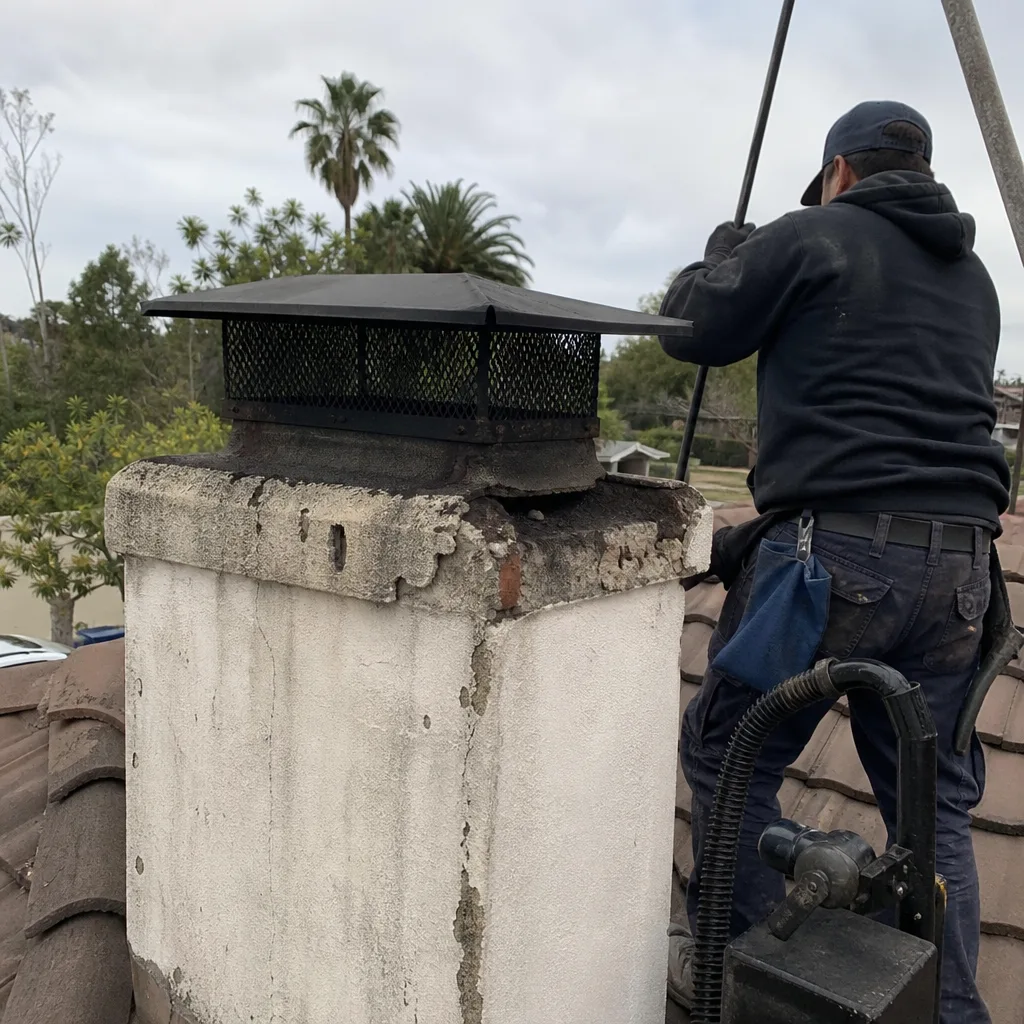 Before
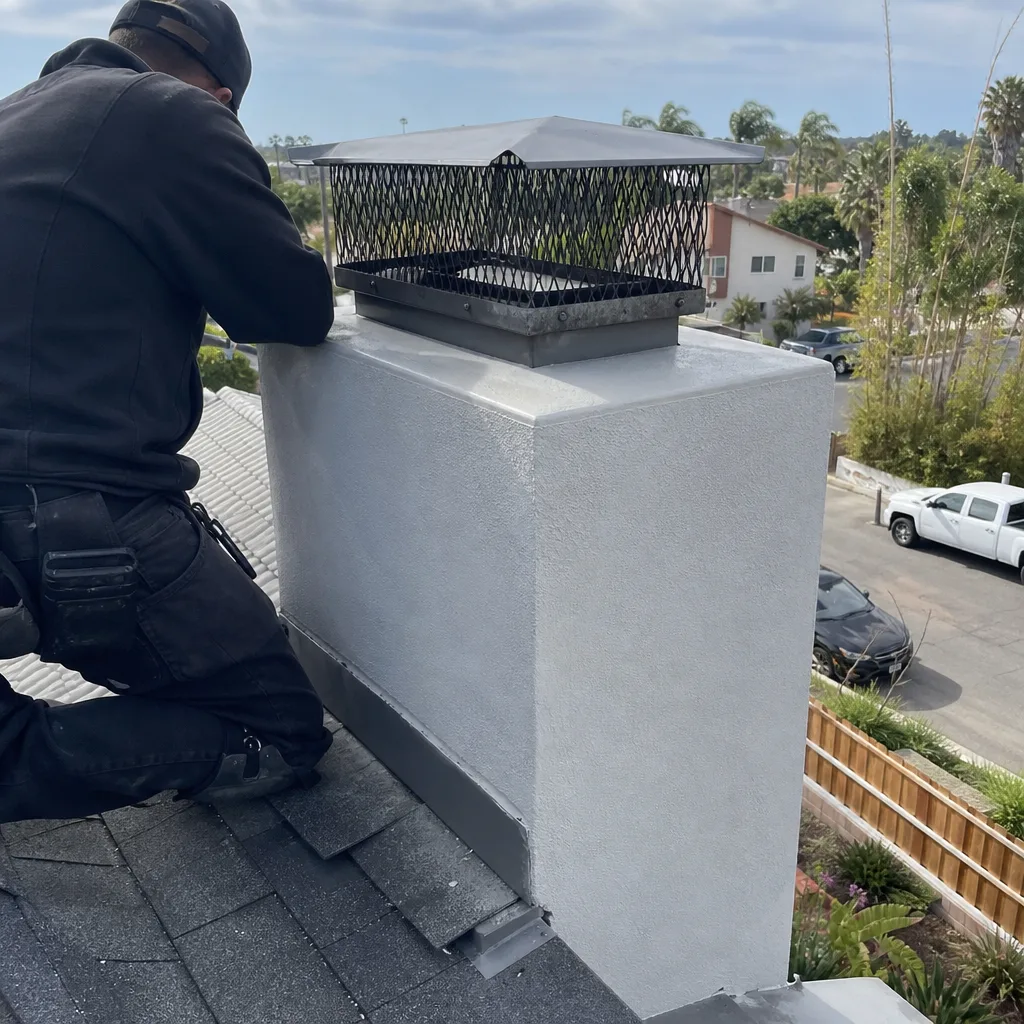 After
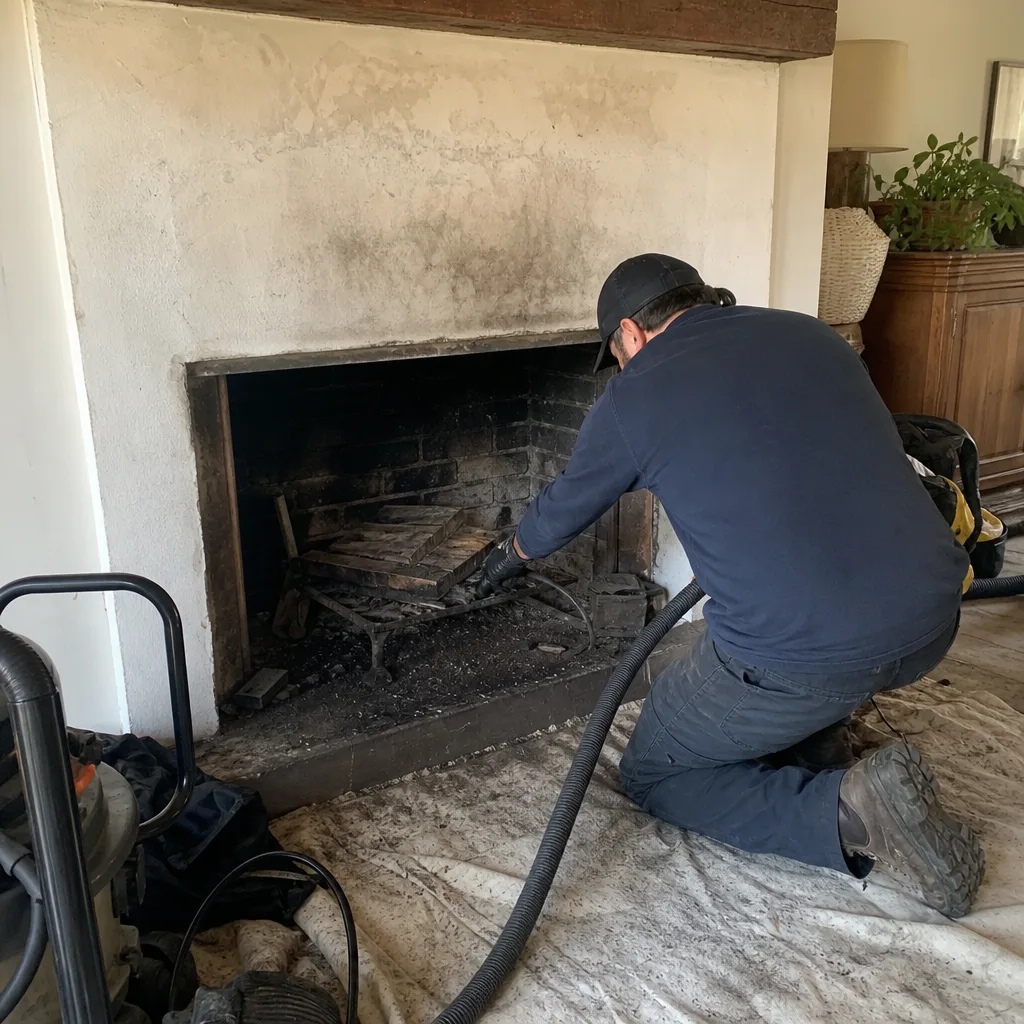 Before
 After
 Before
 After