
Last updated November 2, 2026
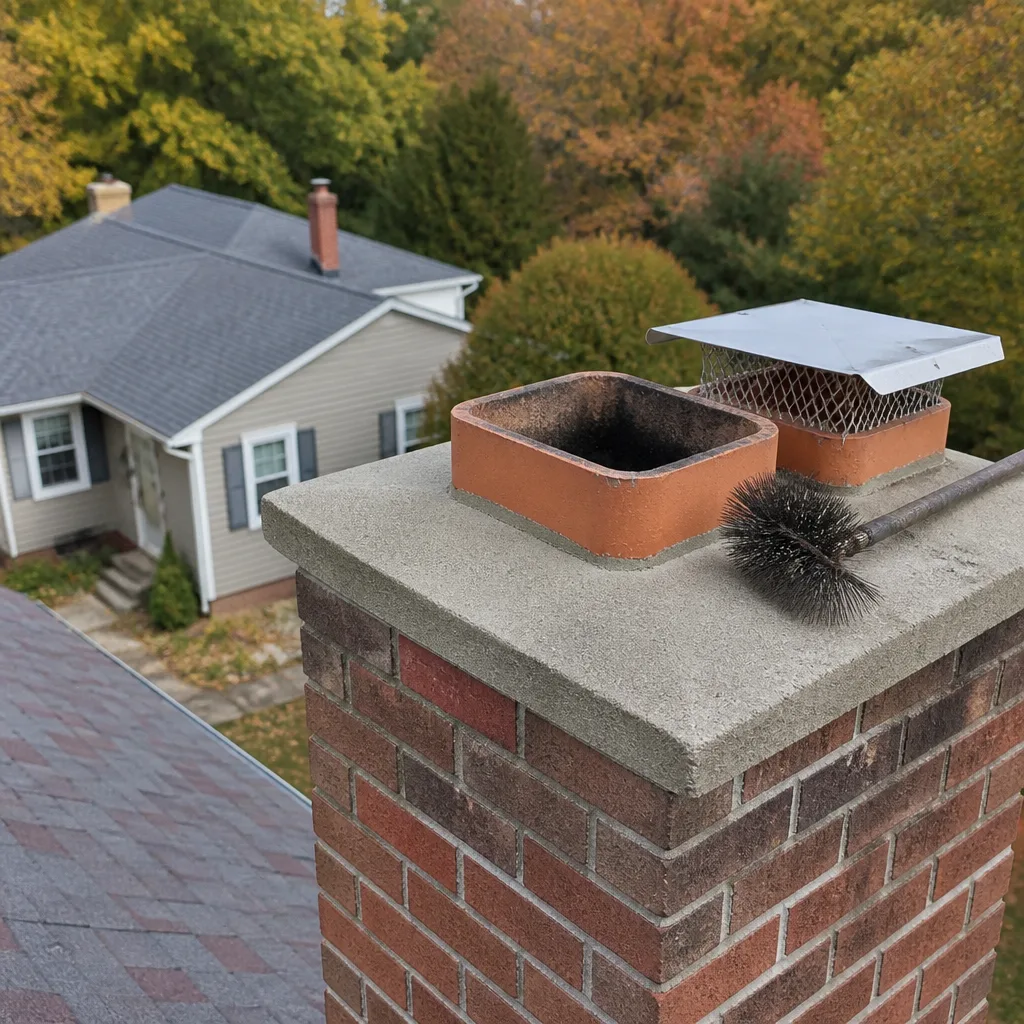 Sweep & inspection
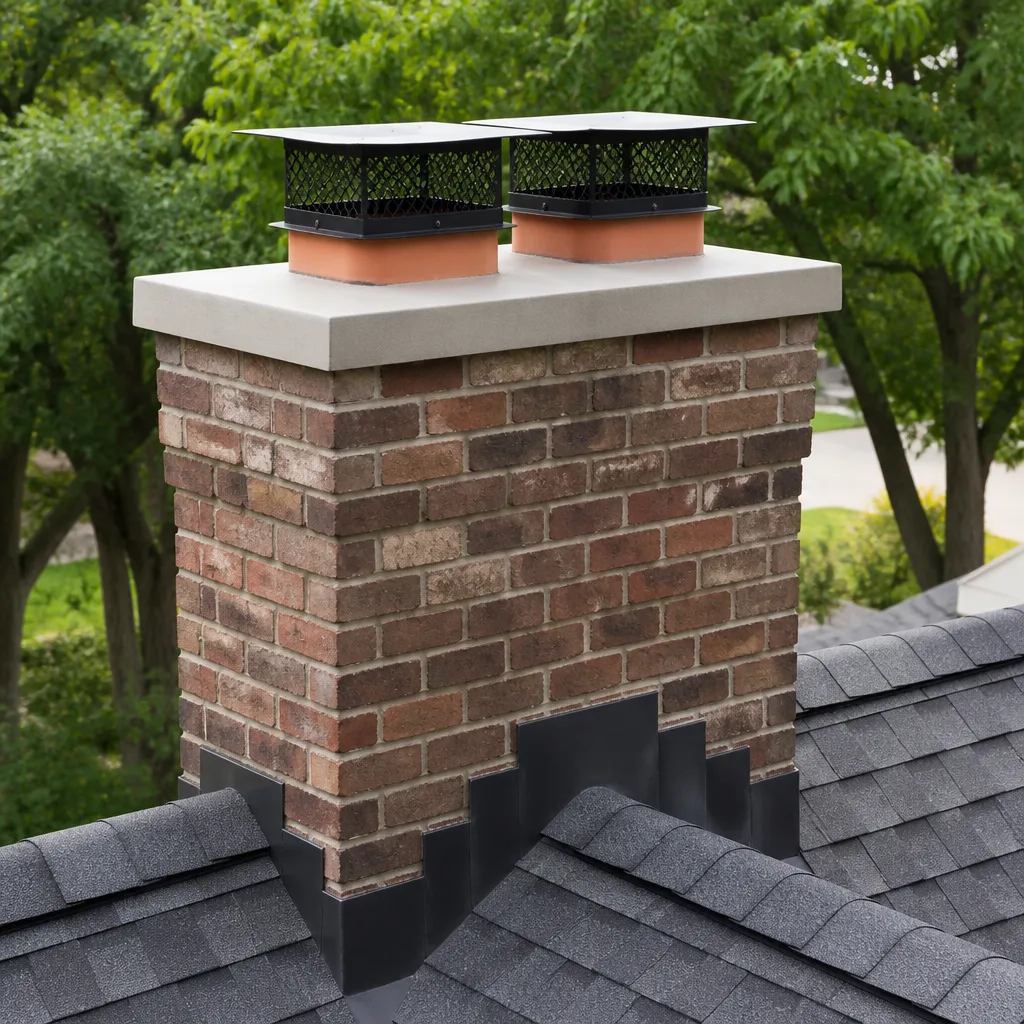 Caps & crowns
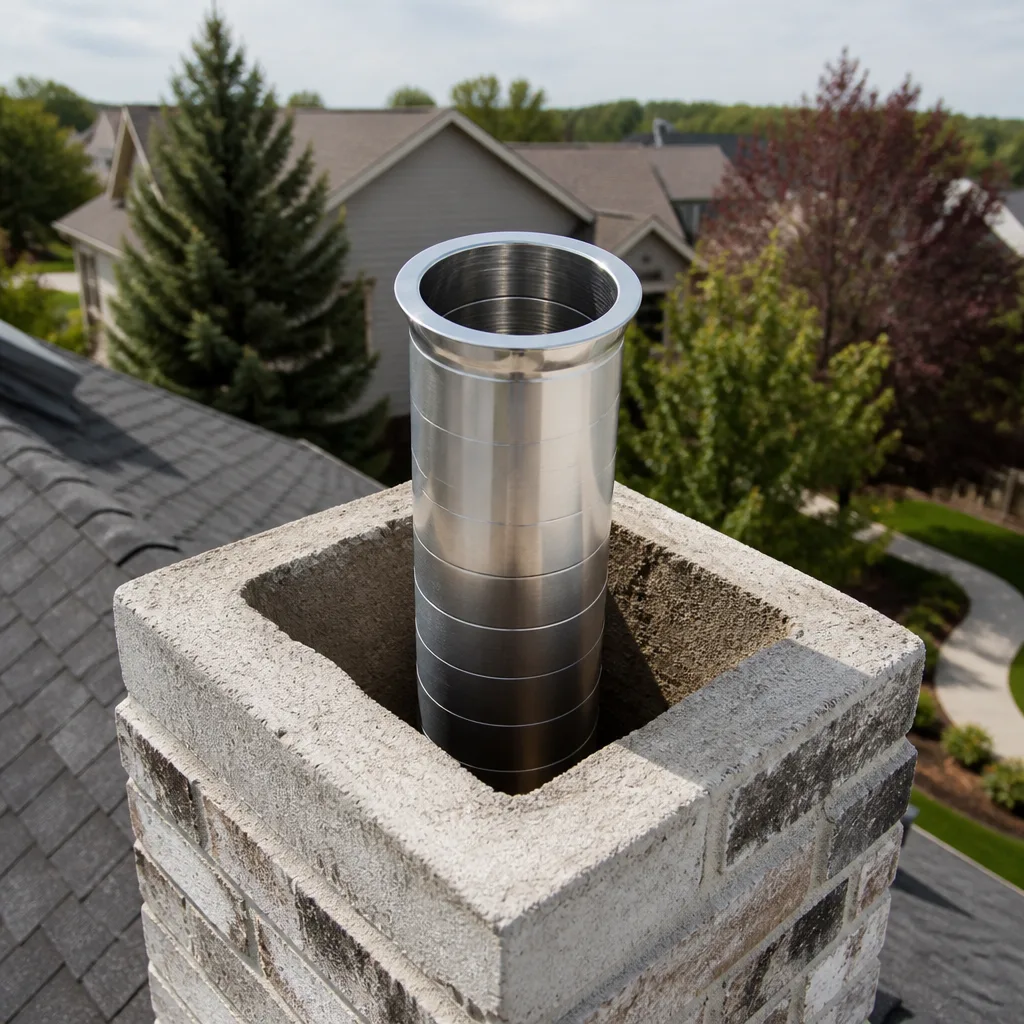 Flue relining
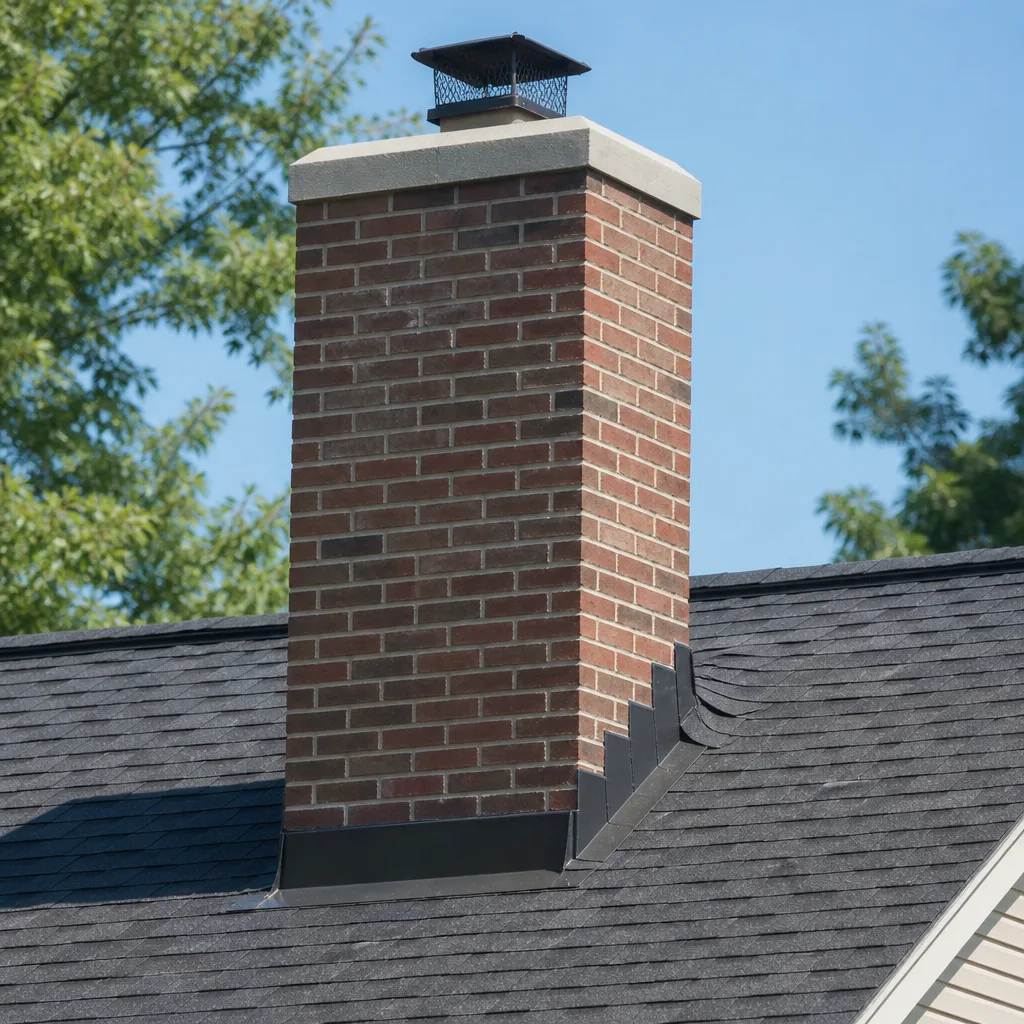 Masonry repair
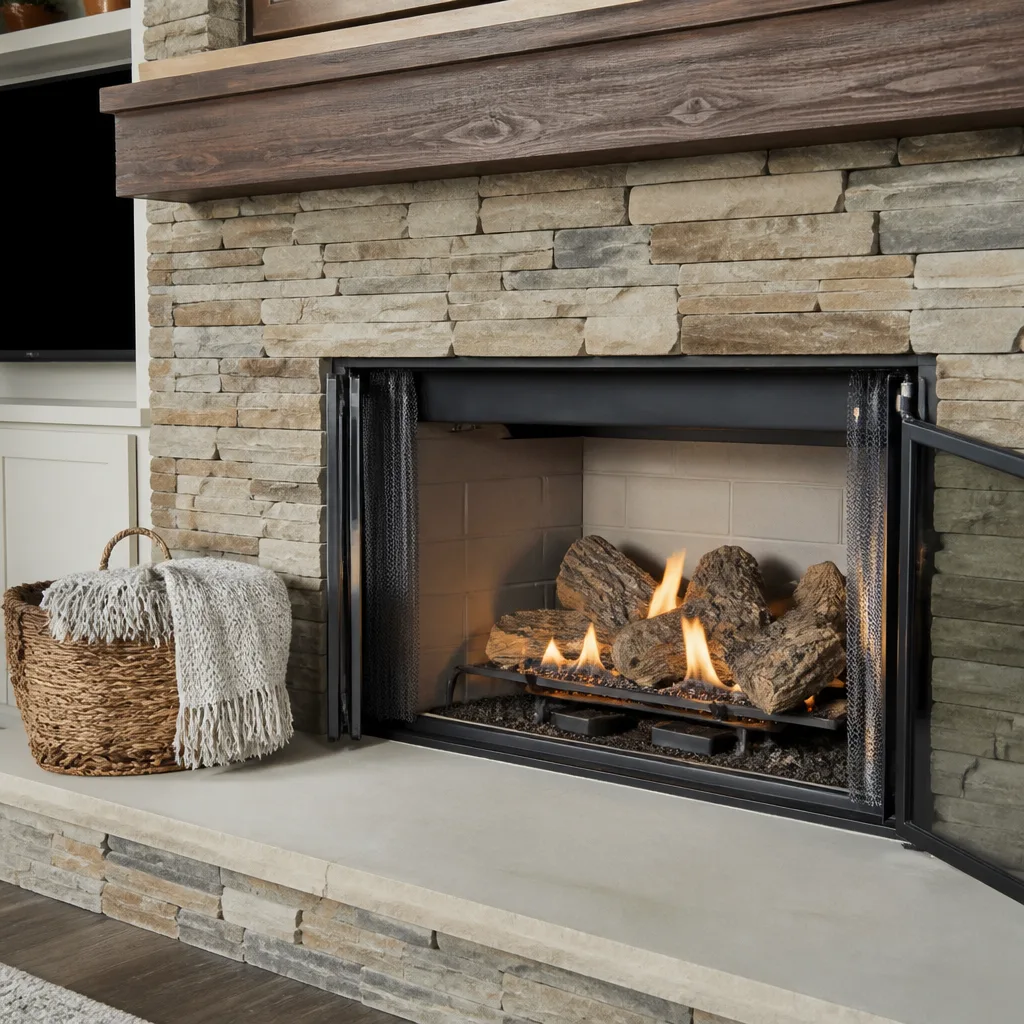 Gas fireplace service
Level 1 sweep and inspection to the NFPA 211 annual standard - flue, crown, cap, and flashing checked and photographed
Chimney sweep logs do not sweep chimneys. They loosen some creosote - which then falls where a brush and vacuum still have to collect it.
Chimney Cleaning Permits, Codes & Inspections in CA: What You Need to Know
A chimney sweep needs no permit to clean your flue. But if that sweep finds a cracked liner and replaces it without pulling a permit, you may be holding an unpermitted structural repair on a combustion appliance – a disclosure requirement that surfaces during every home sale in California. Most homeowners in Encinitas never learn where that line sits until a real estate agent, insurance adjuster, or fire marshal asks a question they can’t answer. This guide walks through exactly what requires a permit, what doesn’t, what your inspection report actually proves, and which codes govern the materials inside your chimney. For Chimney Cleaning Warning Signs: An Encinitas Homeowner’s Reference Guide, see our companion resource.
Styles & brands we work with
- Sweep & inspection
- Caps & crowns
- Flue relining
- Masonry repair
- Gas fireplace service
Quick Answer
Routine chimney sweeping and visual inspections do not require a permit anywhere in California. However, repairs that alter the flue system – liner replacement, firebox rebuilding, structural masonry work, or changing venting configuration – generally require a building permit under California Building Code (CBC) Title 24, and Encinitas enforces this through its Building Division. The permit trigger is repair or alteration, not cleaning.
Table of Contents
- Where the Permit Line Actually Sits: Cleaning vs. Repair
- California Building Code Title 24 and Your Chimney
- Level 2 Inspection Reports: Legal Document, Not an Opinion
- Liner System Codes: UL 1777, UL 103, and When Replacement Must Meet Current Code
- After a Chimney Fire: San Diego County Fire Marshal Requirements
- Why ‘It Passed Inspection’ From an Uncertified Sweep Carries No Legal Weight
- Encinitas-Specific Code and Climate Context
- Common Mistakes to Avoid
- When to Call a Professional
- Frequently Asked Questions
- The Bottom Line
Where the Permit Line Actually Sits: Cleaning vs. Repair
California Building Code draws a clear distinction between maintenance and alteration, and that distinction governs whether you need a permit for chimney work. Cleaning – even aggressive rotary cleaning that removes creosote buildup – is maintenance. So is a visual inspection, a smoke test, or a camera scan of the flue interior. None of these change the structure or function of the chimney. They don’t require a permit, and no California jurisdiction requires a license specifically to perform a sweep (though a contractor’s license is required for most repair work).
Repair and alteration are different. When a technician replaces a clay tile liner section with a stainless steel system, rebuilds a firebox, repoints masonry joints beyond surface touch-up, installs a new chimney cap with a different draft profile, or relines a flue to accommodate a new appliance, that changes the combustion system’s material, dimensions, or performance. Under CBC Chapter 1, Section 105, that’s an alteration requiring a permit. The permit is pulled through the local building department – in Encinitas, that’s the City of Encinitas Building Division, which operates under the San Diego County permitting framework but with local review authority.
The practical question homeowners should ask is this: Does this work change what’s inside the flue, or does it just remove what shouldn’t be there? If it removes – sweeping, vacuuming, chemical creosote treatment – no permit. If it replaces, rebuilds, or reconfigures – permit territory.
One nuance worth understanding: some repair work sits in a gray zone. Replacing a damaged chimney cap with an identical model is generally considered maintenance. Replacing a cap with a different size or design that alters draft characteristics can trigger a permit review. A reputable contractor will make that call before work begins, not after.
California Building Code Title 24 and Your Chimney
Title 24 of the California Code of Regulations is the umbrella for building standards in the state, and Part 9 (the California Fire Code) plus Part 2 (the California Building Code, based on the International Building Code with California amendments) control chimney construction and repair. The sections that matter most for homeowners: Chapter 21 (masonry), Chapter 10 (means of egress and fire safety, including chimney clearances), and the California Mechanical Code for venting of fuel-burning appliances.
The code establishes minimum clearance between a chimney and combustible framing – typically 2 inches for exterior masonry chimneys, 1 inch for interior masonry chimneys, and 2 inches for factory-built systems, though these numbers vary by system type and manufacturer listing. It mandates specific flue sizing relative to appliance input. It requires spark arrestors on chimneys serving solid-fuel appliances in wildfire-prone zones, which includes nearly all of San Diego County and certainly all of Encinitas. It sets minimum height requirements above roof penetrations: 3 feet above the roof penetration point and 2 feet above anything within 10 horizontal feet.
For homeowners, the relevant takeaway is this: when a repair is done under permit, the inspector verifies that the finished work complies with current code, not just that it matches the original construction. An older chimney that was code-compliant in 1978 may not meet 2026 clearance requirements, spark arrestor mandates, or liner standards. That’s why a liner replacement often includes additional work – the code doesn’t allow a new liner to be installed into a noncompliant chase or firebox.
Encinitas enforces Title 24 through its Building Division, and the city has adopted the current California codes with local amendments typical of coastal jurisdictions: additional corrosion-resistance requirements for metal components exposed to salt air in the beach zones (think Leucadia, Old Encinitas, and Cardiff-by-the-Sea rather than inland Olivenhain), and close coordination with the Encinitas Fire Department on spark arrestor and ember-resistance requirements. A chimney repair contractor working in Encinitas should know which version of the code the city currently enforces and what local amendments apply before pulling a permit.
Level 2 Inspection Reports: Legal Document, Not an Opinion
A Level 2 inspection is a specific inspection protocol defined by the National Fire Protection Association (NFPA 211), and its output is a written document with legal weight in real estate transactions and insurance claims. Most homeowners don’t understand this. They treat the inspection report like a mechanic’s verbal diagnosis. It isn’t.
Here’s what a Level 2 actually includes, per NFPA 211:
- Everything in a Level 1 inspection: accessible portions of the chimney exterior and interior, flue condition, basic appliance connections, and clearance verification.
- Accessible areas of the chimney within attics, crawl spaces, and basements.
- Video scanning or other internal inspection of the flue interior, typically with a camera system.
- Evaluation of the flue liner surface, mortar joints, and any breach or deterioration visible on camera.
- Assessment of clearances from combustibles in concealed spaces.
- A written report documenting findings, with photo or video evidence when damage is identified.
The report matters for three specific reasons. First, in California real estate transactions, a Level 2 inspection is the standard when a property changes hands or when a chimney fire has occurred. Sellers in Encinitas who can produce a recent Level 2 report with clean findings avoid the transaction risk of a buyer’s inspector flagging unknown chimney conditions. Buyers who waive the inspection inherit whatever’s inside the flue – and California disclosure law requires sellers to disclose known material defects, including unpermitted chimney repairs.
Second, homeowner’s insurance claims after a chimney fire or smoke damage event almost always require a Level 2 inspection report as part of the claim documentation. The insurance carrier wants to see whether the fire resulted from a failure the homeowner should have addressed – a cracked liner documented in a prior report, for example. No report, no clear liability picture, and often a denied or reduced claim.
Third, the report creates a record. If a sweep performs a Level 2 in 2026 and documents a hairline crack in the flue liner, and the homeowner ignores it, and a fire occurs in 2028, that report is discoverable. Conversely, if a homeowner has a clean Level 2 and sells the home, the buyer’s claim that the seller concealed chimney damage fails quickly.
The report is only as good as the person producing it. A technician without the proper camera equipment, without NFPA 211 training, and without repair expertise can’t produce a defensible Level 2. In our experience at Chimney Sweep in Encinitas, the most useful Level 2 inspections come from technicians who also do repair work – because they know what a failing mortar joint or a delaminating liner actually looks like on camera, not just in a textbook.
Liner System Codes: UL 1777, UL 103, and When Replacement Must Meet Current Code
When a liner replacement happens – whether relining an existing masonry chimney with a stainless system or installing a new factory-built chimney – the materials must carry specific UL listings. The two designations that matter:
- UL 1777: The standard for chimney liners installed into existing masonry chimneys. Liners under this listing are tested for temperature resistance, corrosion resistance, and structural integrity when installed inside an existing flue. Professional-grade systems like DuraFlex carry this listing.
- UL 103: The standard for factory-built chimneys, including the chimney system itself (pipe, supports, terminations) used for solid-fuel and high-temperature applications.
The code requirement is binary: if you replace a liner, the replacement must meet current code, not match the original installation. A 1950s terracotta tile liner cannot be “replaced with the same thing” if that original configuration no longer meets clearance requirements, material standards, or sizing calculations for the current appliance. This catches Encinitas homeowners off guard regularly. A liner replacement quote might include firebox repair, clearance remediation, or a different liner diameter than the original – not because the contractor is upselling, but because pulling a permit means the inspector will verify current-code compliance, and no one installs a new liner into a noncompliant system.
There’s a second distinction that matters: relining is not always a full replacement. In cases where the existing flue structure is sound but the inner surface has deteriorated, ceramic resurfacing systems like HeatShield can restore the flue surface without removing the original liner. This is a repair, not a replacement, and depending on the scope may or may not trigger a permit. When the structural tile is intact and only the sealant or surface has degraded, a HeatShield application restores a continuous, insulated flue surface. The material is tested and the process is documented, but it doesn’t involve altering the chimney’s dimensions or configuration.
The key question for any homeowner facing a liner recommendation: Is this a like-for-like surface repair, or is this a new liner system? If it’s a new system – new materials, new listing, new configuration – assume permit territory. If it’s surface restoration within the existing flue dimensions, the permit requirement may be avoided, but documentation still matters for resale.
After a Chimney Fire: San Diego County Fire Marshal Requirements
A chimney fire changes the regulatory picture immediately. Even if the fire was small – a quick whoosh, some smoke, nothing visible from outside – the chimney cannot be used again until it has been inspected and cleared. The San Diego County Fire Marshal’s office, which coordinates fire code enforcement with local districts including Encinitas, treats any chimney fire as a system failure requiring documentation before relighting.
Here’s the sequence that applies in Encinitas and throughout the county:
- Stop using the fireplace immediately. The flue may be structurally compromised. A second fire in a damaged flue can spread to the structure.
- Call your local fire department’s non-emergency line. If the fire department responded, they will have filed an incident report. If they didn’t respond, you should still document the event with them.
- Schedule a Level 2 inspection. This is mandatory, not optional. The fire marshal’s office and insurance carriers both require a documented inspection before the chimney returns to service.
- Complete any required repairs under permit. If the inspection reveals liner damage, cracked mortar, or structural compromise, those repairs must be permitted. The fire marshall’s office may require a copy of the permit and final inspection sign-off before clearing the chimney for use.
- Do not relight until the inspection report and any repair documentation are in hand. Paperwork, not the absence of visible damage, is what satisfies both the fire code and your insurance carrier.
One point that surprises homeowners: post-fire inspections often reveal damage that predated the fire. A hairline crack from years of thermal cycling fails during a chimney fire because the fire’s extreme temperatures exploit existing weaknesses. The homeowner’s insurance carrier will look for that distinction. A pre-existing crack documented in a prior inspection is a maintenance issue the homeowner could have addressed. A liner that failed specifically due to fire temperatures is a covered loss. The paperwork tells the difference.
Why ‘It Passed Inspection’ From an Uncertified Sweep Carries No Legal Weight
California does not license chimney sweeps as a trade. That means anyone can call themselves a chimney sweep, perform a “Level 2 inspection,” and hand you a piece of paper saying your chimney is safe. If that person has no repair license (the proper credential for chimney repair work in California is a C-29 Masonry license or a B General Building license with appropriate classification), no documented training, and no written report with camera evidence, their sign-off is legally worthless.
The scenarios where this matters are not hypothetical in Encinitas:
- A seller produces a one-page “inspection report” from an unlicensed sweep, and the buyer’s inspector finds a cracked flue liner two weeks after close. The seller is now exposed to a failure-to-disclose claim, and the “report” doesn’t protect them because it establishes no standard of care.
- A homeowner files an insurance claim after a chimney fire, and the carrier asks for the Level 2 report. The homeowner produces a handwritten note from a sweep who has since left the state. The carrier denies the claim on documentation grounds alone.
- A home sale in Encinitas’s 92024 ZIP code – which has a high concentration of mid-century masonry fireplaces – gets delayed because the buyer’s agent requests a Level 2 from a repair-capable contractor, and the seller realizes their previous “inspection” from a cleaning-only company doesn’t meet the standard.
What actually protects a homeowner is a written report from a contractor who: (1) holds a valid California contractor’s license, (2) uses video documentation dated and labeled to the property address, (3) provides findings in writing with specific locations described, and (4) has repair capability to address what the inspection finds. A clean inspection from a Chimney Repair in Encinitas contractor carries weight because the person performing it is accountable to the Contractors State License Board and the report is a work product, not a verbal assurance.
Encinitas-Specific Code and Climate Context
Encinitas has a climate that accelerates chimney deterioration in ways many homeowners don’t recognize until an inspection documents the damage. The coastal zone – everything west of El Camino Real, roughly – subjects masonry chimneys to salt-laden air, morning marine layer moisture, and thermal cycling between cool nights and warm days. Mortar joints in Leucadia and Cardiff-by-the-Sea age differently than those in Olivenhain or inland Encinitas. A cracked mortar cap that might take ten years to develop in a dry inland climate can show up in six in the coastal zone.
The city’s building code enforcement reflects this. Encinitas’s Building Division requires spark arrestors on chimneys serving solid-fuel appliances, matching the county’s wildfire-adjacent zone requirements even for homes that aren’t technically in a designated Very High Fire Hazard Severity Zone. The city also enforces the California Energy Code provisions related to fireplace dampers in new construction and major remodels, which affects homes in newer developments like Encinitas Ranch and The Quail.
For owners of older Encinitas homes – the mid-century cottages along the 101 corridor, the ranch-style homes in Village Park, the beach bungalows in Leucadia – the typical condition is an original terracotta liner in a masonry chimney that has never been relined. Fifty or sixty years of coastal moisture and thermal cycling leaves those liners with spalling, cracks, and deteriorated mortar joints. When a sweep documents that condition, the homeowner faces the permit question directly: a new liner system is a permitted repair, and the code-compliant path means bringing the whole system to current standard, not just swapping the tile.
What’s also true in Encinitas: the city’s permit process for chimney repairs is generally pragmatic. The Building Division’s inspectors know the housing stock. A repair contractor who has pulled chimney permits in Encinitas before will know what documentation the city wants, what the inspector will look at on site, and how to avoid a second inspection cycle. That local familiarity is worth asking about when you hire.
Common Mistakes to Avoid
- Assuming “no permit needed” means “no standards apply.” Even maintenance work must meet NFPA 211 standards, and a sweep who performs a cleaning without documenting the pre-sweep condition leaves you exposed if something is later found.
- Accepting a liner replacement without a permit because the contractor said it’s “just a liner.” A new liner changes the combustion system. If it’s unpermitted, it’s a disclosure liability for you, not the contractor.
- Treating a Level 2 inspection report as optional for a home sale. In Encinitas, where buyers are sophisticated and agents are thorough, a missing Level 2 on an older home with a wood fireplace creates an avoidable contingency.
- Relighting after a chimney fire without documentation. The fire department, the insurance carrier, and the fire marshal’s office all require a Level 2 inspection and repair sign-off. Skipping it is both unsafe and uninsurable.
- Hiring a cleaning-only company for an inspection, then relying on their findings in a transaction. A cleaning-only company without repair capability has no competitive incentive to document damage accurately, and no repair license to back up their assessment.
- Ignoring the coastal corrosion factor. A chimney cap or damper that’s fine inland in Escondido may be significantly corroded in Leucadia. Salt air moves the timeline forward, and maintenance intervals should reflect that.
When to Call a Professional
You should call a repair-capable chimney specialist when: an inspection documents liner damage, mortar deterioration, or structural compromise in the flue; you’ve had a chimney fire and need a post-fire Level 2 with repair sign-off; you’re selling a home with a wood-burning fireplace and want a defensible inspection report before listing; you’ve been told by a cleaning-only company that you need work done and want a second opinion from someone who can actually perform the repair; or you’re preparing for burning season and want the full system – fireplace and dryer vent – verified in a single visit. Chimney Cleaning Encinitas home offers free estimates in Encinitas – call (866) 282-6347.
Frequently Asked Questions
No. Chimney sweeping, including rotary cleaning, creosote removal, and visual inspection, is maintenance work and never requires a permit in California. The permit requirement starts when the work changes the flue system – liner replacement, firebox rebuild, or structural repair.
In Encinitas, a permit is required for liner replacement, firebox rebuilding, masonry repair beyond cosmetic pointing, chimney crown replacement, and any change to venting configuration. The trigger is alteration of the combustion system, not the scope of the repair.
Yes. NFPA 211 requires a Level 2 inspection to include video scanning or other internal inspection of the flue. A Level 2 without camera documentation is not a true Level 2, regardless of what a sweep calls it.
California disclosure law requires you to disclose known material defects, including unpermitted work. If a buyer discovers unpermitted chimney repairs after closing, you can be liable for remediation costs and damages. The disclosure requirement applies whether or not the work was done by a licensed contractor.
NFPA 211 recommends annual inspection and cleaning as needed, but coastal Encinitas conditions – salt air, marine moisture, and thermal cycling – make annual inspection more important here than in inland areas. Homes with wood-burning fireplaces used regularly through the winter should expect to need sweeping at least once per year.
No. California has no specific chimney sweep license. However, any contractor performing repair work that requires a permit must hold a valid license – typically a C-29 Masonry license or B General Building license. A cleaning-only sweep without this license cannot legally perform permitted repair work, and their inspection findings carry less weight in transactions and insurance claims.
The Bottom Line
Chimney cleaning in California requires no permit because it’s maintenance. The moment the work becomes repair – a new liner, a rebuilt firebox, a structural fix – Title 24 and the Encinitas Building Division are involved, and unpermitted work becomes a disclosure obligation that follows the property. A documented Level 2 inspection from a repair-capable contractor is your best protection in a real estate transaction, an insurance claim, or a liability dispute. And in Encinitas specifically, the coastal climate demands more frequent inspection than inland areas – a fact that surprises homeowners until an inspection shows them what salt air and marine moisture do to a fifty-year-old flue. Browse more guides & resources from our team.
Written by the team at Chimney Cleaning Encinitas, serving Encinitas since 2012.
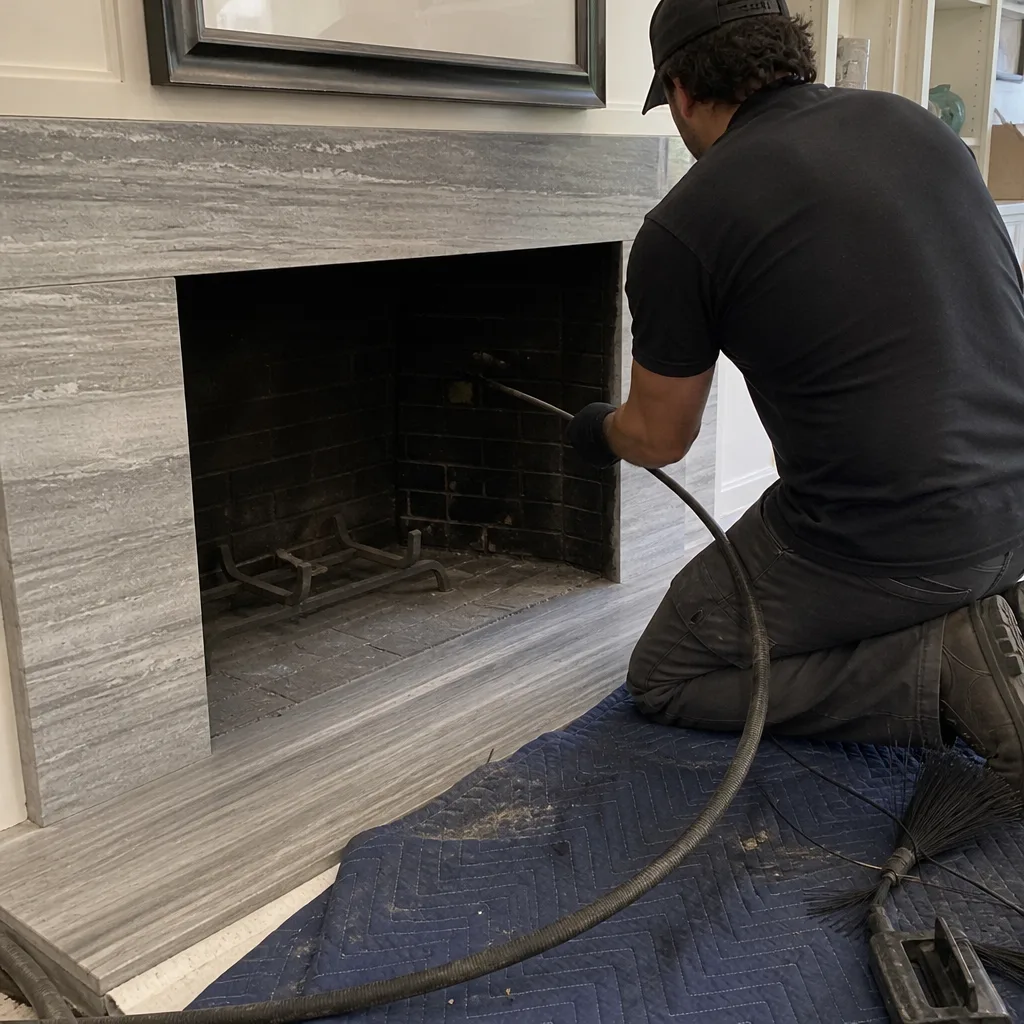
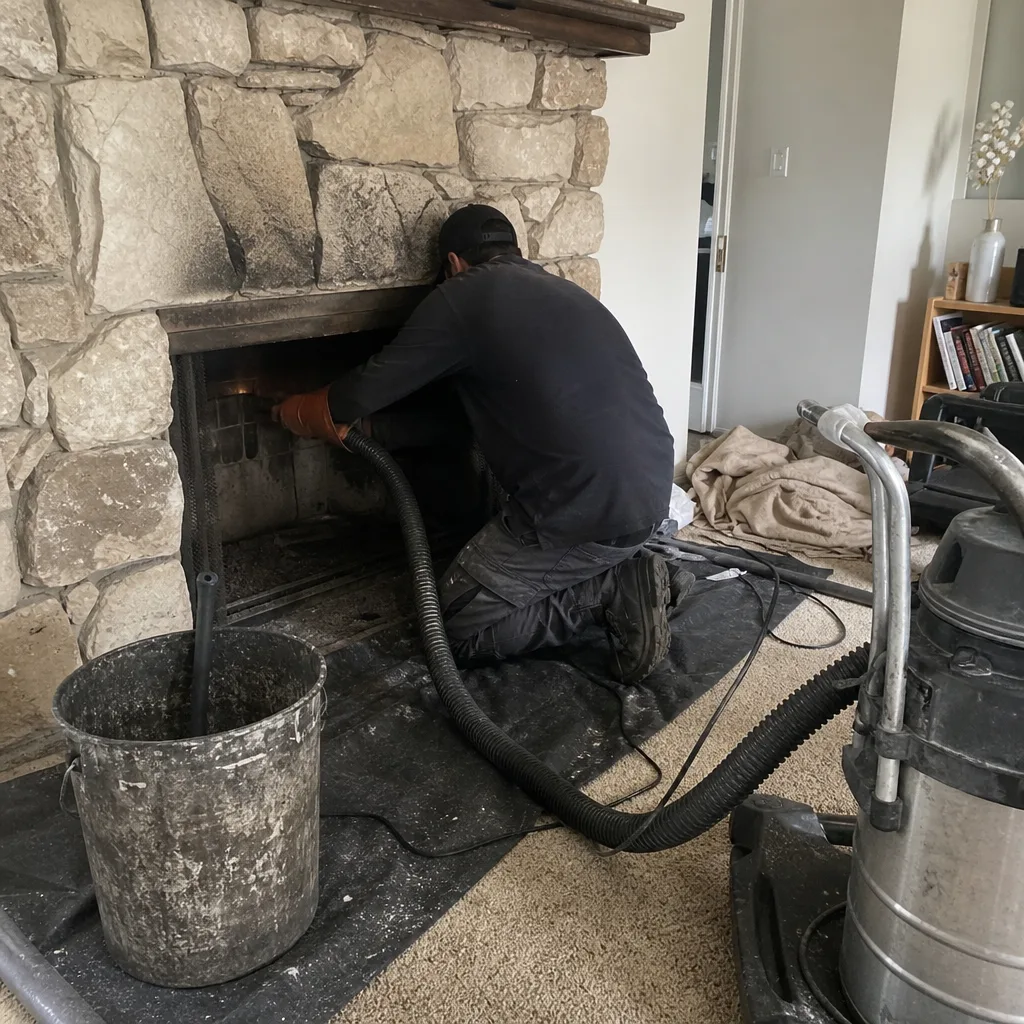
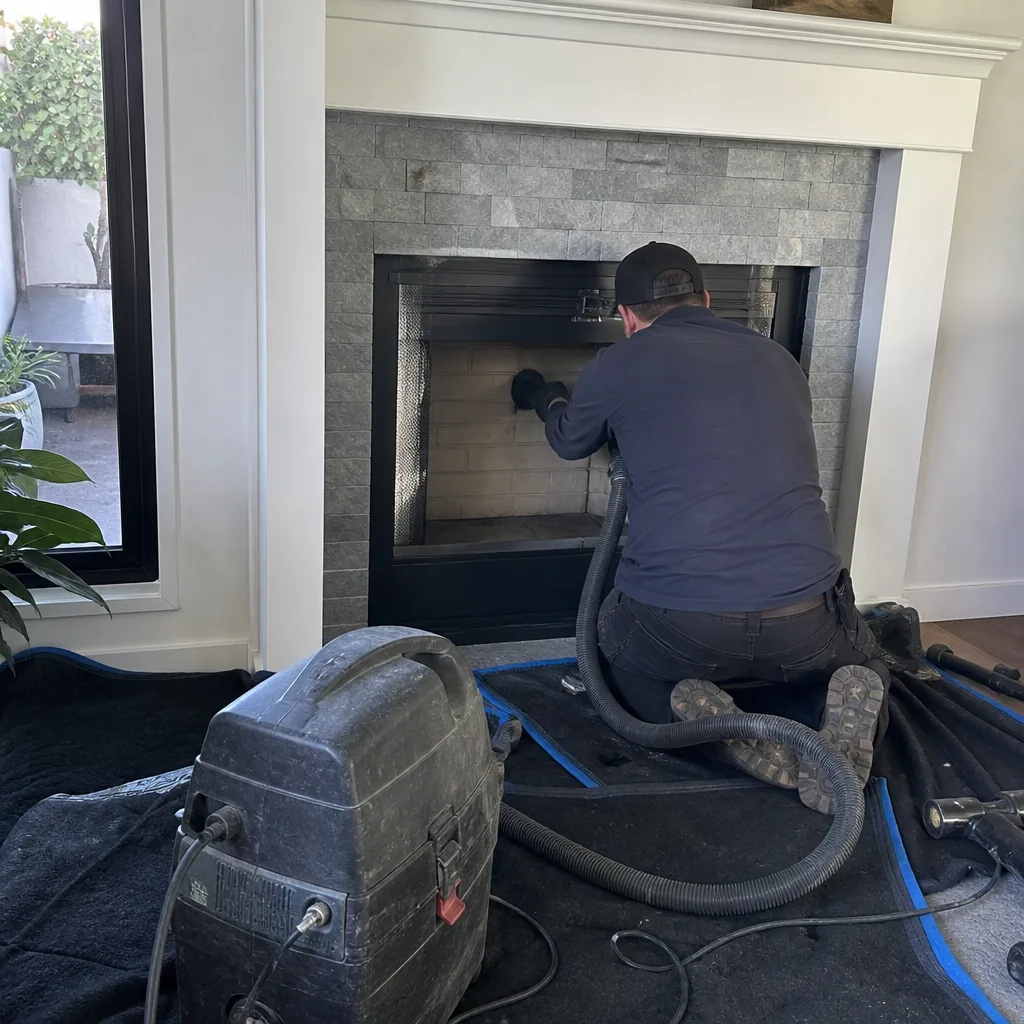
See the difference
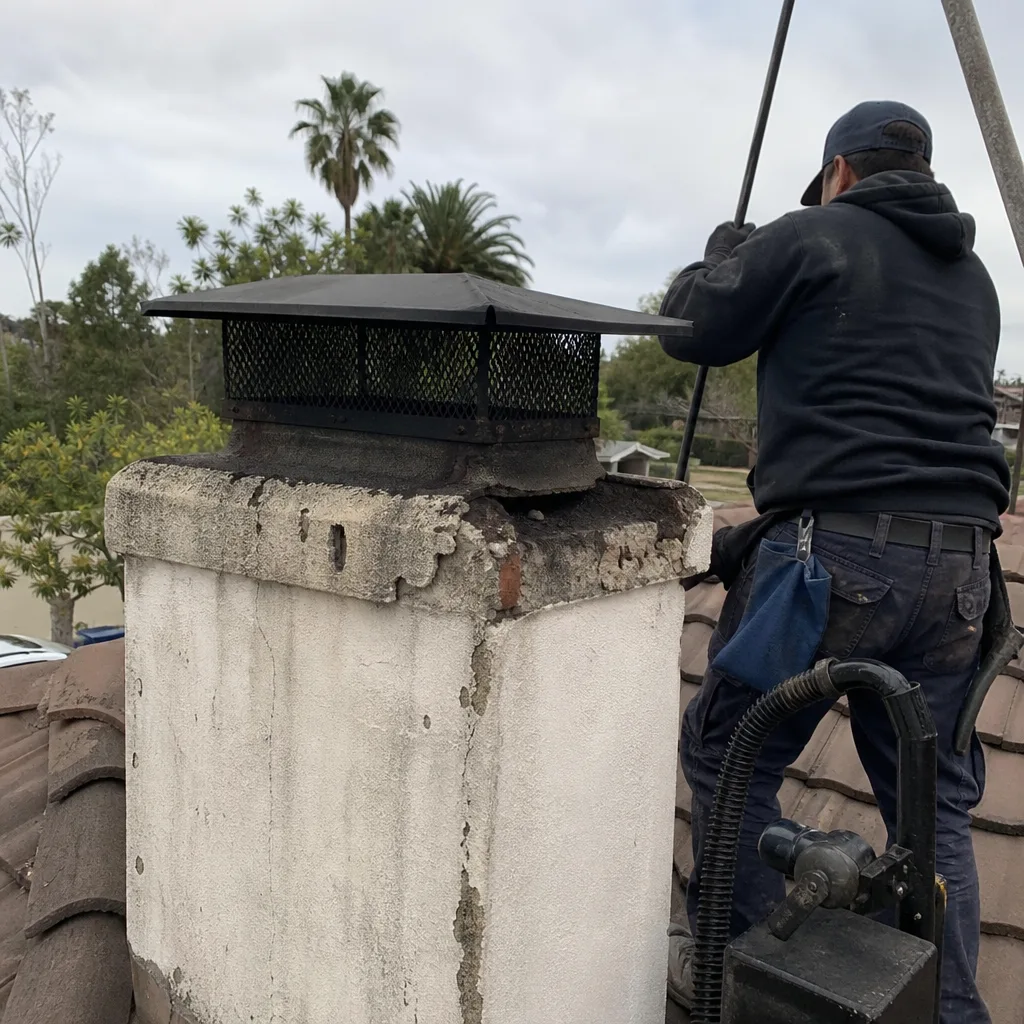 Before
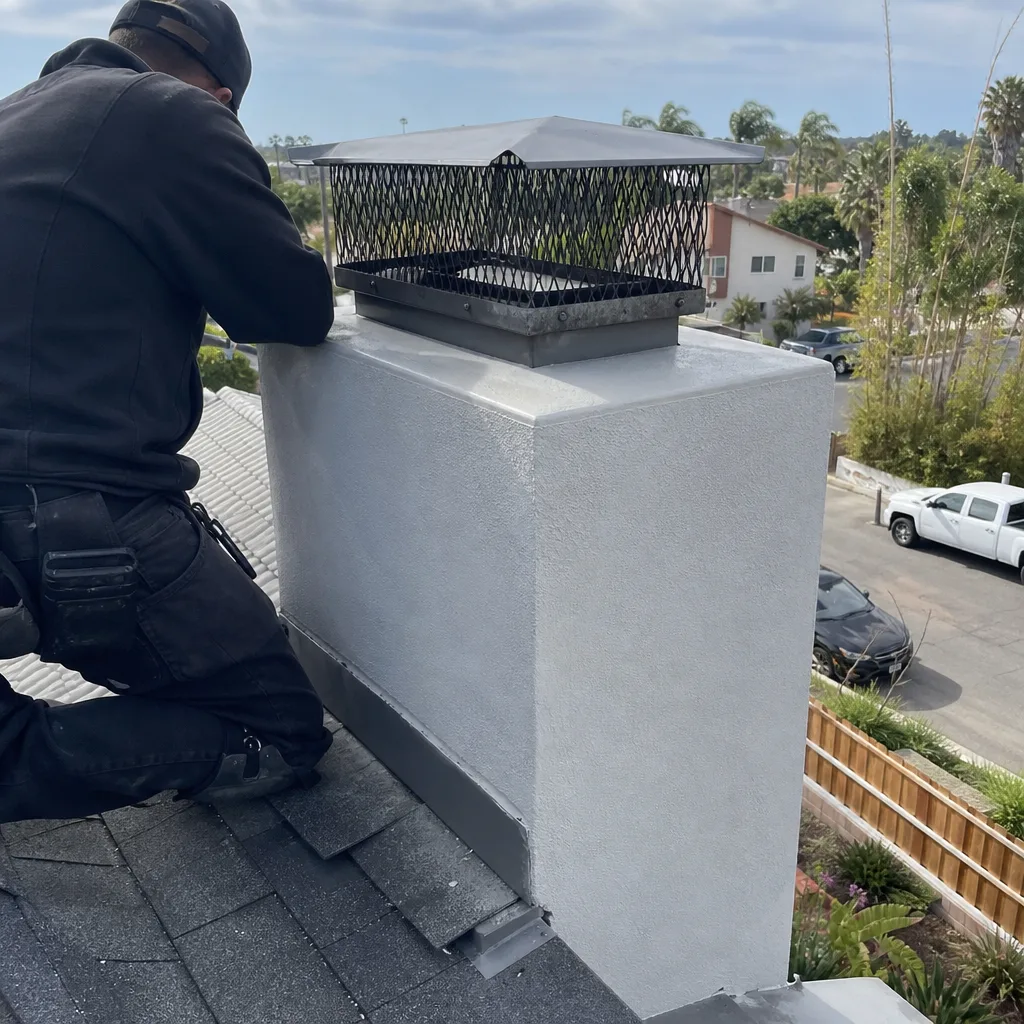 After
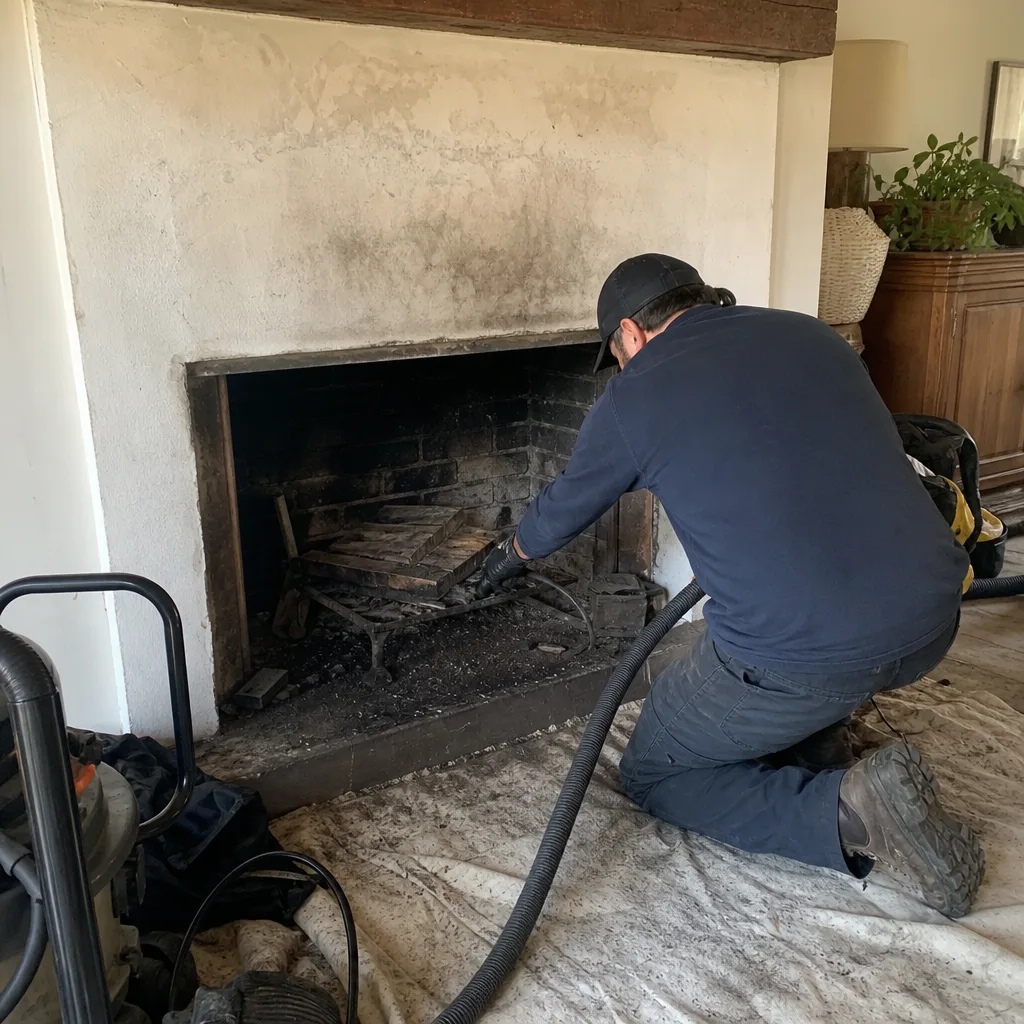 Before
 After
 Before
 After