
Last updated November 2, 2026
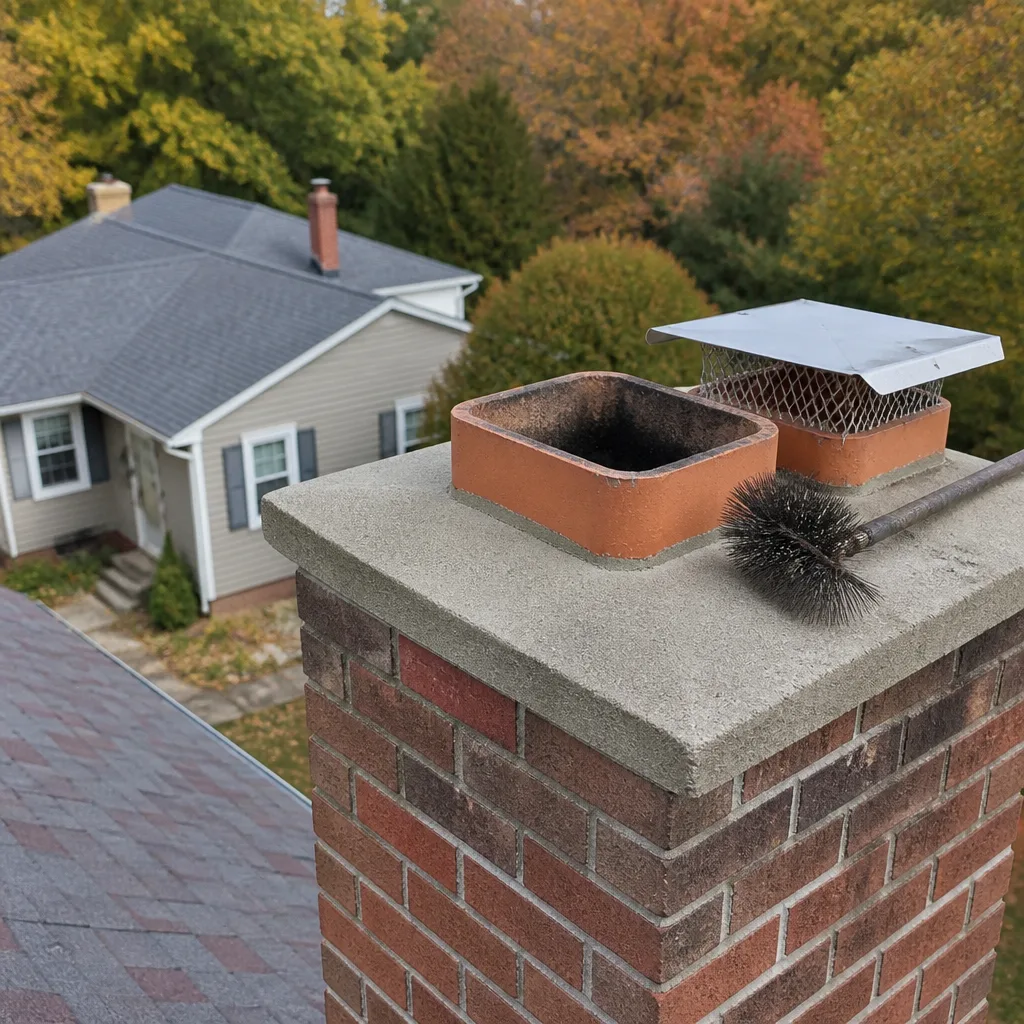 Sweep & inspection
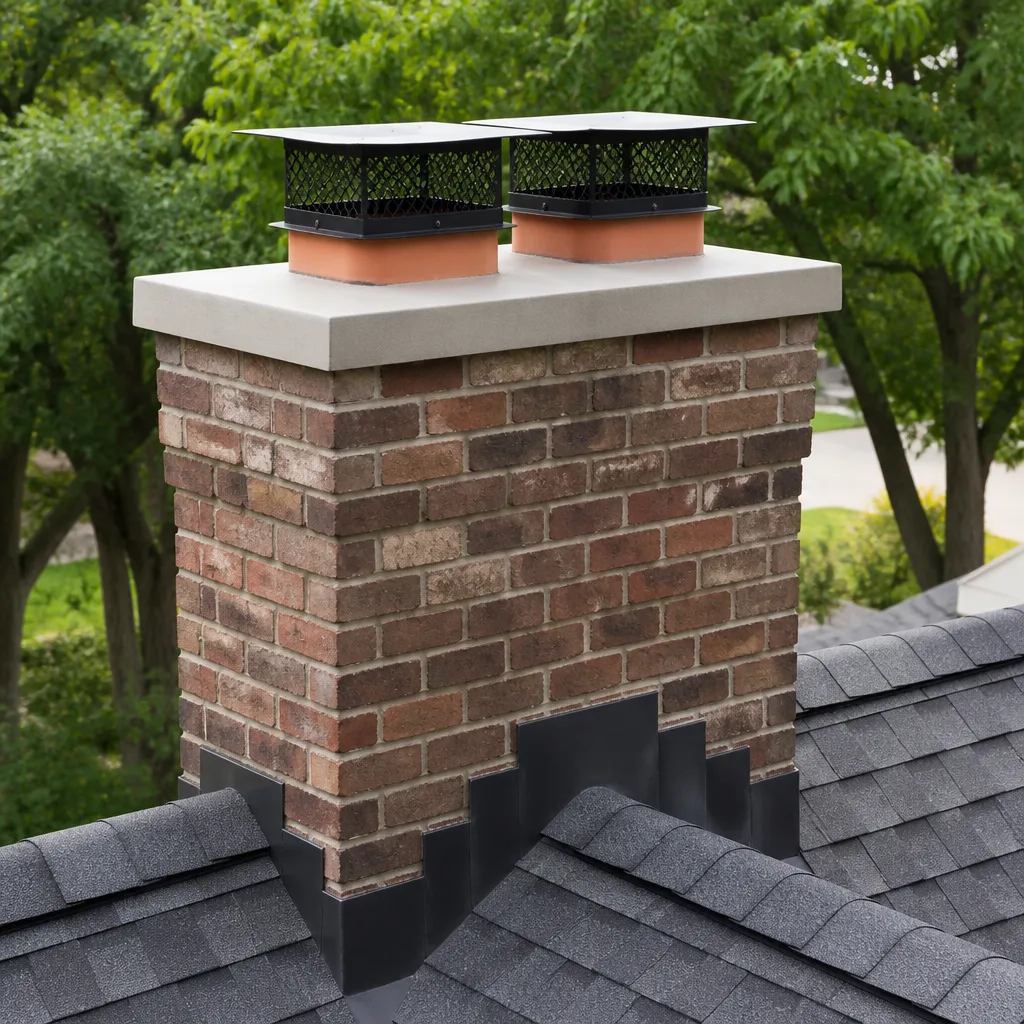 Caps & crowns
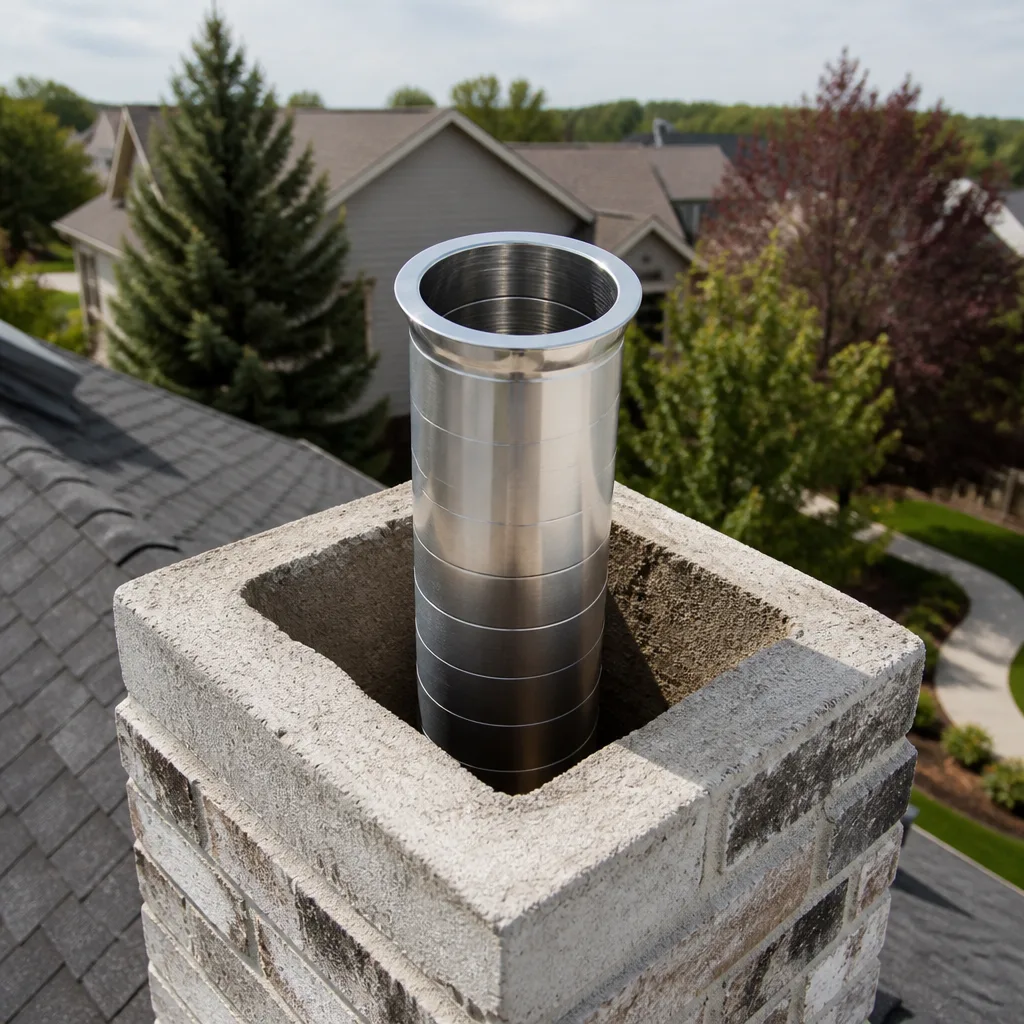 Flue relining
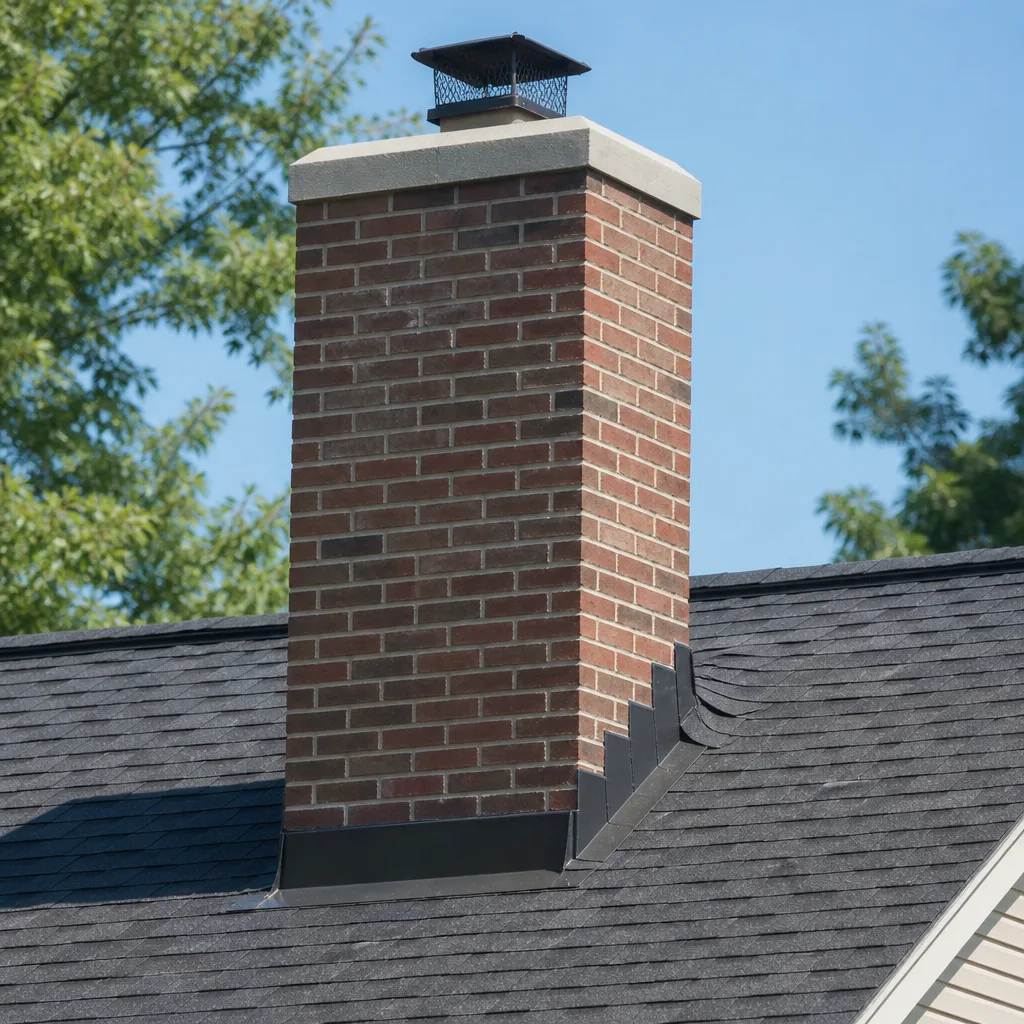 Masonry repair
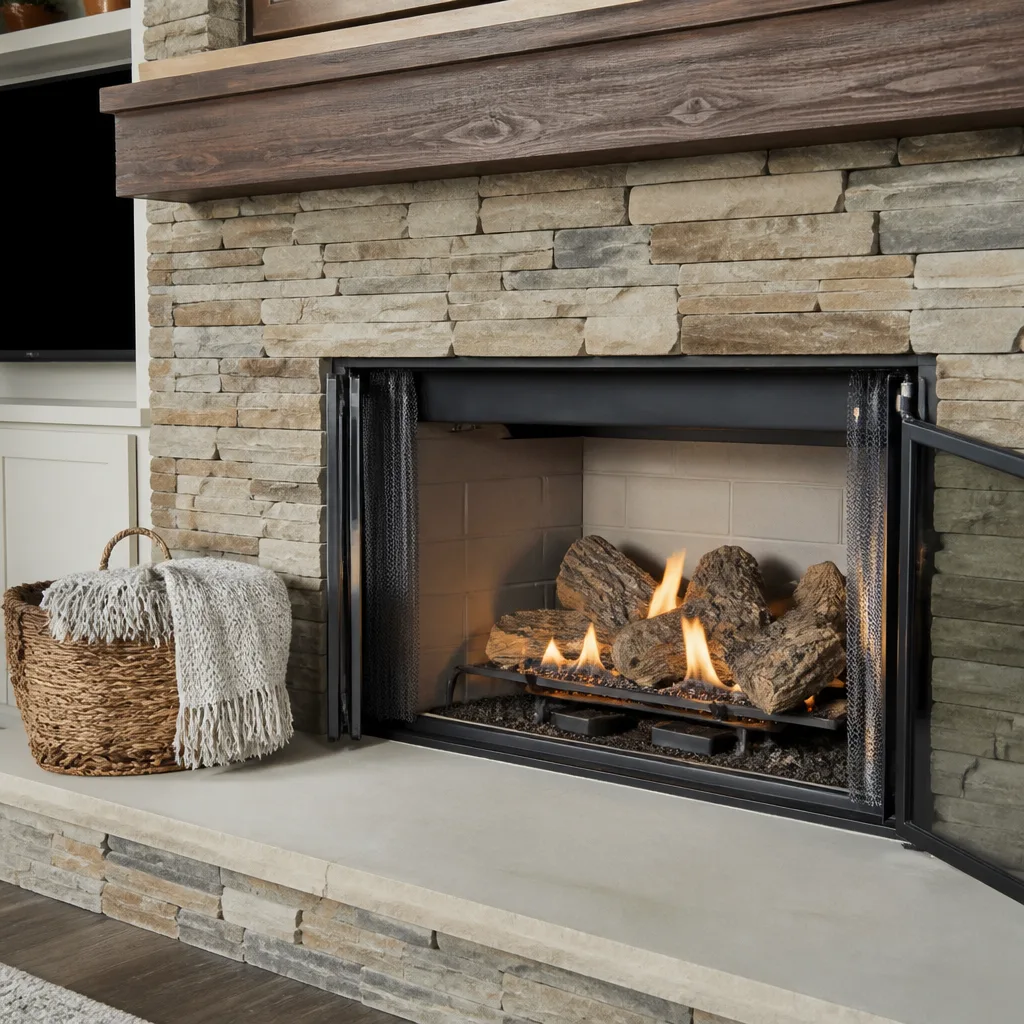 Gas fireplace service
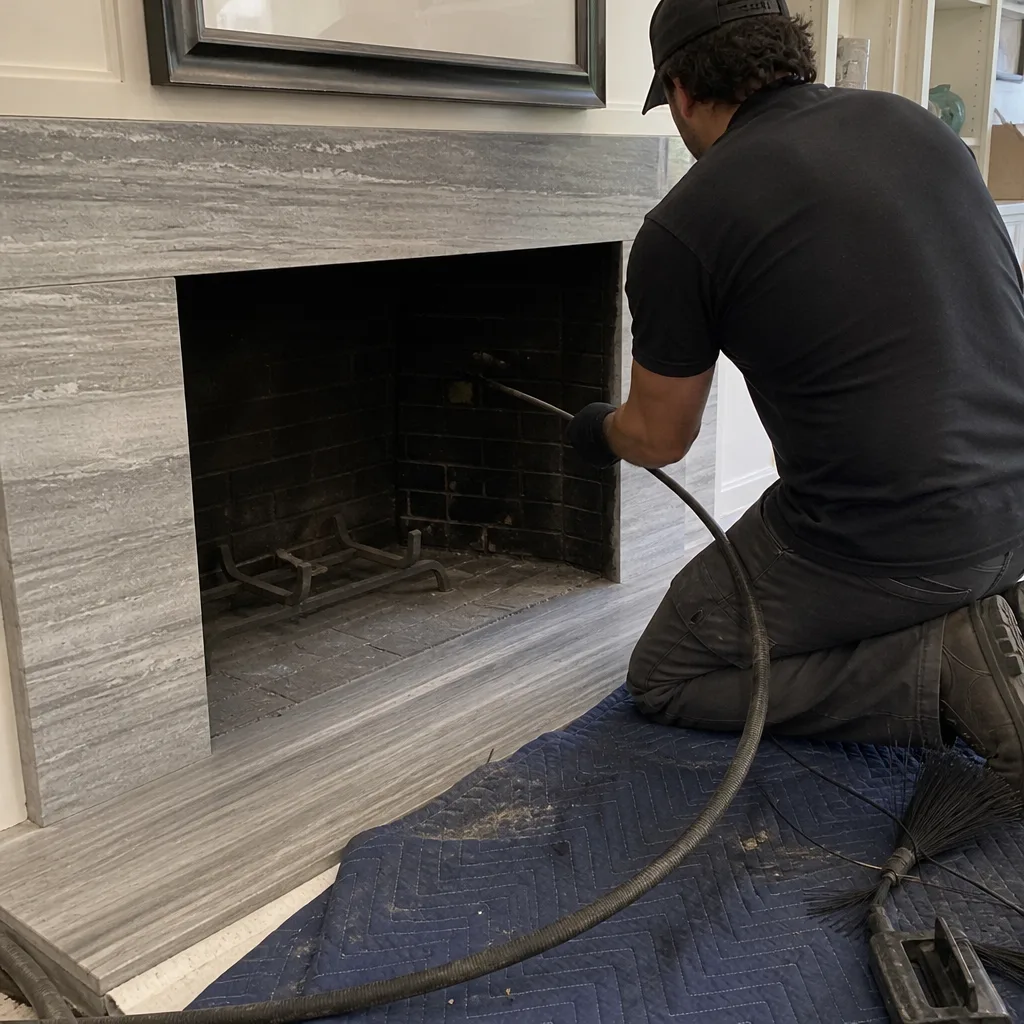
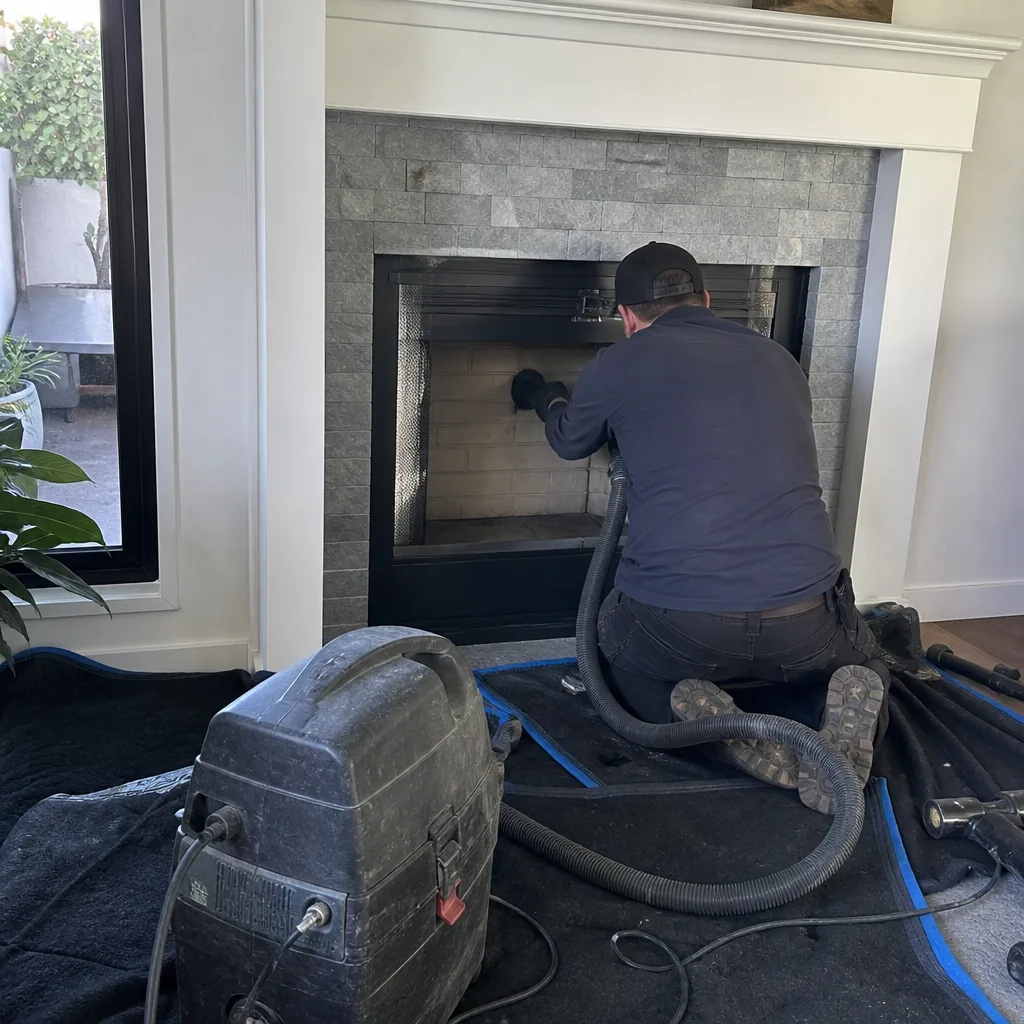
Level 1 sweep and inspection to the NFPA 211 annual standard - flue, crown, cap, and flashing checked and photographed
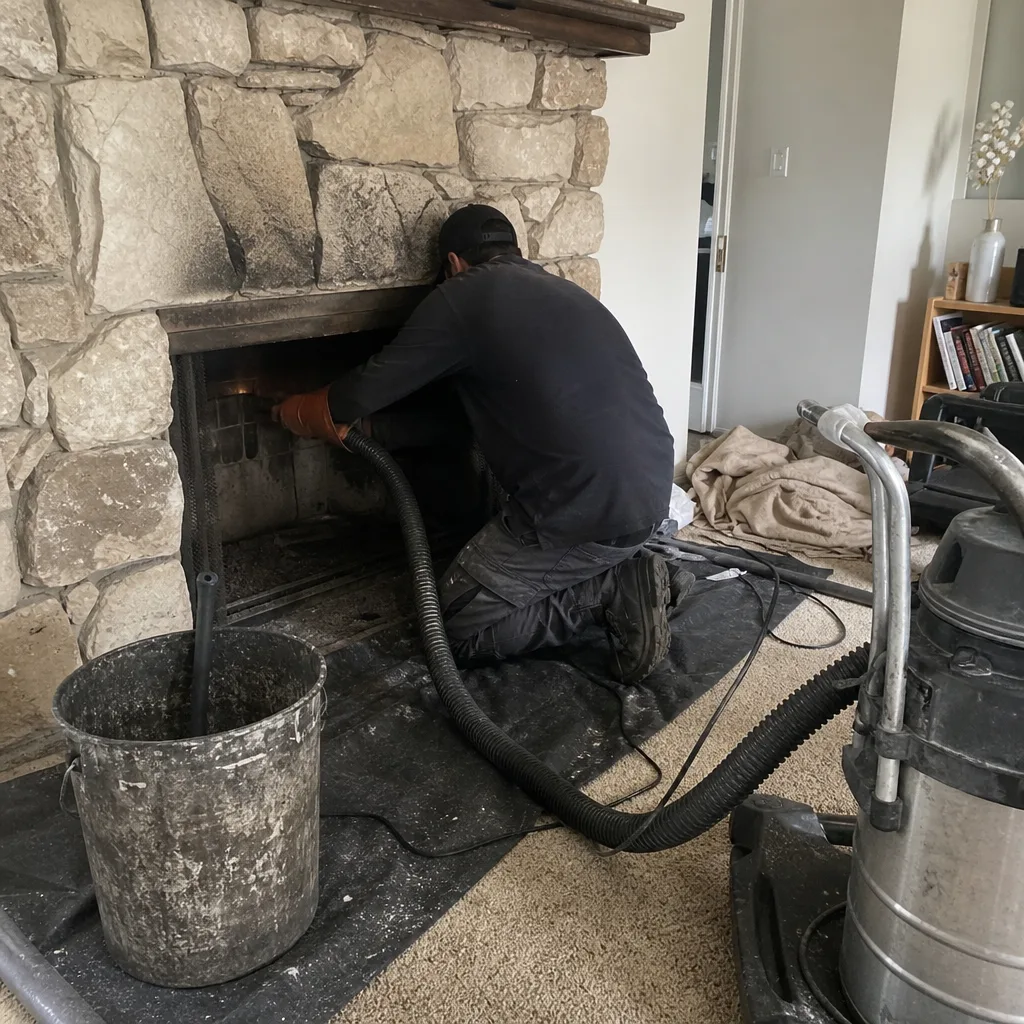
Chimney sweep logs do not sweep chimneys. They loosen some creosote - which then falls where a brush and vacuum still have to collect it.
Chimney Sweep Maintenance Checklist for Encinitas Homeowners
Here’s a number most homeowners never hear: a chimney fire can reach 2,000 degrees Fahrenheit inside the flue, hot enough to crack clay tiles and warp steel liners. In Encinitas, where the marine layer keeps mornings cool and Santa Ana winds dry everything out in October, the standard advice about annual inspections was written for places where fireplaces run all winter. Most Encinitas chimneys burn fewer than 20 nights a year. That changes which parts fail first, and it changes what belongs on your checklist. This guide walks through the seasonal items that matter for a coastal Encinitas home: salt air on metal, thermal cycling on clay, and debris patterns from eucalyptus and palm that inland checklists never mention.
Styles & brands we work with
- Sweep & inspection
- Caps & crowns
- Flue relining
- Masonry repair
- Gas fireplace service
Quick Answer
A chimney maintenance checklist for Encinitas homeowners should happen twice a year: a pre-season inspection in late September or October before the first fire, and a post-season check in April or May after the rainy months end. At minimum, the pre-season checklist covers the cap screen, flue interior, damper operation, and smoke chamber, while the post-season checklist focuses on moisture intrusion, crown surface checking, and damper sealing. A professional Chimney Sweep in Encinitas typically costs between $180 and $340 depending on flue type and condition, and most companies book 1-3 weeks out during October.
Table of Contents
- Pre-Season Checklist: What to Do Before the First Fire
- The Salt Air Factor: How Coastal Corrosion Changes Your Checklist
- Mid-Season Warning Signs You Can Catch From Inside
- Post-Season Steps: Protecting Your Chimney Through Encinitas Winters
- What to Check Yourself vs. What Needs a Certified Technician
- Documenting Your System: Building a Year-Over-Year Record
- Common Mistakes to Avoid
- When to Call a Professional
- Frequently Asked Questions
- The Bottom Line
Pre-Season Checklist: What to Do Before the First Fire
In Encinitas, the first fire of the season often happens on a cool November evening after months of disuse. That’s the worst time to discover a problem. Start this checklist in late September or early October, when the October Santa Ana winds are starting to dry out the brush and before any fireplace gets lit.
Here’s the pre-season checklist, in order:
- Check the cap screen from ground level. Walk outside and look up at the chimney cap. Use binoculars if you have them. In Encinitas, the screen mesh on a standard cap clogs with eucalyptus leaves, pine needles from Torrey pines, and coastal grass that blows off the bluffs. A visibly clogged screen means restricted draft before you’ve even started a fire. If the screen is caked with debris, it’s time to check whether a professional chimney sweep in Encinitas can clear it before rain season locks it in.
- Look for rust on the cap and chase cover. Coastal salt air accelerates rust on galvanized and even some stainless caps. Surface rust that hasn’t eaten through the metal is often worth treating or replacing before it becomes a full cap failure. A rusted-through cap lets rain and embers through, which leads to larger problems by February.
- Open the damper fully and check its movement. Inside the house, open the damper and swing it through its full range. In Encinitas, the cool, damp air of summer can cause damper hinges to stiffen or corrode, especially on older cast-iron dampers. If the damper sticks, doesn’t seal, or makes a grinding noise, note it before the first fire. A damper that won’t fully open will push smoke into the room.
- Shine a flashlight up the flue. From inside, open the damper and angle a bright flashlight up. Look for obvious blockages, animal nests, or a heavy creosote glaze. You won’t see everything from this angle, but you can catch a bird nest or a damper obstruction before it becomes a smoke problem on fire night.
- Check the firebox floor and walls for cracks. Look at the refractory panels or firebrick inside the firebox. In Encinitas, homes less than a mile from the coast get salt-laden air moving through the flue during summer, which can accelerate spalling in older mortar. Small hairline cracks are common and often fine. Crumbling or missing pieces need attention before the first fire.
- Test your carbon monoxide detector. This isn’t a chimney component, but it’s the safety net for everything on this list. A detector more than 7 years old should be replaced. Test the button and check the battery. Many Encinitas homes have detectors that have been beeping through summer and were taken down rather than replaced.
If items 1, 2, or 4 turn up anything unusual, or if you’ve burned more than a dozen fires since the last sweep, the pre-season checklist points to one clear action: book a Chimney Sweep in Encinitas before the first night you want a fire. October and November are the busiest booking months for a reason.
The Salt Air Factor: How Coastal Corrosion Changes Your Checklist
A maintenance checklist written for a home in Escondido or Temecula looks different from one written for Encinitas. The difference isn’t just humidity. It’s the chemistry of salt-laden air moving through a chimney system.
Here’s what we see on coastal chimneys in Encinitas that inland checklists miss:
- Faster cap rust and fastener failure. The standard galvanized cap on a coastal chimney rusts through years faster than the same cap inland. The fasteners holding the cap to the flue are often the first to fail. If the cap is loose or rattling in a strong ocean wind, that’s a coastal-specific warning sign.
- Clay tile thermal cracking from day-night temperature swings. Encinitas has a coastal desert microclimate: daytime highs can hit the low 80s in November while nighttime lows dip into the 40s. Clay flue tiles expand and contract with these swings. Over years, hairline cracks form. A cracked tile isn’t immediately dangerous, but it permits heat transfer to nearby framing and it shortens the life of the flue. This is a big part of why a Chimney Cleaning Encinitas home inspection matters even when the fireplace gets light use.
- Eucalyptus debris accumulation. The eucalyptus windbreaks throughout Leucadia and Olivenhain drop long, stringy bark and leaves that blow into cap screens and even down open dampers. Eucalyptus bark is oily and accumulates differently than pine needles. A cap screen clogged with eucalyptus can block 60-70% of the draft area before it’s visually obvious from ground level.
- Rapid mortar joint erosion. Salt air works its way into the tiny pores of crown mortar and the mortar joints between bricks. When the marine layer rolls in and out, the salt crystallizes and expands. Over a decade, that process loosens mortar. The crown (the concrete slab at the top of the chimney) is the first place to show surface checking and hairline cracks. Left unfixed, water gets in and the deterioration accelerates.
This is why the standard national checklist, which says “inspect the chimney once a year,” is insufficient for Encinitas. The coastal environment stacks two problems many inland homes never face: salt-driven metal corrosion and moisture-driven masonry erosion, all while the fireplace itself gets relatively little use. The parts that fail here aren’t the parts that fail from heavy burning. They’re the parts that fail from exposure.
Mid-Season Warning Signs You Can Catch From Inside
You don’t need to climb on the roof to know when a chimney is overdue for cleaning. Most of the important mid-season indicators are observable from inside the house, during normal use. In Encinitas, where the burn season runs roughly November through February, these signs typically appear in December or January if the system wasn’t properly prepared in the fall.
Watch for these five indicators:
- Smoke rollout into the room. When you open the firebox door or move the screen and smoke wafts into the living room instead of up the flue, that’s a draft problem. The flue may be partially blocked, the cap screen may be clogged, or the damper may not be opening fully. In Encinitas homes with single-story floor plans near the coast, smoke rollout can also happen on days when the onshore breeze creates low pressure against the chimney.
- Draft hesitation on startup. When you first light the fire, the flue needs a minute to warm up and establish draft. If that warm-up period stretches past a minute or two, or if the fire won’t hold a consistent draft for the first 10 minutes, the flue likely has partial obstruction or heavy creosote narrowing the passage.
- The smell changes. A clean fire smells like wood smoke. A fire in a dirty chimney produces a sharp, acrid odor that lingers in the room even after the fire dies. That smell is creosote, and it’s a sign that the flue needs cleaning before the next fire. If the odor is more like must or damp leaves, you may have an animal nest or water intrusion.
- A slow-burning fire that used to burn hot. If the same wood that burned vigorously last season suddenly smolders and produces less heat, the chimney isn’t drawing as it should. The change is usually gradual, which is why it sneaks up on people. Compare your current fires to last season’s, not to some abstract standard.
- Black flakes falling into the firebox. When creosote builds up in the flue, pieces of it sometimes break loose and fall. If you see black, flaky material in the firebox after a fire, the creosote layer is thick enough to be shedding. That’s beyond the point where a cleaning can wait.
Any one of these signs means the system needs a professional look. None of them are safe to ignore through the rest of the burn season. A Chimney Repair in Encinitas isn’t always required, but a proper sweeping and inspection should happen before the next fire.
Post-Season Steps: Protecting Your Chimney Through Encinitas Winters
In Encinitas, the end of burn season and the start of the rainy season overlap. February is often the last month of regular fires, and March brings the first soaking rains. That timing matters: the chimney that carried smoke all winter is about to sit cold and damp for eight months. The post-season checklist is about protecting the system during that wet, idle period.
Here’s the post-season sequence, ideally done in April or early May:
- Have the chimney swept before sealing it up. The ash and creosote left from winter fires absorb moisture from coastal air. That moisture then sits against the flue liner for the entire idle season. A thorough cleaning before the system goes dormant prevents that chemical stew from eating at the liner from May through October.
- Close and seal the damper properly. A damper that doesn’t fully seat lets moist marine air move up and down the flue all summer. In Encinitas, that onshore flow is constant. If the damper is warped or doesn’t seal, that’s worth addressing now, not in October when you light the first fire and get a face full of smoke.
- Check for water staining in the firebox after the first few rains. After a good rain in March or April, look inside the firebox for dark water stains, damp spots, or efflorescence (white, powdery mineral deposits). These indicate that water is getting past the crown or cap. Early detection means the difference between resealing a crown and rebuilding a smoke chamber.
- Check the crown surface for new cracking. The crown is the flat concrete surface at the top of the chimney. After a dry summer followed by the first winter rains, shallow cracks called surface checking can appear. In Encinitas, the combination of summer sun and winter rain makes this a nearly annual occurrence on older crowns. Small cracks can be sealed before they become structural.
- Remove any remaining wood from the firebox. Firewood left in the firebox all summer attracts pests and holds moisture against the firebrick. Stack wood outside, off the ground, away from the house.
- Put a visual note in your phone or on your calendar for September. The reason most Encinitas chimneys get neglected is not that homeowners don’t care. It’s that the window between “I should get the chimney looked at” and “I want a fire tonight” is about two weeks long in late October and November. Setting a September reminder is the single most effective maintenance step most homeowners never take.
This post-season sequence also applies to gas fireplace chimneys. Even though a gas fireplace produces no creosote, the flue and crown are exposed to the same salt air and rain. A gas chimney that hasn’t been inspected in years can hide cracked tiles or a rusted cap just as easily as a wood-burning one.
What to Check Yourself vs. What Needs a Certified Technician
There’s a line between prudent homeowner observation and work that requires a trained chimney specialist with the right equipment. Knowing where that line is saves money and keeps you safe. In Encinitas, the line is especially important because coastal corrosion often creates damage that isn’t visible from the ground or from inside the firebox.
What homeowners can safely check from the ground
- Cap and crown condition with binoculars. You can spot obvious rust, missing cap screens, cracked crown surfaces, and vegetation growing out of the chimney. If you can see damage from the ground, it’s past due for a closer look.
- Damper operation. The damper is safe to operate from inside. You can check movement, listen for grinding, and see whether it seats fully.
- Firebox interior condition. The firebox is visible. Hairline cracks, crumbling mortar, and water staining are all observable with a flashlight.
- Smoke behavior during a fire. You can observe whether smoke draws properly or rolls back into the room. This is valuable information to tell a chimney sweep before they arrive.
- Debris accumulation on the cap screen. From the ground with binoculars, a clogged screen is often visible. In Encinitas, eucalyptus and pine debris make cap screen clogging one of the most common findings.
What requires a technician and camera equipment
- Flue interior inspection. The inside of the flue cannot be fully assessed from the firebox or the roof. A certified sweep uses a camera system to look at every tile joint, the full liner surface, and the smoke chamber. This is how cracked tiles and deteriorated mortar joints get found before they become chimney fires or carbon monoxide leaks.
- Creosote thickness measurement. Creosote thickness determines whether a chimney is safe to burn. Visual inspection alone is not reliable, especially with glazed creosote, which can look like a thin coating but be layered and dangerous.
- Liner integrity testing. A clay tile liner can crack and still look fine from the top and bottom. Camera inspection reveals cracks that can’t be seen any other way. When we find significant liner damage, the homeowner needs to know the options, including relining with a DuraFlex system or resurfacing with HeatShield, both of which are professional-grade materials that can bring a damaged flue back to safe operation.
- Chase cover and top-seal inspection for prefab chimneys. Prefabricated chimneys found in many newer Encinitas homes have a metal chase cover that needs close inspection. Rust on a chase cover often works from the underside where water pools, which isn’t visible from the ground.
The reason we’ve structured the division this way is simple: the items in the DIY list are observations. The items in the professional list are diagnostics. A homeowner who observes a rusted cap still needs a technician to tell them whether the cap replacement is all that’s needed or whether water intrusion has damaged the liner beneath.
Documenting Your System: Building a Year-Over-Year Record
The most useful maintenance habit for any Encinitas homeowner is also the least commonly practiced: keeping a simple record of the chimney’s condition each season. Without records, every inspection starts from zero. With records, deterioration trends become obvious, and small repairs get caught before they become big ones.
Here’s a documentation system that takes 10 minutes per year and can save thousands in repair costs:
- Take five photos per year. One of the cap and crown from ground level, one of the firebox, one of the damper, one of the exterior chimney, and one of the flue from the camera inspection if you have a sweep performed. Store them in a folder on your phone.
- Write a one-paragraph note after each sweep. What did the technician find? What was the creosote level? Was there any recommended repair? Did you decline any work? Five sentences is enough.
- Track burn count, not just burn season. Write down how many fires you had this season. In Encinitas, most homeowners burn 5-15 fires per year. When a sweep recommends a cleaning schedule, the number that matters is how many fires you actually burn, not how many months the fireplace exists.
- Keep receipts for any cap replacements, damper replacements, or masonry work. These have timestamps and material names on them. When the next technician asks when the cap was replaced, the answer is in the file instead of in your memory.
- Review the file each September. When that September reminder fires, spend five minutes looking at last year’s photos and notes. If the cap looked sketchy last spring, schedule a sweep early rather than waiting until November.
This documentation matters because coastal deterioration is gradual. A crown that shows minor surface checking in year one might show deeper cracking in year two. A cap that starts with light rust in year one might have rust-through by year three. Without a record, these changes are invisible. With a record, they’re actionable.
Common Mistakes to Avoid
- Using the national “annual inspection” schedule without adjusting for coastal conditions. The annual rule was written for homes that burn heavily. In Encinitas, the more important schedule is seasonal: pre-burn and post-rain. A chimney can be perfectly clean and still have salt-driven cap failure that needs catching.
- Assuming a rarely-used chimney doesn’t need attention. The most dangerous chimneys we see in Encinitas aren’t the heavily used ones. They’re the ones that sit unused and uninspected for years while salt air and moisture do gradual damage. A chimney that hasn’t been looked at in five years is a wildcard regardless of burn count.
- Cleaning only the firebox and skipping the flue. The firebox is where you see the mess. The flue is where the danger is. A homeowner who cleans the firebox but never has the flue swept is cleaning the wrong part of the system.
- Ignoring the dryer vent because it’s not a chimney. The same coastal debris that clogs a chimney cap also accumulates in dryer vents. A dryer vent that hasn’t been cleaned in years is a real fire hazard, and it’s one of the most common household fire sources in California. A Dryer Vent Cleaning in Encinitas should be part of the same seasonal audit as the chimney check.
- Waiting until November to book a sweep. October and November are peak booking months for chimney sweeps throughout San Diego County. By the time the first cool night arrives, the schedule is often full for weeks. The September reminder exists because of this.
- Using box-store caps and generic parts on a coastal chimney. The standard galvanized cap sold at the hardware store will rust out quickly in Encinitas. Professional-grade components, including caps from Copperfield and Olympia Chimney, are built for coastal exposure and last far longer. The upfront cost difference is small compared to replacing a rusted cap every few years.
- Skipping the camera inspection to save money. A visual sweep without a camera inspection can miss cracked tiles and mortar deterioration that are just starting. In Encinitas, where coastal conditions accelerate these failures, the camera inspection is not an upsell. It’s the part of the service that finds problems while they’re still cheap to fix.
When to Call a Professional
Some findings on this checklist are notes. Some are reasons to pick up the phone. If you see smoke rollout during a fire, that’s an immediate call. If you see black flakes falling into the firebox, that’s an immediate call. If your cap is rusted through or missing, or if you see water staining in the firebox after rain, that’s a call. If your chimney has not been professionally swept in three or more years, even if you haven’t used it, that’s also a call. The system ages whether it’s used or not.
Chimney Repair in Encinitas is part of what we do every day. We inspect, clean, and fix in one visit, so you’re not scheduling a second contractor. Chimney Cleaning Encinitas offers free estimates in Encinitas. Call (866) 282-6347 and we’ll help you figure out what your system actually needs, whether that’s a sweep, a repair, or just an honest answer that it’s fine for another season.
Frequently Asked Questions
A standard chimney sweep in Encinitas typically costs between $180 and $340 depending on the flue type, the level of creosote buildup, and whether it’s a masonry or prefab chimney. More complex jobs, like a chimney that also needs a camera inspection or has significant glazed creosote, can run higher. We quote a flat price before any work begins so you know exactly what the sweep will cost. Call (866) 282-6347 for an exact quote for your system.
In Encinitas, where most homeowners burn between 5 and 15 fires per year, a professional sweep every 1-2 years is the right interval for most systems; read our Choosing the Right Chimney Cleaning Brand: A Buyer’s Guide for Encinitas to find qualified providers. Heavy users who burn 20 or more fires should stay on an annual schedule. Light users who burn fewer than 5 fires can often go two years between sweeps, but they should still have a visual inspection annually because coastal corrosion affects chimneys even when they’re not used.
Not always. Cracked clay tiles are common in older Encinitas chimneys due to thermal cycling and coastal moisture, and the right fix depends on the extent of the damage. Minor cracking can sometimes be addressed with resurfacing using HeatShield, which restores the flue interior without a full reline. More extensive damage may require a DuraFlex stainless liner. We show you the camera footage so you can see exactly what we’re seeing before any recommendation is made.
What usually happens in Encinitas is that a combination of salt air, moisture, and disuse creates problems that get found late. A rusted cap lets rain into the flue. That water soaks into the masonry. The next fire heats the damp masonry unevenly. Over time, the crown cracks, the tiles crack, and the cost to repair goes from a few hundred dollars to a few thousand. The most expensive chimney work we do is almost always on systems that were ignored for five or more years.
A handyman can brush the loose soot out of a flue, but a proper chimney sweep involves inspection, creosote assessment, and often camera work that requires specialized equipment and training. More importantly, a handyman who finds a cracked liner or a deteriorated crown can’t fix it. The whole point of hiring a chimney specialist is that when the cleaning reveals a problem, the solution happens in the same visit. One call covers your chimney and your dryer vent. Both are fire risks. One specialist handles both.
Encinitas follows California Building Code requirements for chimney and venting systems, which include minimum clearance-to-combustible requirements, proper liner specifications, and cap requirements for spark arrestment. These codes matter most when a chimney is being repaired or relined rather than just cleaned. A repair-capable chimney sweep will know what the code requires for your specific situation and will quote the work accordingly. When in doubt, call (866) 282-6347 for guidance.
The Bottom Line
Encinitas chimneys fail from exposure more often than from overuse. The checklist that protects your system is not the national boilerplate about annual inspections. It’s a seasonal rhythm: pre-season prep in September and October, mid-season observation during the burn months, and post-season protection in April and May. The components that matter most in this climate are the cap, the crown, and the liner, because those are the parts nearest the salt air and the rain. Document what you see, call a specialist when the checklist finds something, and don’t let a rarely-used fireplace become an ignored one. For more guides & resources on coastal chimney care, explore our blog.
If you’re not sure where your chimney stands, start with an inspection. Chimney Cleaning Encinitas serves Encinitas homeowners with chimney sweeping, chimney repair, and dryer vent cleaning, all in one call. Free estimates: (866) 282-6347.
Written by the team at Chimney Cleaning Encinitas, serving Encinitas since 2012.
See the difference
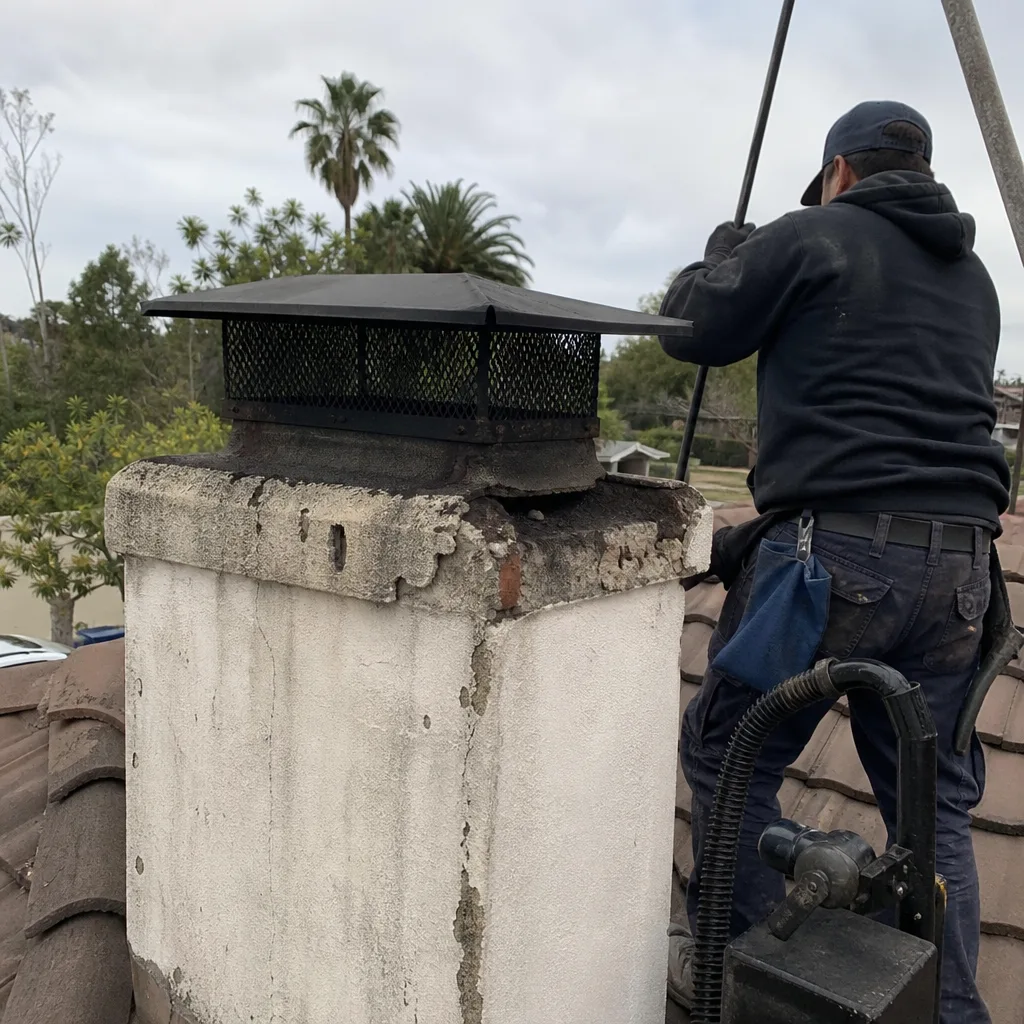 Before
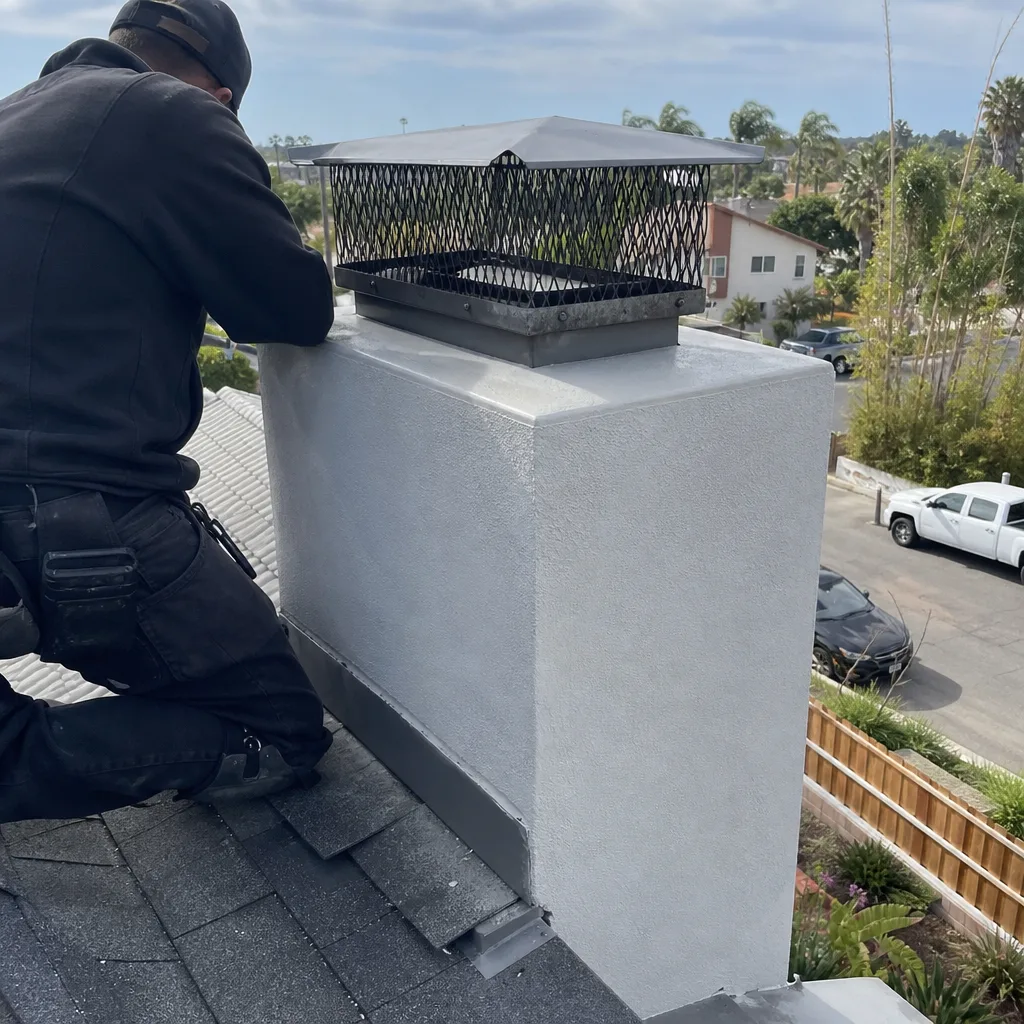 After
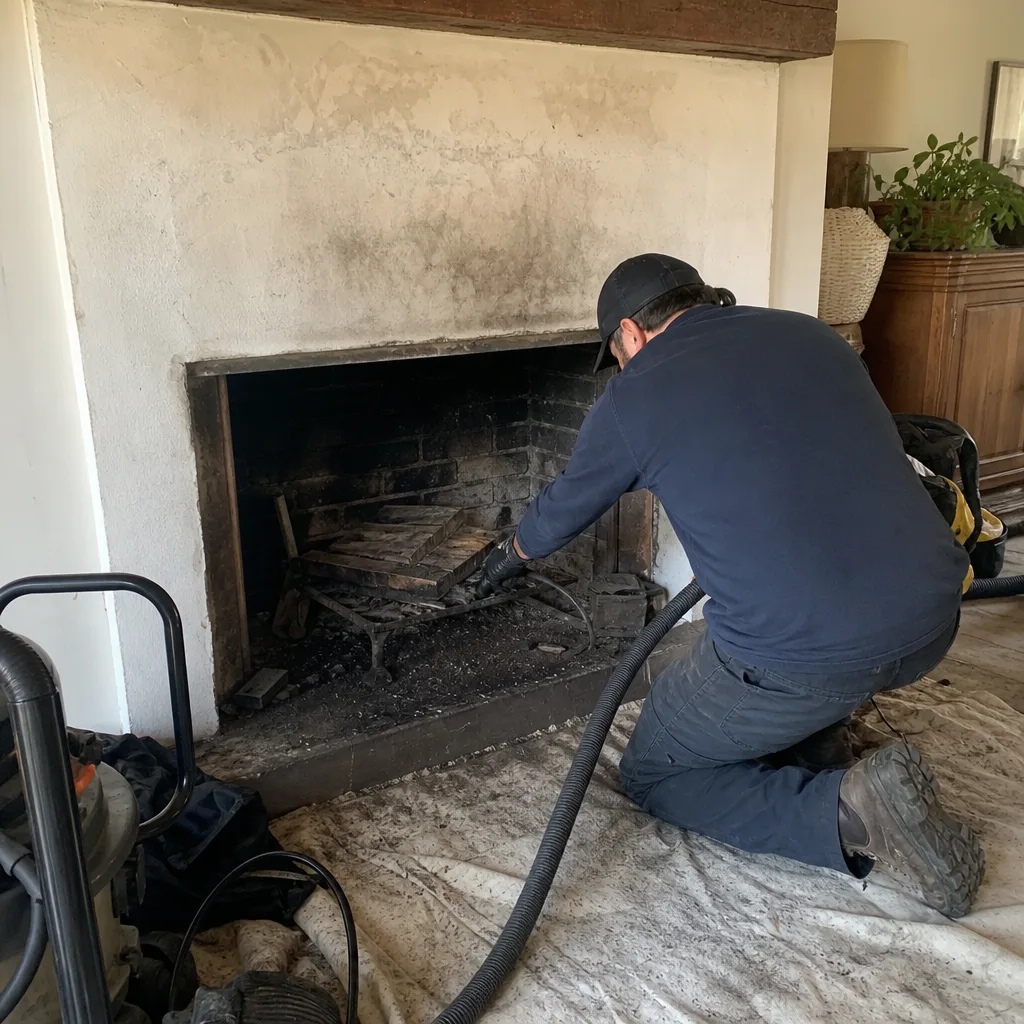 Before
 After
 Before
 After