
Last updated November 2, 2026
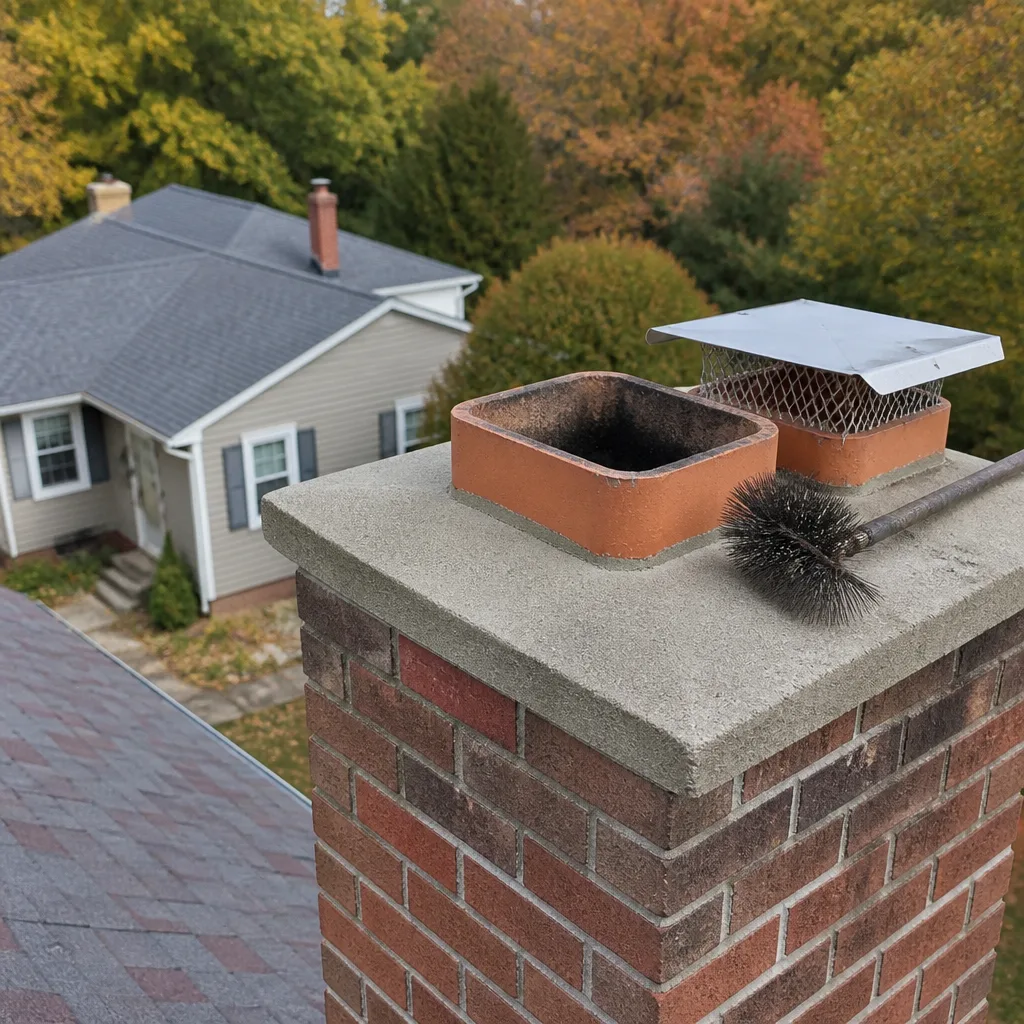 Sweep & inspection
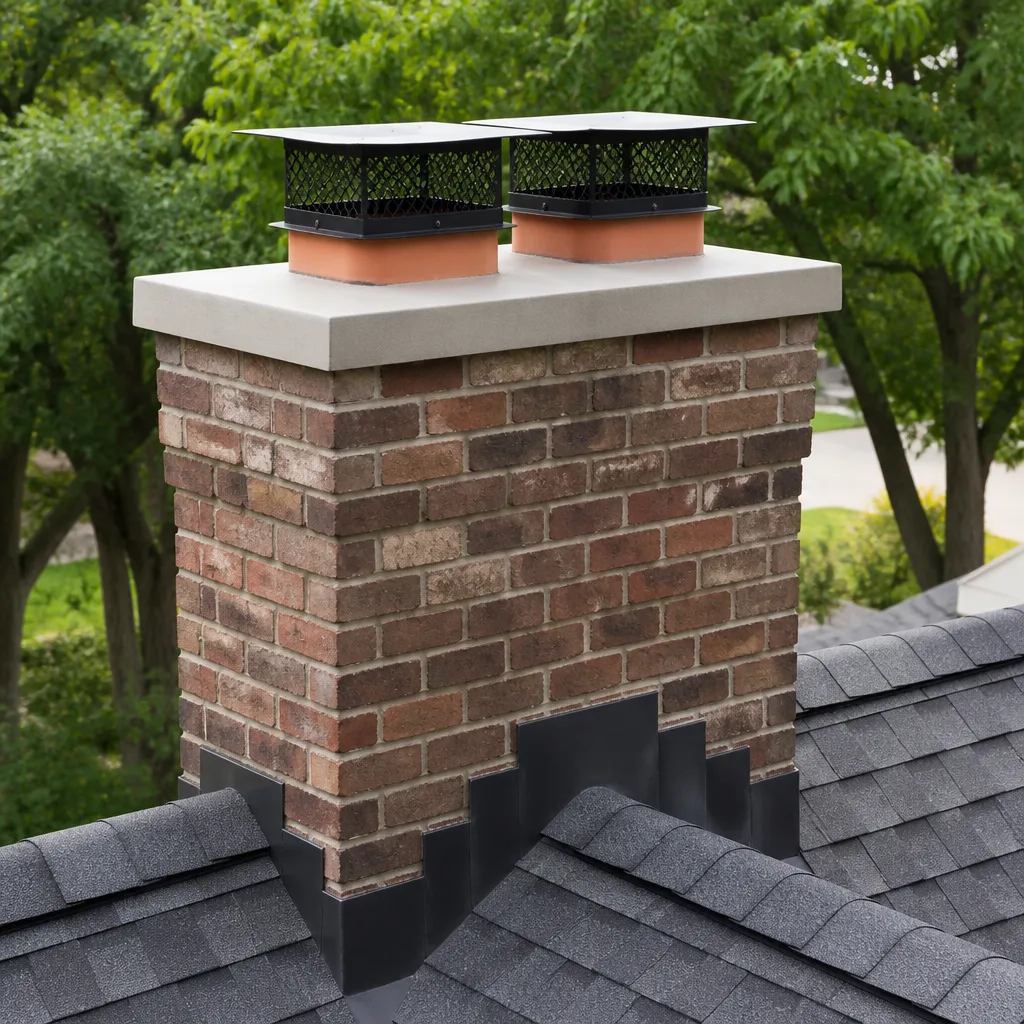 Caps & crowns
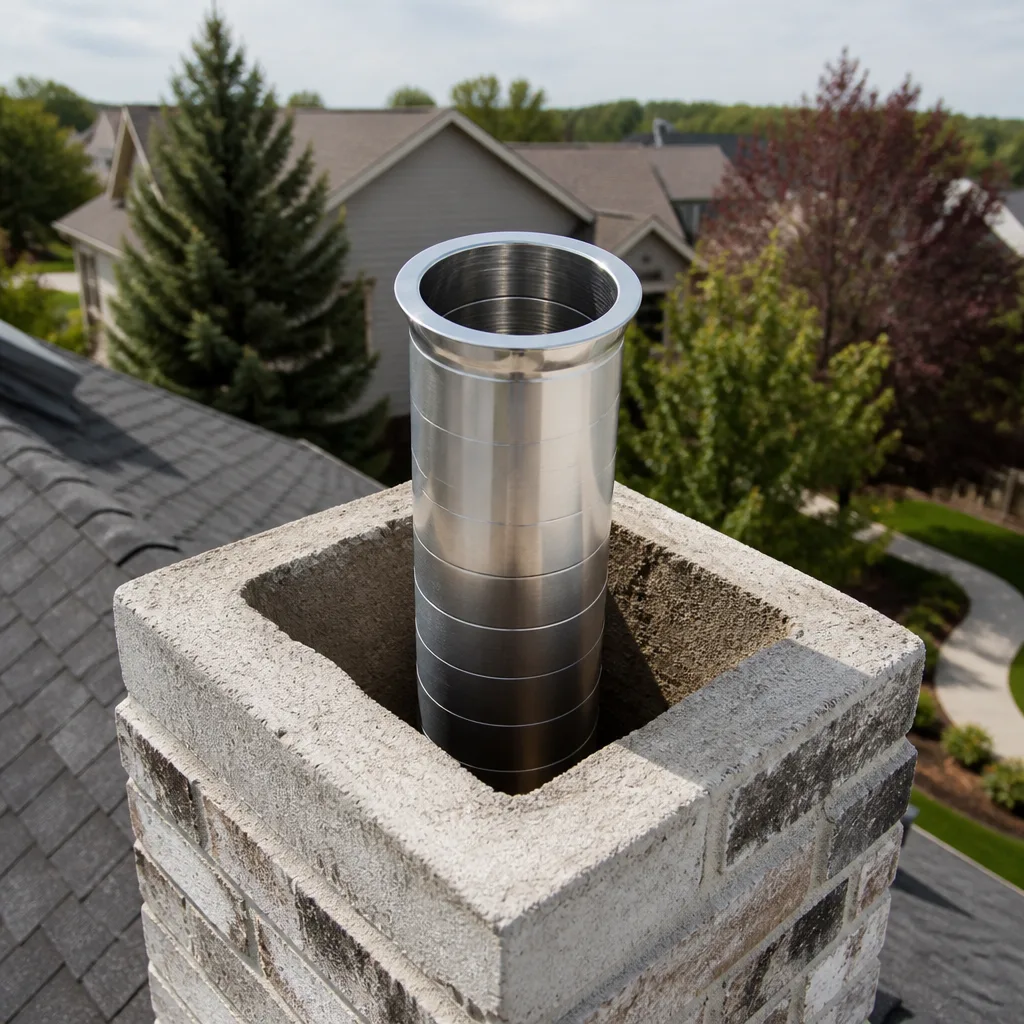 Flue relining
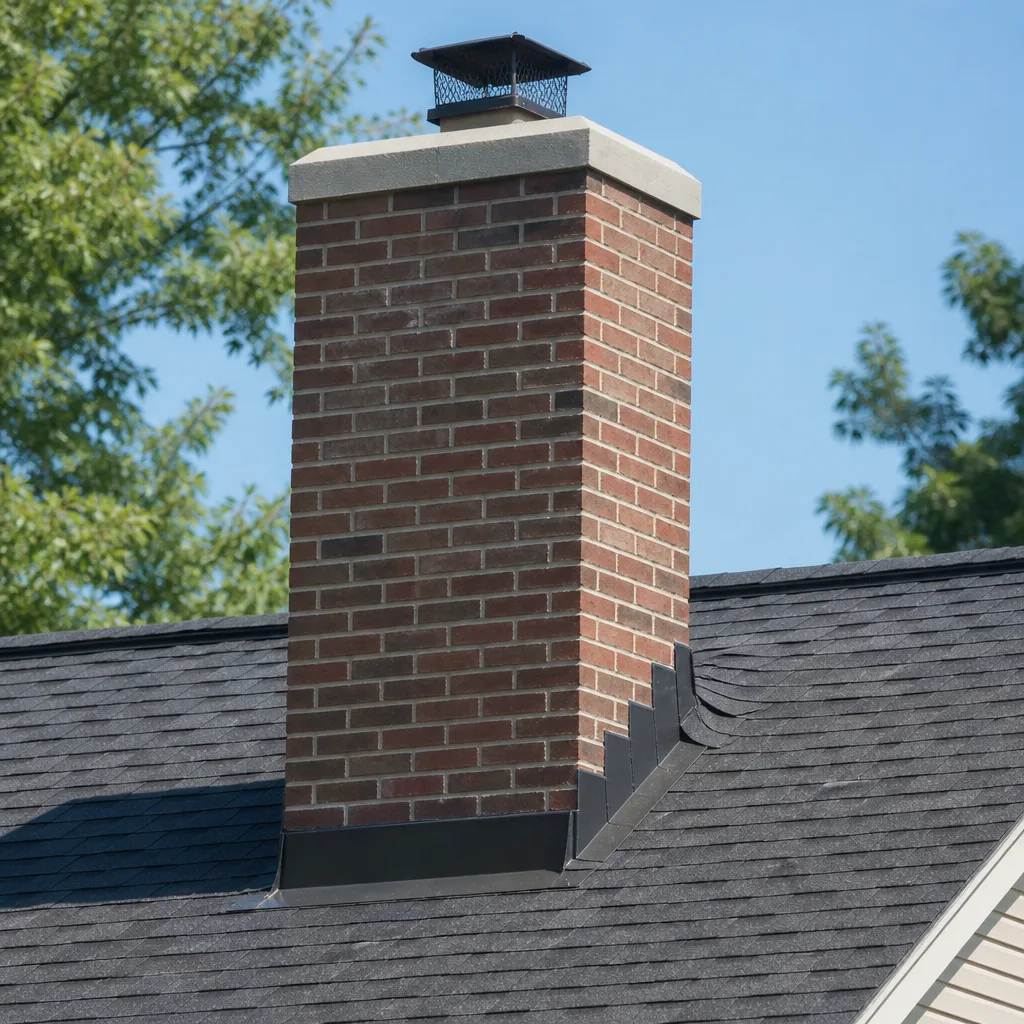 Masonry repair
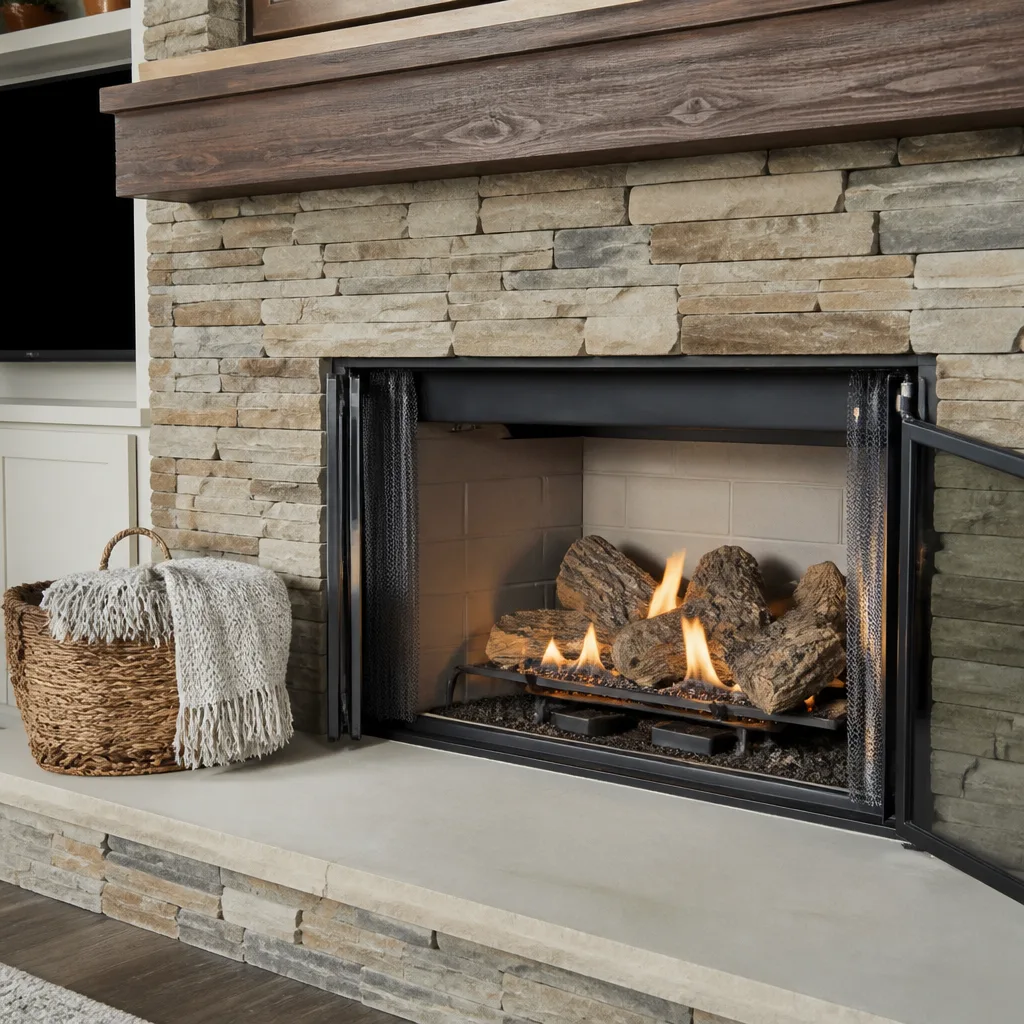 Gas fireplace service
Level 1 sweep and inspection to the NFPA 211 annual standard - flue, crown, cap, and flashing checked and photographed
Chimney sweep logs do not sweep chimneys. They loosen some creosote - which then falls where a brush and vacuum still have to collect it.
Chimney Cleaning Warning Signs: An Encinitas Homeowner’s Reference Guide
A chimney fire doesn’t always sound like an explosion. In a partially blocked or heavily coated flue, it can burn slowly for hours with no roaring sound and no visible flames licking from the roof, while temperatures inside the liner climb past 2,000°F and heat radiates through the flue wall into surrounding framing. By the time you notice something is wrong, the damage is often already done. This guide is for Encinitas homeowners who want to read those early signals correctly, before a fireplace that just seems “a little finicky” becomes a structural problem or a house fire. You’ll learn which warning signs mean you can schedule a routine Chimney Sweep in Encinitas, and which ones mean the fireplace needs to go cold immediately until a specialist inspects it.
Quick Answer
Chimney warning signs fall into four categories: draft problems (back-puffing, smoke spillage, hard-to-light fires), smells (creosote odor on humid days, acrid thermal-stress smells), visual indicators (spalling mortar, efflorescence, rust streaking, damper resistance), and sounds (crackling from inside the flue walls, popping after cooldown). Smoke entering the room, rust streaks, or any sound of debris falling inside the flue means stop using the fireplace immediately and call for an inspection. Creosote odor on humid days and mild back-puffing are earlier warnings that often allow for a scheduled cleaning and inspection, as outlined in our Chimney Sweep Maintenance Checklist for Encinitas Homeowners.
Styles & brands we work with
- Sweep & inspection
- Caps & crowns
- Flue relining
- Masonry repair
- Gas fireplace service
Table of Contents
- Draft-Based Warning Signs: What Back-Puffing Really Tells You
- Smell-Based Diagnostics: Three Smells That Mean Different Things
- Visual Indicators You Can Check Without Any Tools
- Sounds of Deterioration: What Settling Actually Doesn’t Sound Like
- Scheduled Cleaning vs. Immediate Shutdown: How to Tell the Difference
- Why Encinitas Homes Wear Differently
- What Happens During a Professional Inspection
- Common Mistakes to Avoid
- When to Call a Professional
Draft-Based Warning Signs: What Back-Puffing Really Tells You
A healthy chimney pulls combustion gases up and out with steady negative pressure. When that pull weakens or reverses, the fireplace starts fighting its own physics. The smoke has to go somewhere, and “somewhere” is often your living room. The pattern tells you more than the event itself.
Back-puffing is the most common draft complaint we encounter in Encinitas homes. It happens when a small puff of smoke exits the fireplace opening mid-burn, often right before a fresh log catches or when the fire is dying down. Homeowners tend to write it off as a gust of wind or a quirky fireplace. In reality, back-puffing occurs when the flue cannot establish enough velocity to overcome the air pressure inside the house. That low velocity is usually caused by one of three things: a partial blockage narrowing the flue passage, excessive creosote buildup roughening the flue walls and slowing gas flow, or a damper that is not opening fully because its linkage is corroded or warped – each covered in our Chimney Sweep Troubleshooting: Common Problems and How to Fix Them.
Smoke spillage into the room is back-puffing’s more serious cousin. This is not a small puff, but a sustained release of smoke into the living space when the fire is at full burn. In Encinitas, where many older coastal homes have been remodeled with tighter windows, upgraded insulation, and sealed crawlspaces, houses are more air-tight than they were when their fireplaces were built. A modern, tightly sealed house needs makeup air for the fire to draft properly. Without it, the chimney can actually reverse flow. But there is a difference between an air-balance issue and a flue problem, and the distinction matters. If the smoke spillage happens only when bathroom fans, range hoods, or the dryer are running, it is likely a house-pressure issue. If it happens regardless of what else is running, the flue itself is suspect: blockage, severe creosote loading, or a liner that has cracked enough to leak cool air into the flue and kill the draft.
Slow startup, where kindling takes a long time to catch and the fire struggles to establish itself, can also point to chimney problems rather than bad firewood. Cold, damp coastal air sits heavy in a flue overnight. A flue with heavy creosote deposits absorbs that moisture and cools even faster, making it harder for the initial upward draft to form. If you notice that fires are starting noticeably slower than they did when you first moved in, even with dry wood, the flue likely needs a cleaning and inspection.
Smell-Based Diagnostics: Three Smells That Mean Different Things
Your chimney talks to you through smell more than any other sense. The trick is knowing which smells are normal, which indicate buildup, and which indicate active material failure. Nose-level diagnostics are uniquely useful because many Encinitas homes use their fireplaces only seasonally, meaning smells are often the first signal after months of disuse.
Normal Wood Smoke Odor
A faint smoky smell in the fireplace room during the first minutes of a fire, or after the fire burns out, is expected. The chimney has been holding combustion residue, and some of that odor migrates into the house. This smell should be intermittent and mild. If a guest notices it when no fire has burned in days, that’s no longer the baseline. It means combustion deposits inside the flue are warm enough or moist enough to off-gas into the living space, and the flue is not containing them properly.
Creosote Smell on Humid Days
This is the one we hear about most often from Encinitas homeowners, and it is one of the most reliably diagnostic smells a chimney produces. When moisture in the air rises (think June gloom mornings, coastal fog, marine layer settling in), that damp air flows down the flue and interacts with creosote deposits on the flue walls. The result is a sharp, tar-like odor that seems to come from inside the fireplace even when no fire has been burned in weeks. This smell is not just unpleasant; it is direct evidence that creosote has accumulated to the point where it is actively off-gassing. In a clean chimney, humid air should pass through without producing any noticeable odor. If you smell creosote on humid days, the flue needs cleaning. Whether it also needs repair depends on how thick the deposits are and whether the liner has absorbed creosote into its seams, both of which a camera inspection reveals.
Acrid Thermal-Stress Smell
The third smell is different. It is a sharp, almost chemical odor that appears during a fire and can smell faintly like hot metal or burning paint. This smell indicates that something inside the chimney is being overheated beyond its intended range. In homes with clay tile liners, a cracked liner can let heat reach the surrounding masonry and framing, and the resulting heated materials produce their own distinctive odor. In homes with an improperly fitted connector from the appliance to the flue, hot gases can contact metal flashing or framing members. This is a thermal-stress signal: something is getting hot that should not be. If you smell it, stop using the fireplace immediately and schedule an inspection. This is not a cleaning issue; it is a potential fire-safety issue.
Visual Indicators You Can Check Without Any Tools
Some chimney warning signs are visible from the living room floor or from the sidewalk outside. You do not need to climb a ladder or handle any equipment to check these. What you are looking for is change over time: things that were not there last year, or surfaces that look different than they did the year before.
Spalling Firebox Mortar
Look at the mortar joints inside the firebox, particularly around the back wall and floor. If the mortar is flaking, crumbling, or falling out in small chunks, that is spalling, and it means moisture has been penetrating the masonry and expanding through freeze-thaw cycles or salt crystallization. In Encinitas’s coastal air, salt exposure accelerates this process on masonry that faces the prevailing breeze. Spalling firebox mortar is a progressive condition: a little crumbling at the edges becomes larger voids, which allow heat to reach the brick structure behind the firebrick liner. The firebox is the only layer between your fire and the wooden framing of the house. Losing mortar integrity there is a repair issue, not a cosmetic one.
White Efflorescence on the Exterior Chase
Efflorescence is that white, chalky deposit that appears on brick or stone exteriors. It forms when water moves through masonry and carries dissolved salts to the surface. The water evaporates, the salts stay, and the white stain remains. On a chimney exterior, efflorescence tells you that water is entering the masonry structure and moving through it. The source is usually a failed chimney cap, cracked crown mortar, or deteriorated flashing where the chimney meets the roofline. In Encinitas, where winter rains and marine-layer condensation alternate with dry sun, this wet-dry cycling is relentless. Efflorescence is not just a stain. It is a record of water intrusion, and repeated water intrusion breaks down flue liners, mortar joints, and eventually the structure of the chimney itself.
Rust Streaking from the Cap
Stand on the street and look at the top of the chimney. If you see reddish-brown streaks running down from the cap or staining the brick or stucco below the crown, the cap or the crown flashing is rusting. A rusting cap means the metal protecting the top of the flue from rain and animal entry is failing. Once the cap is compromised, water enters the flue directly, which accelerates creosote breakdown, worsens rust on dampers, and can damage gas appliance components in a firebox. Rust streaking is a visual cue that the top of the chimney needs attention, and it does not fix itself.
Damper Handle Resistance
Reach for the damper handle and open and close it. If it has become noticeably harder to operate over the years, if it sticks at a certain point in its travel, or if it no longer seats fully when closed, the damper mechanism is deteriorating. Warped damper plates are usually the result of heat cycling, moisture exposure, or both. A damper that cannot close fully allows conditioned indoor air to escape the house year-round and, more importantly, allows humid Encinitas air to flow down the flue whenever the furnace or AC runs. A damper that cannot open fully restricts draft and contributes to the back-puffing and slow-startup issues we discussed earlier. Either failure is worth correcting.
Sounds of Deterioration: What Settling Actually Doesn’t Sound Like
Homes settle. They creak and pop as materials expand and contract with temperature changes. But certain sounds coming from inside the chimney structure during or after a fire are not settling. They are material failure signals, and the difference is audible if you know what to listen for.
Crackling from Inside the Flue Walls
A healthy fire crackles. Wood pops, sap sizzles, and logs shift as they burn. That is normal, and it comes from the fire itself. What is not normal is a crackling or ticking sound that comes from behind the firebox walls or from inside the chimney structure above the fire. When a clay tile flue liner cracks under thermal stress, the crack expands as the liner heats up and contracts as it cools. That expansion and contraction produces a sharp ticking or crackling sound that is often barely audible over the fire itself but can be heard clearly as the fire is dying down and the room quiets. In some cases, homeowners describe hearing small pieces of material falling inside the chimney after a fire burns out. That is often spalled liner material or dislodged creosote, and it means the flue’s internal structure is actively shedding material. This is one of the clearest immediate-shutdown signals there is.
Popping After Cooldown
A single pop or two after the fire burns out is usually just metal and masonry contracting at different rates. But repeated popping, or popping that happens throughout the evening after a fire, can indicate that the flue liner is cracked and shifting. The larger the crack, the more movement occurs as temperatures normalize. This is especially worth investigating in older Encinitas homes with original clay tile liners, because those liners were not designed to handle the thermal cycling of intermittent fireplace use plus decades of coastal moisture. We have opened chimneys in Encinitas where the liner was cracked in multiple places and the only warning the homeowner had was a pattern of popping sounds they had been attributing to the house settling for years.
Rattling or Vibration
If the chimney cap or spark arrestor is loose, it will rattle when coastal winds gust. Encinitas gets consistent afternoon breezes off the Pacific, especially in neighborhoods west of I-5. A loose cap lets rain and birds enter the flue, and the constant motion can also wear away the metal around the cap mount. A rattling chimney cap is not an emergency, but it is a signal that the top of the chimney needs attention before the next rainy season.
Scheduled Cleaning vs. Immediate Shutdown: How to Tell the Difference
One of the most useful distinctions a homeowner can make is between a problem that allows for a scheduled appointment and one that means the fireplace should not be used again until a professional inspects it. The framework is straightforward: if the warning sign indicates an active integrity failure or a blockage, shut it down. If it indicates buildup or early moisture intrusion, a scheduled cleaning and inspection is appropriate.
Signs That Allow a Scheduled Cleaning (But Not Long Delay)
- Creosote odor on humid days without other symptoms. This means buildup exists, but the flue is still functioning well enough to draft. Schedule a Chimney Cleaning Encinitas home service call before the next burn season.
- Mild back-puffing that happens rarely. If it occurs a few times per season and the damper opens fully, a cleaning and inspection is the right next step.
- Slow startup with dry wood. This suggests creosote loading is reducing draft, but the system is still safe enough for a scheduled service.
- White efflorescence without structural cracking. Water intrusion is happening, but if the exterior masonry is sound, this can be addressed with a cap, crown, or flashing repair at the next service.
- Damper handle resistance without smoke spillage. The damper is degrading, but if fires still draft normally, a replacement can be scheduled.
Signs That Require Immediate Shutdown
- Sustained smoke spillage into the room during normal burning. Shut the fireplace down and do not use it again until the flue is camera-inspected. This indicates a blockage, severe creosote restriction, or a liner failure, any of which creates a carbon monoxide and fire risk.
- Acrid thermal-stress smell during a fire. Something is overheating. Stop burning and have the chimney inspected before the next fire.
- Debris falling inside the flue. If material is coming loose inside the chimney, the liner or mortar is actively shedding. Do not burn again until it has been assessed.
- Rust streaking from the cap combined with visible flue damage. If the cap has failed and the flue shows signs of water damage, stop using the fireplace until repairs are made.
- Popping or crackling sounds from inside the flue during cooldown. A cracked liner is likely. Thermal stress will worsen the crack every time the fireplace is used.
The cost of an inspection is a fraction of what a liner replacement or a structural repair costs. When in doubt, stop using the fireplace and have it checked. A camera inspection is the only way to see what is happening inside the flue, and nothing else substitutes for it.
Why Encinitas Homes Wear Differently
Encinitas sits in a coastal marine climate zone, and that means chimneys here experience conditions that inland chimneys do not. The combination of salt-laden air, persistent marine-layer moisture, and warm daytime sun creates a specific wear pattern on masonry and metal chimney components.
Salt accelerates corrosion on metal components. Chimney caps, dampers, and flashing in Encinitas homes, especially those west of I-5 or within a mile of the coast, corrode faster than the same components would in Escondido or Poway. This is documented behavior for masonry chimneys in coastal environments: salt crystals penetrate the surface of brick and mortar, then expand during wet-dry cycling, contributing to spalling and efflorescence.
The marine layer also means that moisture enters chimneys from the top even during dry weather. A foggy Encinitas morning pushes humid air up and over the coast, and that air flows down open flues and through gaps in damaged chimney caps. The flue interior sees more moisture exposure than you would expect based on rainfall alone. This is part of why creosote odor on humid days is such a common complaint in this area: the moisture hits accumulated creosote and releases the smell, even when no fire has burned recently.
Homes built in Encinitas before the 1980s often have clay tile flue liners rather than stainless steel. Clay liners crack under thermal cycling, especially when moisture is present. Once a clay liner cracks, the flue no longer contains combustion gases or heat the way it should. If your home was built with a clay liner and the fireplace is original, a professional inspection is the only way to assess the liner’s current condition. If the liner shows signs of cracking, products like HeatShield chimney resurfacing or a DuraFlex stainless steel liner system can restore full functionality without a full chimney rebuild.
What Happens During a Professional Inspection
When an Encinitas homeowner calls us about any of the warning signs in this guide, the first step is almost always a level two inspection. This is a camera inspection: a specialized camera is sent through the entire length of the flue, from the firebox to the top of the chimney, while the technician watches the feed in real time and records it. The footage shows the condition of the flue liner, the amount and location of creosote buildup, any blockages, and any gaps or cracks in the masonry structure.
Here is what the process looks like step by step:
- The technician begins at the roof. The cap, crown, flashing, and exterior masonry are inspected for rust, cracks, gaps, and signs of water intrusion.
- The firebox and damper are assessed. The technician checks for spalling, cracks, damper operation, and any signs of heat damage or improper clearances.
- The camera is sent through the flue. This is where liner cracks, hidden creosote buildup, and blockages are revealed. The homeowner is shown the footage so they can see exactly what the technician sees.
- Findings are explained in plain language. If the chimney simply needs cleaning, the technician says so and can often complete a sweep during the same visit. If repair is needed, the technician explains what is wrong, what the options are, and what can safely wait.
One thing we insist on: no one at our company recommends a repair without showing you the footage that justifies it. If you are told you need a new liner or a resurfacing, you should be able to see the crack or the corrosion on screen. We work with Copperfield and Olympia Chimney components – brands we detail in our guide to Choosing the Right Chimney Cleaning Brand: A Buyer’s Guide for Encinitas – because professional-grade materials fit correctly and last, and because using them means the repair we recommend is the repair we can stand behind.
Common Mistakes to Avoid
- Assuming a quiet chimney fire is not happening. Slow, contained chimney fires can burn for hours without visible signs from outside. If any warning sign in this guide is present, especially smoke spillage or acrid smells, treat it as urgent.
- Burning pine and cardboard to save money. Encinitas homeowners near the coast often burn whatever is handy, but soft woods and cardboard create dense creosote deposits quickly, especially in a flue that is already dirty.
- Dismissing creosote odor as “just how fireplaces smell.” A clean chimney does not produce noticeable odor on humid days. That smell is direct evidence of buildup.
- Ignoring efflorescence because it is cosmetic. The white deposit is a water-intrusion record. Water is moving through your chimney masonry, and that movement causes structural deterioration over time.
- Relying on chimney cleaning logs. These products can loosen surface deposits in some cases, but they cannot remove the hardened third-degree creosote that causes most chimney fires, and they cannot tell you whether your liner is cracked or your cap is rusted through.
- Assuming a gas fireplace does not need an inspection. Gas hearth systems still have venting that can corrode, block, or leak combustion gases into the home. Annual inspection of gas fireplace venting is part of a complete fire safety plan.
- Putting off a damper repair because the fireplace is rarely used. A damper that cannot close lets humid marine air into the flue year-round, accelerating deterioration of flue components even when no fire burns.
When to Call a Professional
If you have experienced any of the immediate-shutdown signals in this guide – sustained smoke spillage, acrid smells during a fire, debris falling in the flue, or crackling from inside the flue walls – stop using the fireplace and schedule an inspection before the next fire. The same applies if you have seen rust streaking, significant efflorescence, or spalling firebox mortar. A chimney system is not a single component; it is a connected path for heat and combustion gases, and a failure anywhere in that path puts the house at risk. Chimney Cleaning Encinitas offers free estimates in Encinitas. Call (866) 282-6347 to schedule a camera inspection and get a clear picture of what is happening inside your flue.
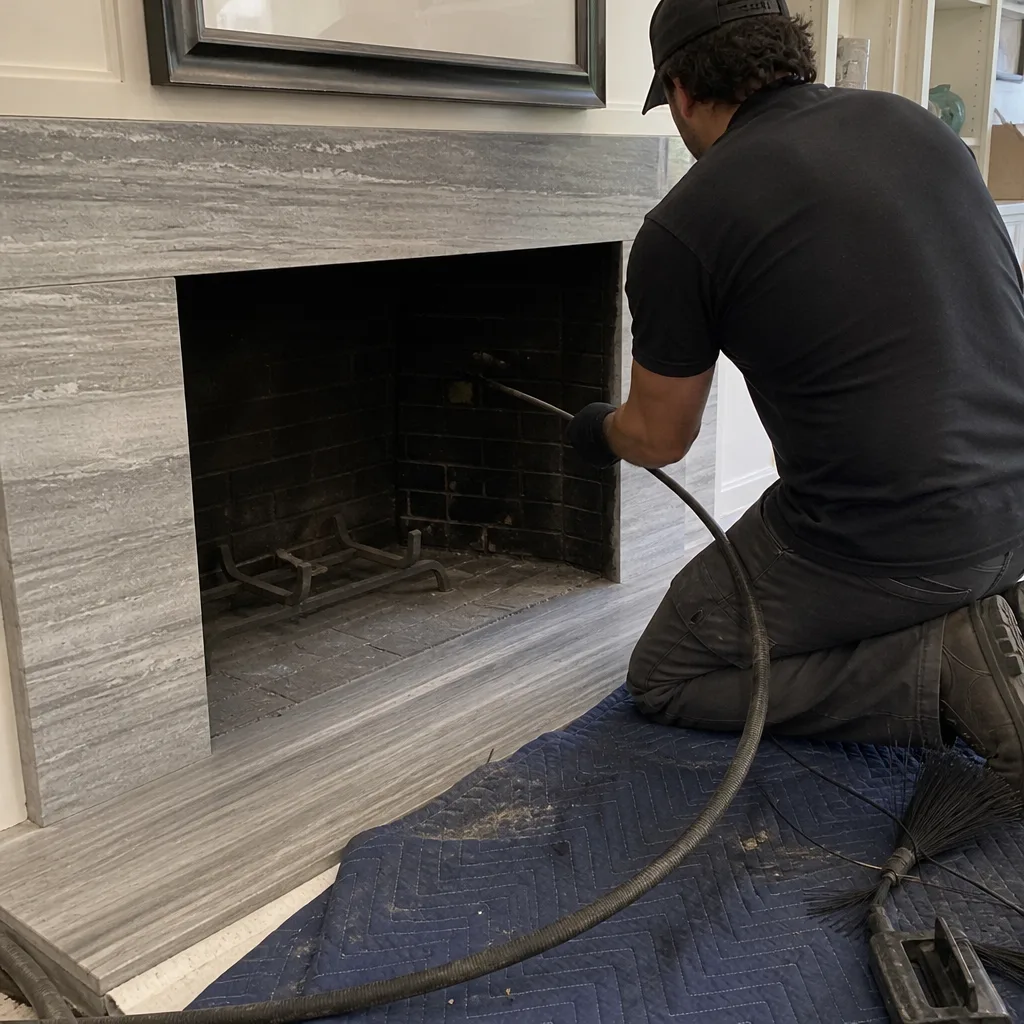
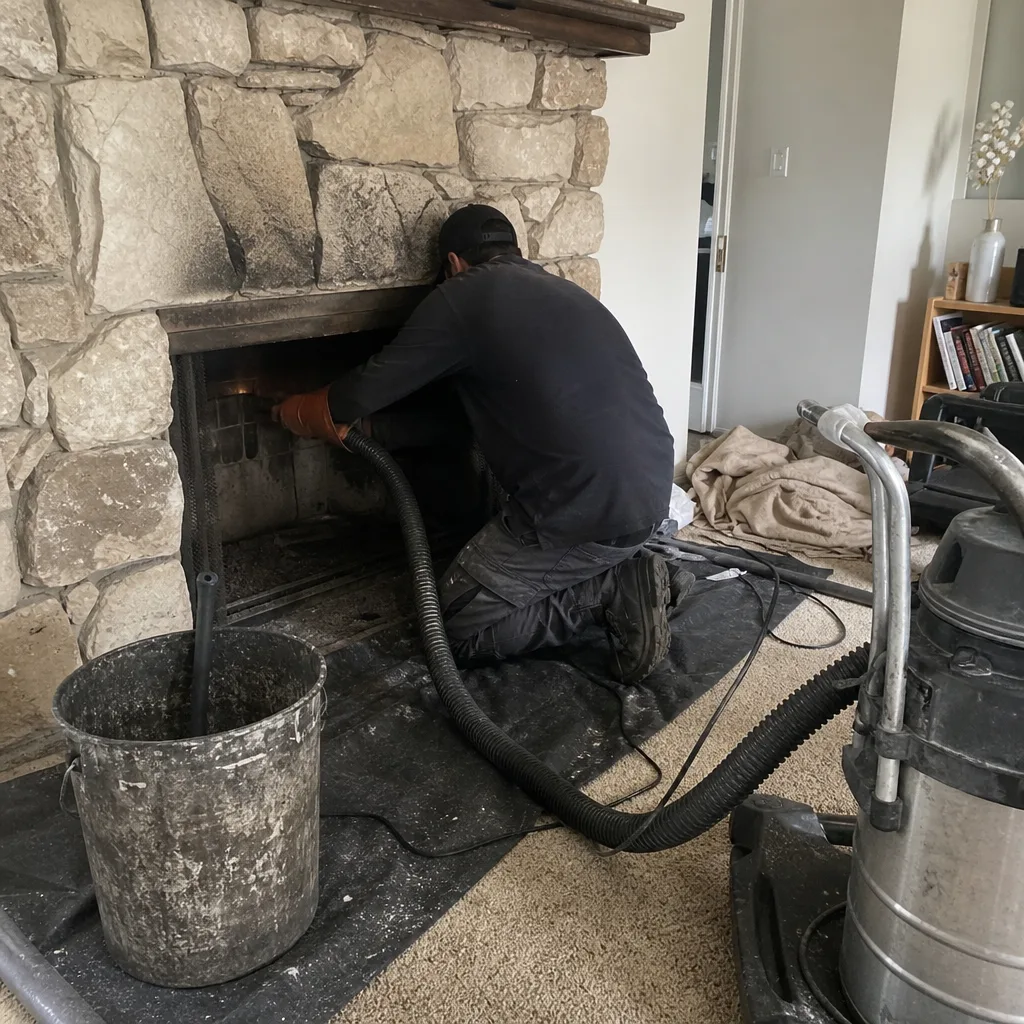
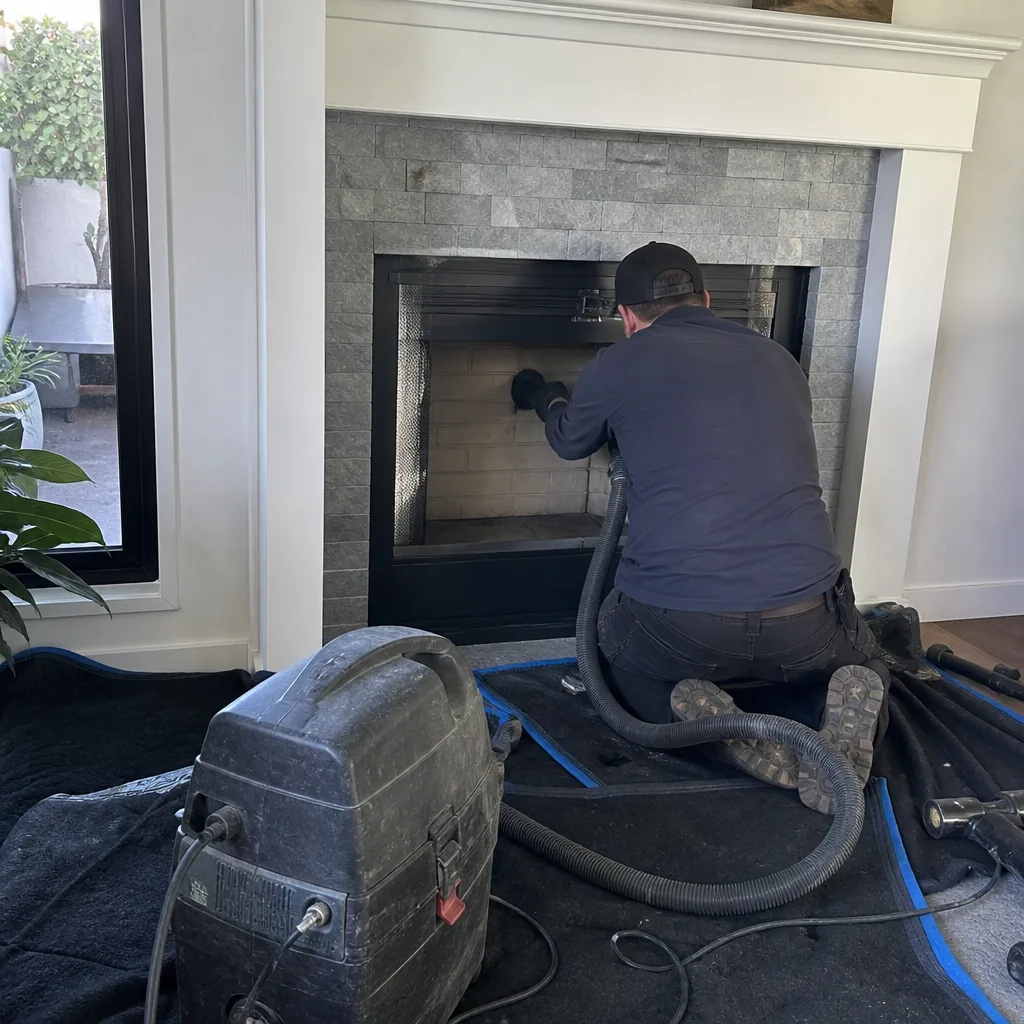
See the difference
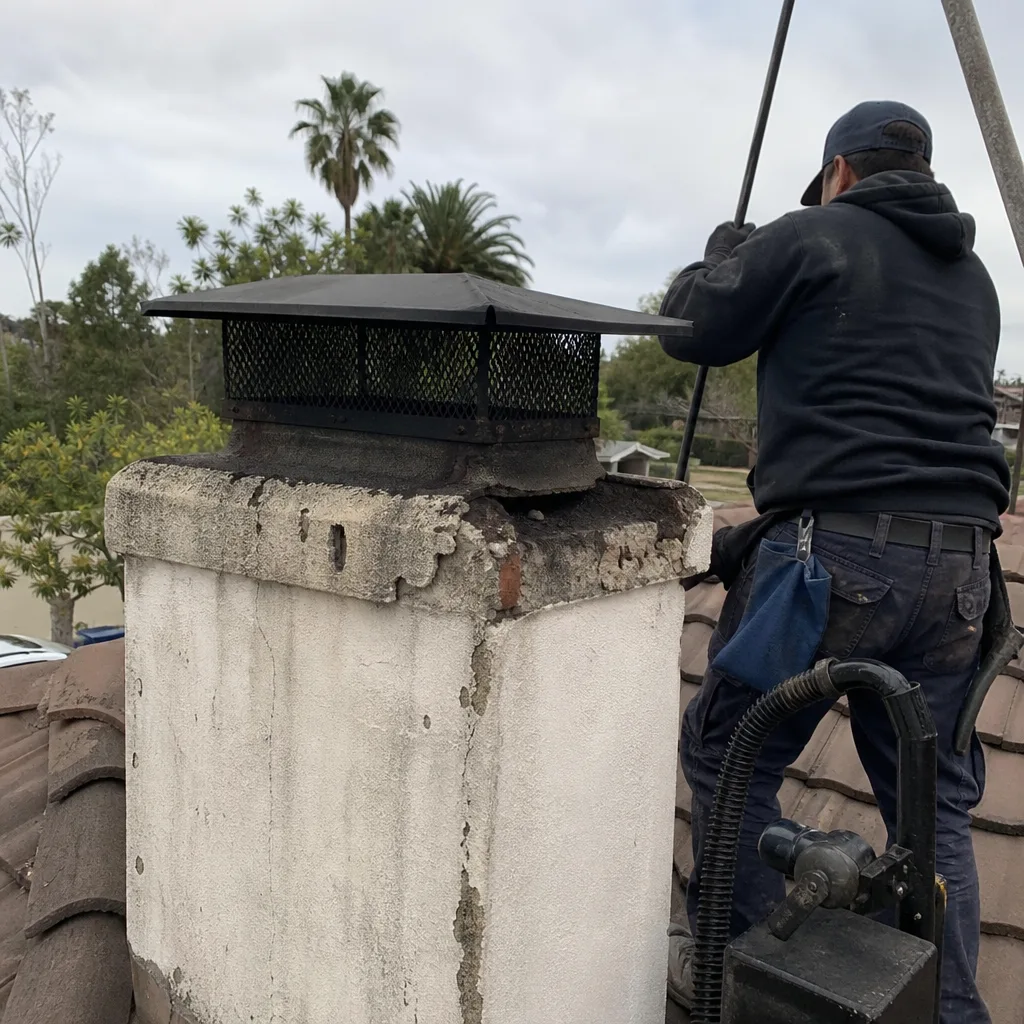 Before
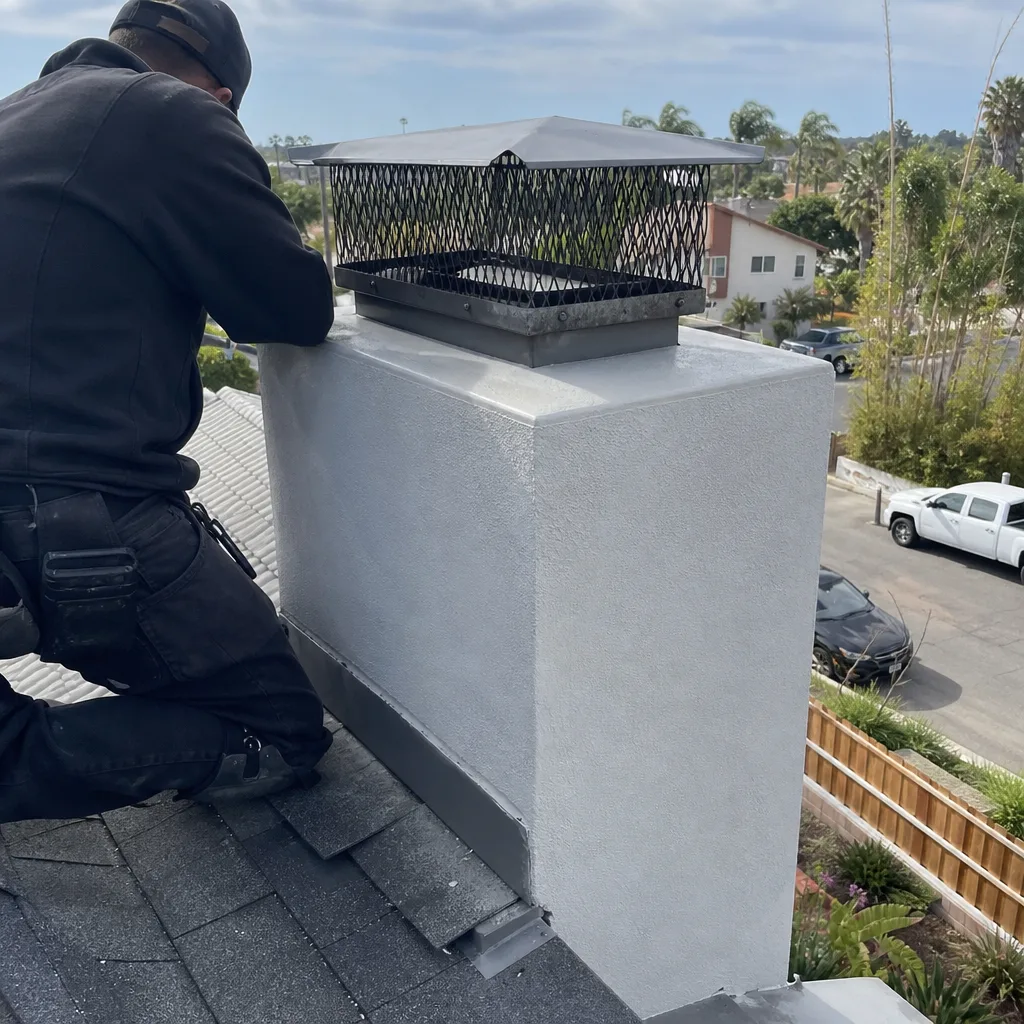 After
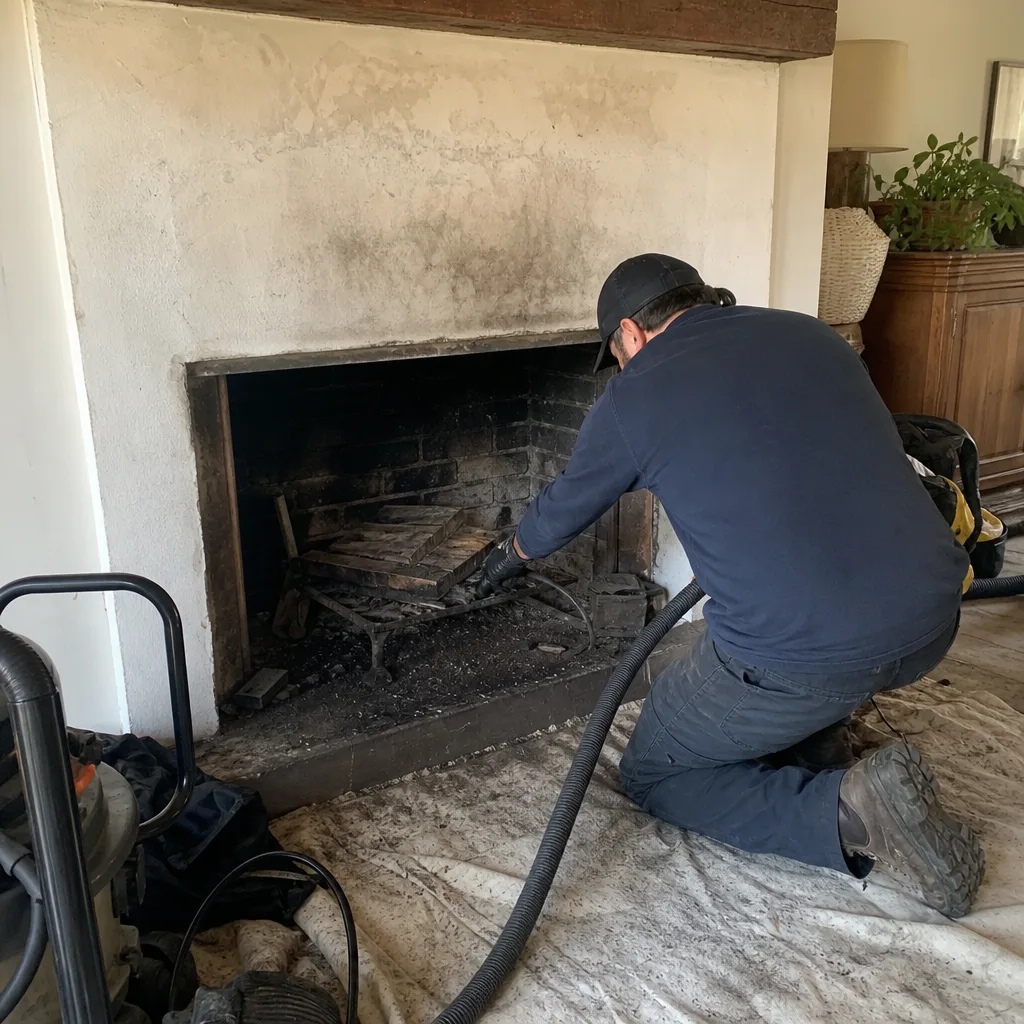 Before
 After
 Before
 After
Frequently Asked Questions
A standard chimney sweeping in Encinitas typically costs between $175 and $350 for a single fireplace with average creosote buildup, depending on flue height and accessibility. If a camera inspection is added, expect $100 to $200 more. A cleaning that reveals the need for a liner repair or HeatShield resurfacing moves into repair pricing, which is quoted after the technician shows you the camera findings. Call (866) 282-6347 for an exact quote – estimates are free, and no repair is ever recommended without footage you can verify.
The National Fire Protection Association recommends a chimney inspection at least once a year, and a sweep whenever creosote deposits reach 1/8 inch thickness. For Encinitas homeowners who burn wood fires regularly during fall and winter, an annual sweep is the practical standard. If you burn soft woods, use the fireplace more than a few times per week, or notice creosote odor on humid days, two sweeps per year may be warranted.
A cracked clay liner is a genuine fire-safety hazard, because it allows heat and combustion gases to reach the masonry and framing around the flue. However, a full liner replacement is not the only option. HeatShield resurfacing can repair certain liner cracks by restoring the liner surface to a smooth, heat-resistant condition without tearing out the original structure. Your technician should show you the camera footage of the crack and explain the repair options before you decide. If a repair is not appropriate, a DuraFlex stainless steel liner is the professional-grade replacement we use.
Creosote accumulates, draft performance declines, and the flue passage narrows. Over time, a thick creosote layer becomes a fuel source inside the chimney, and a single hot fire can ignite it. The resulting chimney fire can burn at temperatures above 2,000°F, cracking the liner, damaging the masonry, and in the worst cases transferring enough heat to ignite surrounding framing. Skipping cleaning also means skipping the inspection that catches rusted caps, cracked liners, and water intrusion before those problems require expensive repairs. Call (866) 282-6347 to schedule a cleaning and inspection; most standard sweeps take under two hours.
Yes. Clogged dryer vents are one of the leading causes of residential fires in the US. Lint accumulation restricts airflow, which causes the dryer to overheat and can ignite the lint itself. Many Encinitas homeowners do not realize their dryer vent needs the same kind of attention as their chimney. We offer Dryer Vent Cleaning in Encinitas as part of our core service because both systems move hot, particle-laden air out of the house, and both fail silently when neglected.
In many cases, yes. Because we are a Chimney Repair in Encinitas company and not a cleaning-only service, our technicians can diagnose and repair liner, mortar, damper, cap, and flashing problems during the same visit. Some repairs, such as HeatShield resurfacing or full liner installation, may require a second visit for material preparation. The majority of routine issues we find during inspections are corrected before we leave the property. Call (866) 282-6347 to discuss your situation.
The Bottom Line
Chimney warning signs are rarely dramatic, and that is exactly why they get missed. A faint smell on a foggy morning, a small puff of smoke, a pop after the fire dies down: these are quiet signals that something inside the flue has changed. Encinitas homes face specific wear patterns from salt air, marine-layer moisture, and decades-old clay liners, and those patterns accelerate when the chimney is used without annual inspection and cleaning. Reading the signals accurately means the difference between a scheduled sweep and a repair that costs far more, as explored across more guides & resources on our blog. The system will tell you. The goal is listening before it has to shout.
Written by the team at Chimney Cleaning Encinitas, serving Encinitas since 2012.